

Now Reading: NDRI Develops Technology to Extend Paneer Shelf Life to 21 Days
-
01
NDRI Develops Technology to Extend Paneer Shelf Life to 21 Days

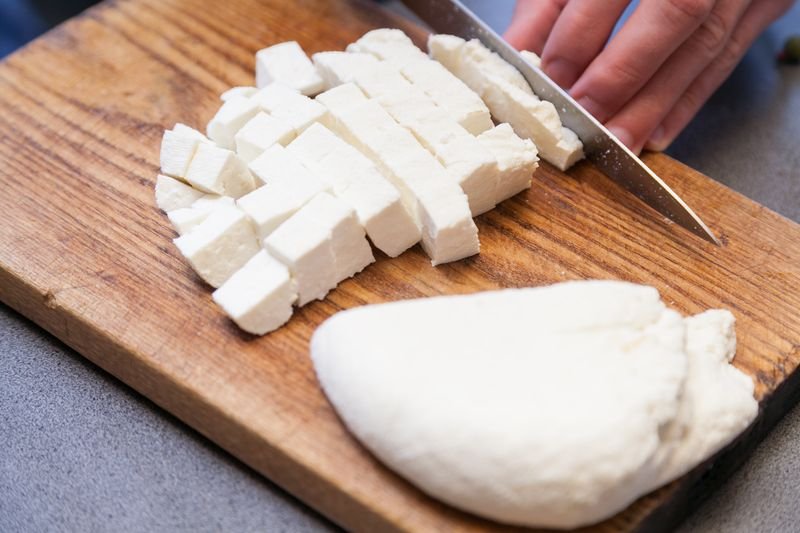
CAR–NDRI Karnal has developed a patented technology that could extend paneer shelf life from the usual 8–10 days to around 20–21 days.
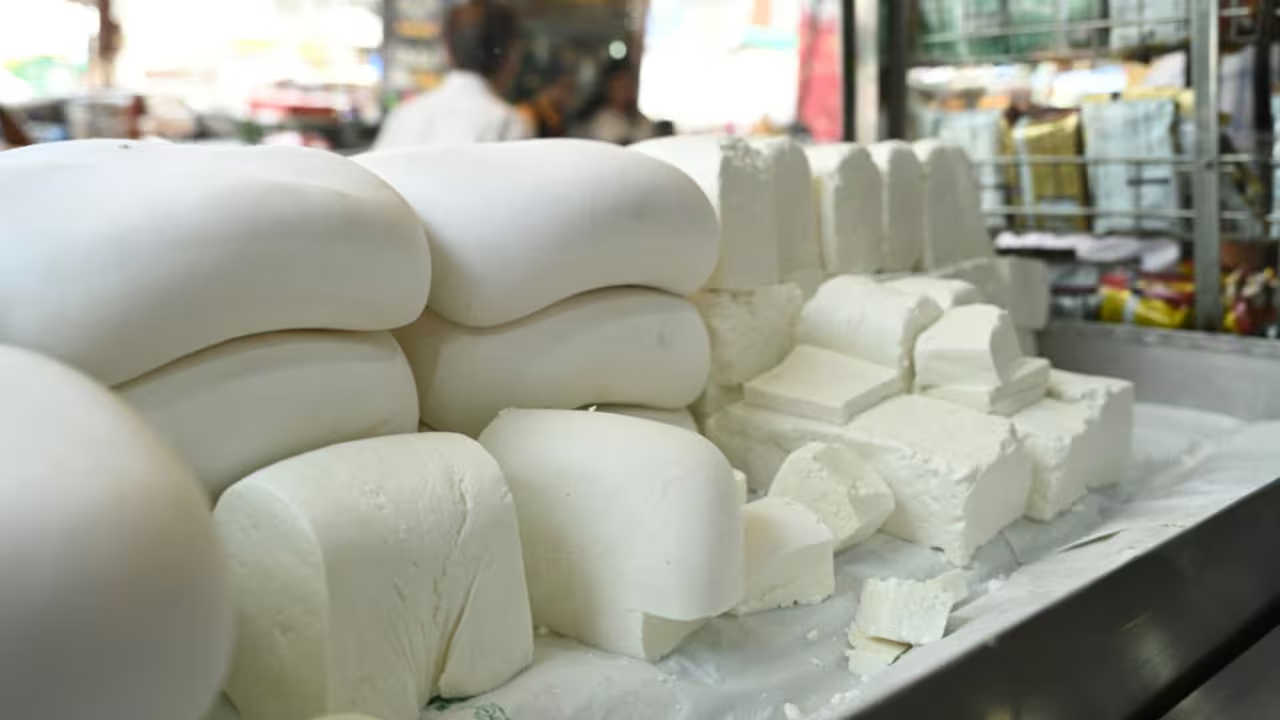
Paneer shelf life could soon increase from the usual 8–10 days to around 20–21 days, thanks to a new patented technology developed by scientists at ICAR–National Dairy Research Institute (NDRI), Karnal.
The technology uses an Antimicrobial Coagulant Formulation (AMCF) designed to improve the storage stability and microbial quality of paneer while maintaining its taste, texture and overall quality.
The development could be important for India’s dairy industry, where the short shelf life of fresh paneer can create challenges for transportation, storage and wider distribution.
NDRI Develops New Paneer Technology to Extend Paneer Shelf Life
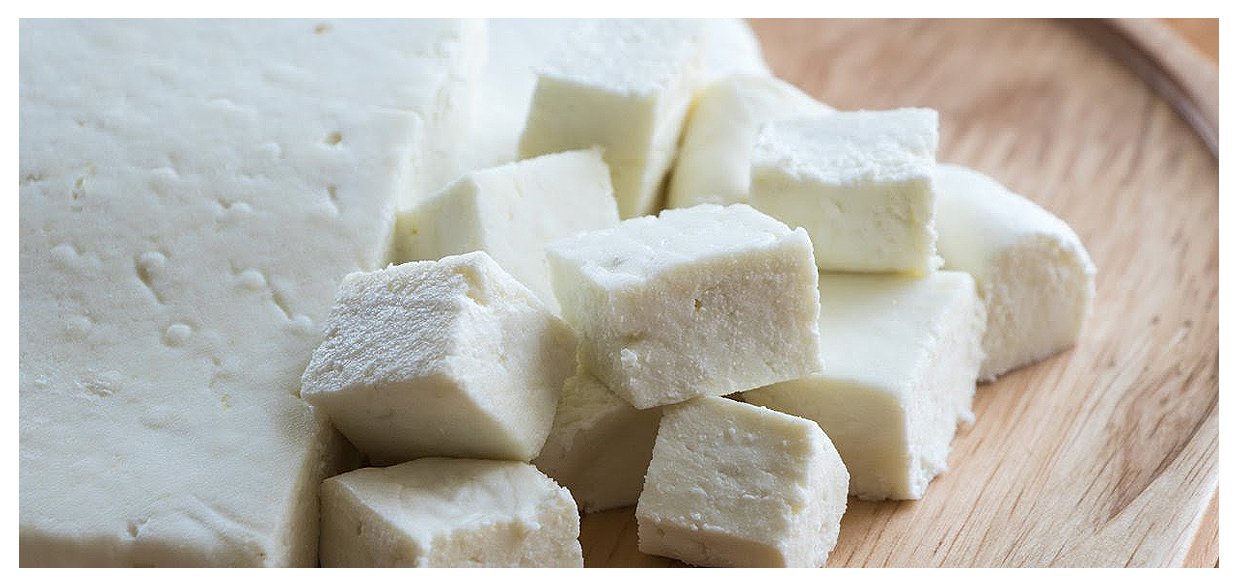
Technology has been developed by Dr. Pradip Vishnu Behare, Senior Scientist in the Dairy Microbiology Division at ICAR–NDRI, along with his research team worked on the formulation for nearly eight to nine years. AMCF combines coagulating and antimicrobial properties. It can be used during paneer manufacturing and can also be applied through a dipping treatment. Research carried out by the team has shown improvements in paneer’s shelf life and microbial quality, while retaining the product’s desirable characteristics.
Fresh paneer has traditionally had a limited storage life, making quick transportation and sale important for dairy businesses. Extending Paneer Shelf Life to around 20–21 days could give manufacturers and sellers more flexibility. For dairy processors, the technology could potentially help with:
- Longer-distance transportation
- Wider market distribution
- Lower product wastage
- Better inventory management
- Greater value addition
It could also create new opportunities for small-scale dairy entrepreneurs who want to manufacture and market paneer beyond their immediate local markets.
Extend Paneer Shelf Life Technology Could Help Reduce Dairy Waste
Food wastage is a major challenge across dairy supply chains. Products with short shelf lives require faster movement from production facilities to consumers. A longer-lasting paneer product could reduce the pressure on this supply chain.
For businesses, even a few additional days can make a difference in transportation and retail planning. A shelf life of around three weeks could potentially make paneer distribution across longer distances more commercially practical.
However, actual shelf life will still depend on factors such as manufacturing practices, packaging, storage conditions and temperature control.
NDRI Paneer Technology Ready for Commercialisation
According to ICAR NDRI Karnal, paneer shelf life technology is now ready for commercialisation and could be adopted by dairy processors and entrepreneurs. Institute’s Director, Dr. Dheer Singh, said the extended shelf life could provide greater flexibility in paneer handling, transportation and marketing while supporting wider access to good-quality paneer.
NDRI paneer technology potential beyond the laboratory. Its commercial adoption could influence how paneer is produced, transported and sold across different markets.
What This Means for India’s Dairy Industry
Paneer is an important value-added dairy product in India, but its short shelf life has been one of the challenges for businesses looking to expand distribution. ICAR NDRI Karnal, NDRI paneer technology could help address part of that challenge. If adopted commercially, the development could support dairy businesses by reducing spoilage, improving distribution and creating opportunities to reach markets located farther from production centres.
For India’s growing dairy sector, developments like this show how research and technology can turn traditional dairy products into more scalable businesses. Next step will be seeing how quickly the technology moves into commercial dairy production and how widely dairy companies and entrepreneurs adopt it.






Pingback: Dairy News India: Haryana Cracks Down on Fake Paneer & Ghee