
Now Reading: Is Your Paneer Real or Fake? 5 Simple Home Tests to Check Purity
-
01
Is Your Paneer Real or Fake? 5 Simple Home Tests to Check Purity

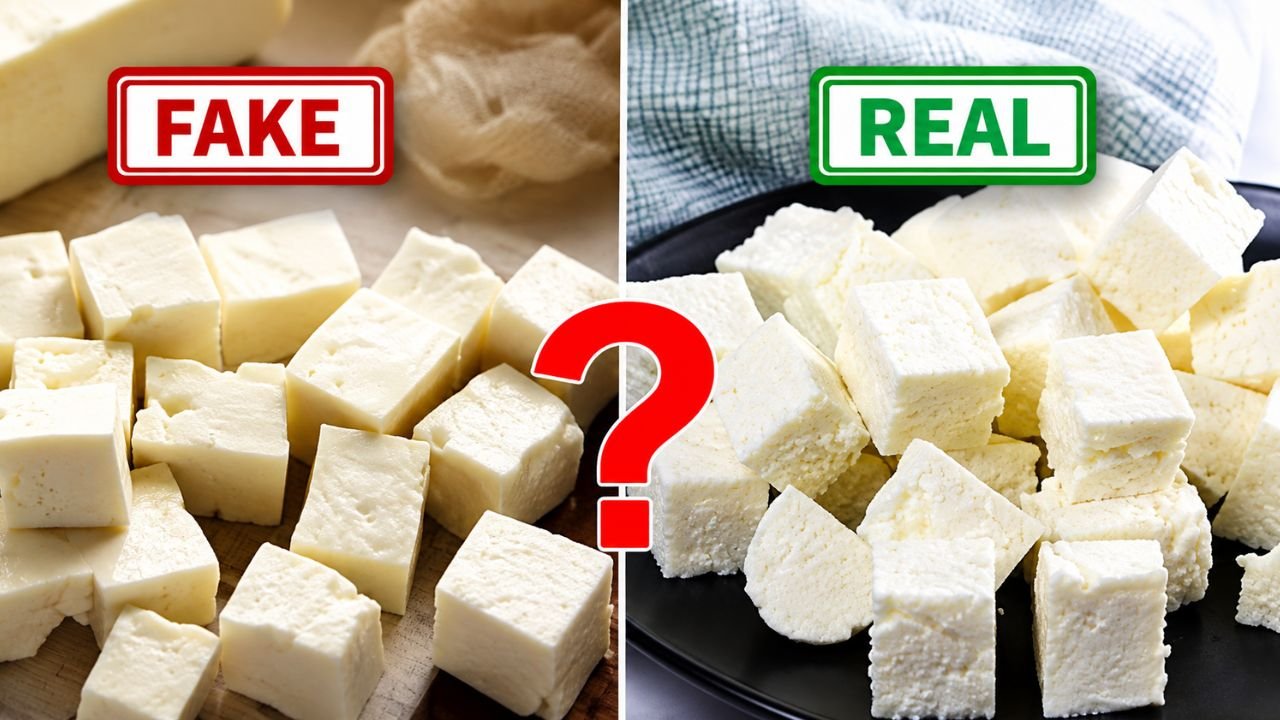
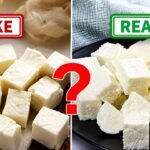
You can quickly learn how to check real paneer vs fake paneer at home by doing a simple fake paneer test using a drop of iodine, which turns duplicate paneer blue or black. Real paneer is made using clean, pure milk, so it feels very soft. Fake or synthetic paneer is made by mixing cheap components like starch, detergent, urea, and bad vegetable oils that can make your family very sick.
Many people buy loose paneer from local markets because it is cheap. But nowadays, duplicate paneer looks exactly like real milk paneer. If you want to know how to identify pure paneer before feeding it to your children, you do not need a laboratory.
Here are the 5 easy ways to do a synthetic paneer test at home using everyday kitchen items.
5 Easy Ways to Test Your Paneer at Home
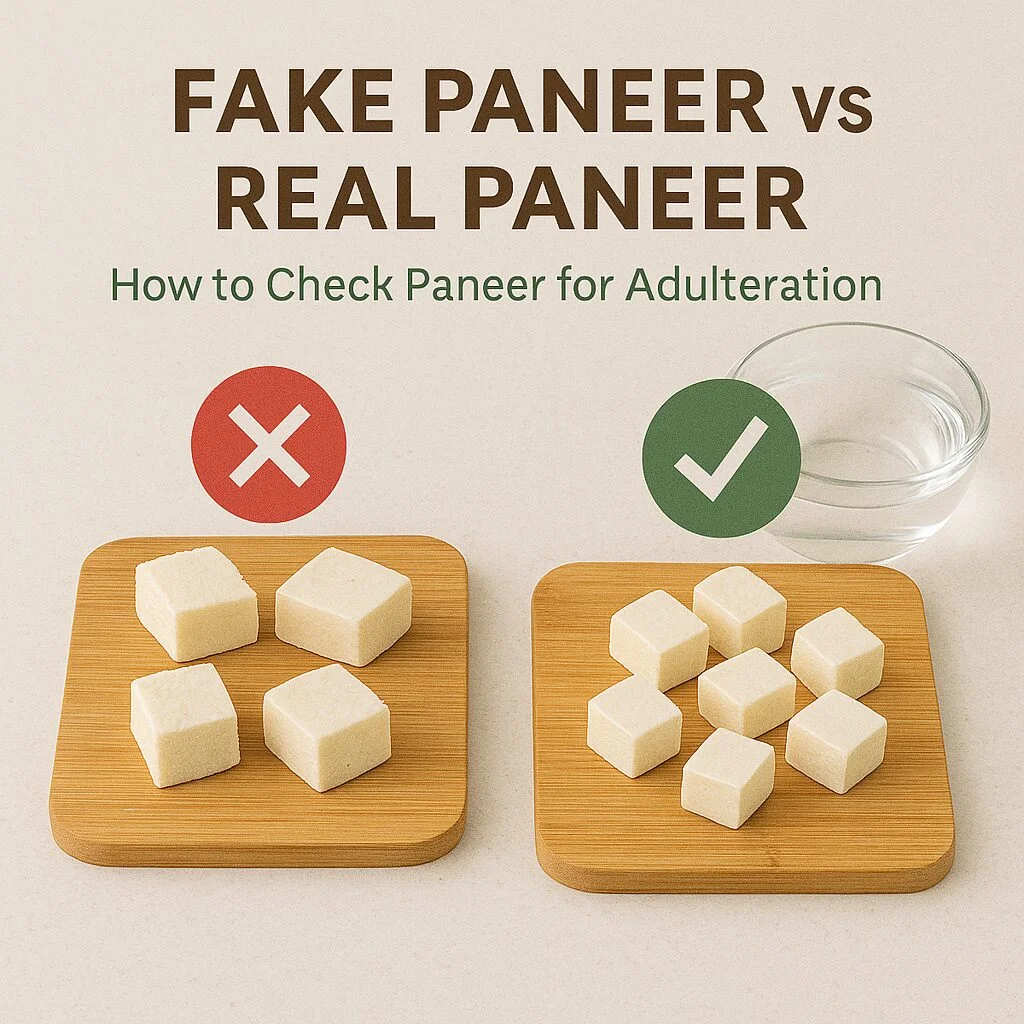
1. The Finger Press Test (Texture Check)
This is the easiest real paneer vs fake paneer check you can do with your hands.
- What to do: Take a raw piece of paneer and mash it firmly between your thumb and fingers.
- Real Paneer: It will break apart smoothly and crumble into small milk pieces.
- Fake Paneer: It will not crumble. It will feel rubbery, stretchy, or bouncy like a plastic eraser because of the chemicals inside.
2. The Iodine Test (For Starch)
Bad dairies mix potato flour or corn starch into paneer to make it heavy. This is the most accurate fake paneer test.
- What to do: Boil a piece of paneer in water. Let it cool down completely. Now, put 2 drops of Iodine Liquid (you can buy this cheaply at any local medical store) on the paneer.
- Real Paneer: The color of the paneer stays normal (light yellowish-white).
- Fake Paneer: The paneer will instantly turn dark blue or purple-black. This proves starch is present.
3. The Arhar Dal Test (For Chemical Urea)
Some sellers use urea and washing powder to make fake milk look bright white and thick.
- What to do: Boil paneer in a cup of water. Let it cool down. Add one spoon of Arhar Dal (Toor Dal) powder or soybean powder into the water. Wait for 10 minutes.
- Real Paneer: The color of the water does not change.
- Fake Paneer: The water turns light red or orange. This means dangerous chemicals are mixed in it.
4. The Hot Water Oil Test (For Cheap Fats)
Fake paneer makers remove good milk fat and add cheap palm oil or Vanaspati ghee instead.
- What to do: Put a paneer block into a bowl of hot boiling water and leave it for 10 minutes.
- Real Paneer: The paneer gets softer but stays in one piece.
- Fake Paneer: A thick greasy layer of oil will start floating on top of the water as the fake fat melts.
5. The Smell and Taste Test
Your nose and tongue can easily help you understand how to identify pure paneer.
- Real Paneer: It has a very sweet, fresh, and milky smell. When you eat it raw, it melts in your mouth easily.
- Fake Paneer: It smells sour, like plastic, or like soap. When you chew it, it feels like chewing rubber or bubble gum.
Real Paneer vs Fake Paneer: Quick Comparison
| What to Look For | Real Pure Paneer | Fake Synthetic Paneer |
|---|---|---|
| When you press it | Crumbles easily | Rubbery and spongy |
| Iodine drop test | Stays brown/yellow | Turns dark blue/black |
| Dal powder test | Water stays clean | Water turns reddish-orange |
| Taste in mouth | Creamy and milky | Chewy, greasy, or sour |
How to Stay Safe When Buying Paneer
To protect your family from food scams, try not to buy cheap loose paneer sold in open street carts. It is much safer to buy sealed packets from standard, well-known dairy brands.
Always look at the ingredient list on the back of the packet before buying. Pure paneer will only list milk and citric acid or lemon juice. If the package mentions terms like “vegetable fat,” “palm oil,” or “starch,” it is officially fake paneer and not real dairy paneer.