
Now Reading: Why Are Dairy Cows Not Getting Pregnant? 7 Things Farmers Should Check
-
01
Why Are Dairy Cows Not Getting Pregnant? 7 Things Farmers Should Check

When a dairy cow fails to become pregnant after multiple breedings, it is easy to assume she is completely infertile. However, true barrenness is rare. In most cases, dairy cow infertility is caused by manageable farm factors, nutritional gaps, or underlying health issues that can be corrected.
For dairy farmers, a repeat breeder cow significantly drops farm profitability. It increases artificial insemination (AI) costs, wastes expensive semen, and extends the days open (the time between calving and the next pregnancy), leading to lower milk yields over time.
The good news is that most reproduction issues can be solved through improved dairy cattle reproduction management, better record-keeping, and timely veterinary checks. Here is a complete guide to understanding why is my cow not getting pregnant and how you can fix it.
7 Main Causes of Dairy Cow Infertility
1. Poor Nutritional Management
Nutrition directly controls a cow’s reproductive cycle. After calving, a high-producing dairy cow requires huge amounts of energy to produce milk. If her feed ration lacks energy, she will experience a severe negative energy balance and lose body weight rapidly.
- The Fix: A cow’s daily ration must be balanced with adequate energy, protein, fiber, vitamins, and high-quality minerals. Do not just increase grain or concentrate feed blindly. Monitor your herd’s Body Condition Score (BCS) closely during the early lactation phase.
2. Missed or Poor Heat Detection
An accurate heat check is the foundation of successful breeding. If a farmer misses the heat window, the cow cannot be inseminated on time, pushing back her reproductive cycle by another 21 days.
- Key Cow Heat Detection Signs: The primary sign is “standing heat”—when a cow stands still while being mounted by other cows. Secondary signs include restlessness, clear mucus discharge from the vulva, swelling of the vulva, continuous vocalization, and a sudden drop in milk or feed intake.
- The Fix: Observe your cows at least three to four times a day, especially during the cooler hours of early morning and late evening.
Also Read:- How to Increase Milk Production in Cows
3. Incorrect Artificial Insemination (AI) Timing
Finding a cow in heat is only half the battle. If the actual insemination happens too early or too late in relation to ovulation, the sperm and egg will not meet successfully, turning the animal into a frustrating repeat breeder cow.
- The Fix: Review your AI timing protocols. Common errors include poor semen storage, incorrect thawing temperatures, and rough handling during the insemination process. Ensure your AI technician is properly certified and follows standard timing rules.
4. Postpartum Infections and Health Issues
A cow cannot maintain a pregnancy if her reproductive tract is unhealthy. Metabolic diseases and difficult calvings create long-term inflammation inside the uterus.
- Common Health Triggers: Conditions like metritis (uterine infection), retained placenta (delayed drop of the afterbirth), mastitis, and severe lameness highly reduce conception rates.
- Warning Signs: Watch out for abnormal or foul-smelling vaginal discharge, high fever, swollen udders, or a sudden drop in daily milk production.
5. Severe Heat Stress
In warm tropical climates, environmental heat stress acts as a silent killer of herd fertility. High temperatures reduce a cow’s appetite, alter hormone balances, and drastically increase the rates of early embryonic mortality. The cow might actually conceive, but the embryo dies before the farmer even realizes she was pregnant.
- The Fix: Provide 24/7 access to clean, cool drinking water. Ensure your barns have adequate shade, excellent cross-ventilation, and functional cooling fans or misters to lower the ambient temperature.
6. Reproductive System Disorders
Sometimes, internal ovarian issues physically prevent ovulation. The most common problem is Cystic Ovarian Disease (COD), where fluid-filled structures form on the ovaries and disrupt the normal 21-day heat cycle.
- Signs to Watch For: A cow showing no signs of heat for months, or conversely, a cow showing irregular, frequent heat signs every few days without ever conceiving.
- The Fix: These disorders require an expert veterinary examination using ultrasound diagnostic tools to clear the cysts safely.
Also Read:- Cow Milk vs Buffalo Milk: Which Is Better for Dairy Farmers?
7. Early Pregnancy Loss
Not every empty cow is a failure to conceive. Often, successful fertilization occurs, but the early embryo fails to implant or survive due to stress, poor nutrition, or systemic infections within the first month.
- The Fix: If a cow is confirmed pregnant by a vet but returns to heat weeks later, treat it as a pregnancy loss rather than an AI failure, and immediately look into herd health and biosecurity protocols.
The Pre-Breeding Evaluation Checklist
Before you call an AI technician to breed a cow for the third or fourth time, ask yourself these seven diagnostic questions:
- Is the cow eating her full balanced ration daily?
- Has she maintained a stable, healthy body condition score?
- Is she displaying strong, unambiguous cow heat detection signs?
- Are you checking for heat frequently enough during the day?
- Is the artificial insemination being performed at the exact recommended hour?
- Is she free from past calving infections or visible vaginal discharge?
- Is the animal protected against extreme daytime heat stress?
If the answer to any of these questions is “No” or “Unsure,” pause the breeding cycle and fix the underlying management gap first.
Why Accurate Breeding Records Are Essential
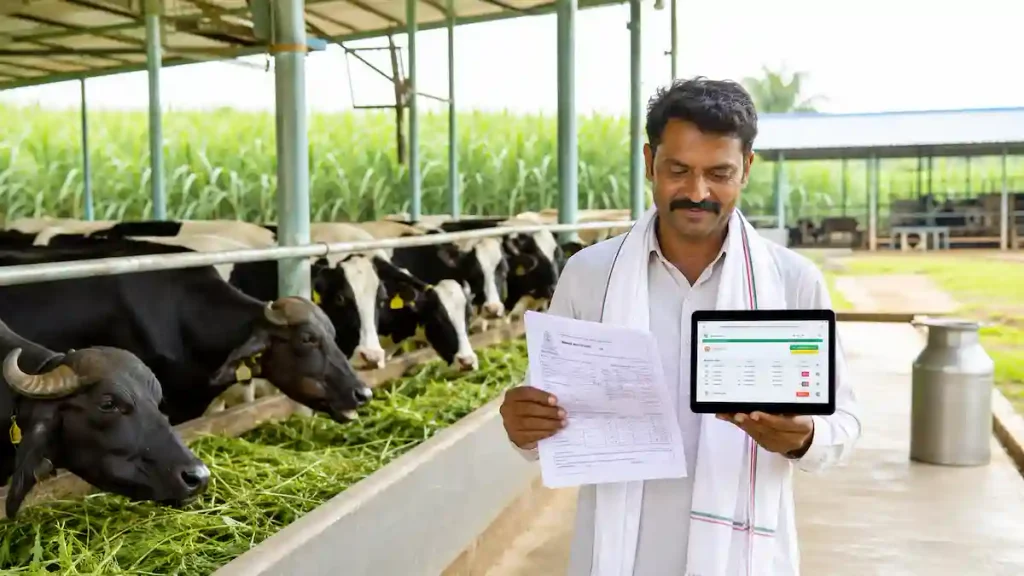
You cannot manage what you do not measure. Relying on memory to track a growing dairy herd always leads to missed opportunities. A simple, structured breeding ledger provides invaluable data:
| Metric to Track | Strategic Importance |
|---|---|
| Calving Date | Measures the exact days open and checks if the cow is ready to breed. |
| Heat Dates | Helps predict the exact day of the next cycle (usually 21 days later). |
| AI Date & Sire Info | Documents breeding history and helps calculate the exact expected calving date. |
| Pregnancy Diagnosis (PD) | Confirms conception early on to avoid wasting time on empty cows. |
| Past Health & Disease Issues | Highlights chronic reproductive tracking failures or systemic herd trends. |
Important Medical Caution
Never administer hormonal synchronization injections, uterine flushes, or antibiotics without consulting a licensed veterinarian. Every case of dairy cow infertility has a distinct origin. Using the wrong hormonal therapy can disrupt a cow’s natural reproductive cycle permanently.
Summary: Resolving fertility issues relies on solid dairy cattle reproduction management rather than expensive quick-fix supplements. By prioritizing balanced nutrition, accurate heat checks, stress reduction, and rigorous record-keeping, you can minimize your open days and secure a highly productive, profitable dairy farm.