

Now Reading: How to Increase Milk Production in Cows: 10 Simple Dairy Farming Tips
-
01
How to Increase Milk Production in Cows: 10 Simple Dairy Farming Tips

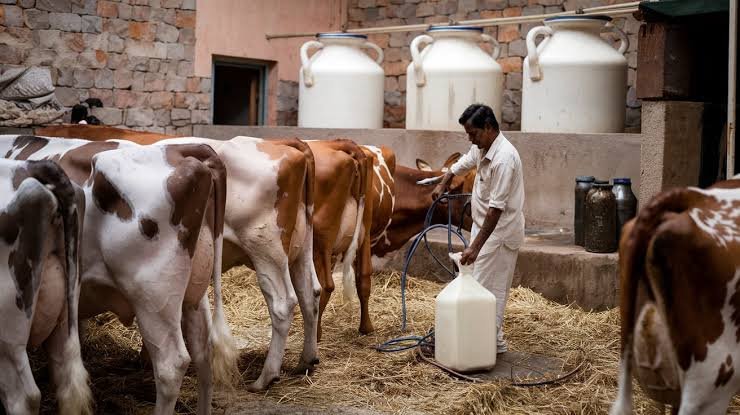
Every dairy farmer wants to get more milk from their cattle. A small increase in daily milk means more profit and more daily income for your family. But simply giving more food or grain is not the right way. A cow gives maximum milk only when her food, health, water, and comfort are managed properly.
If you want to know how to increase milk production in cows easily, here are 10 practical and highly effective dairy farming tips that every farmer can follow.
10 Tips to Increase Milk Production in Cows
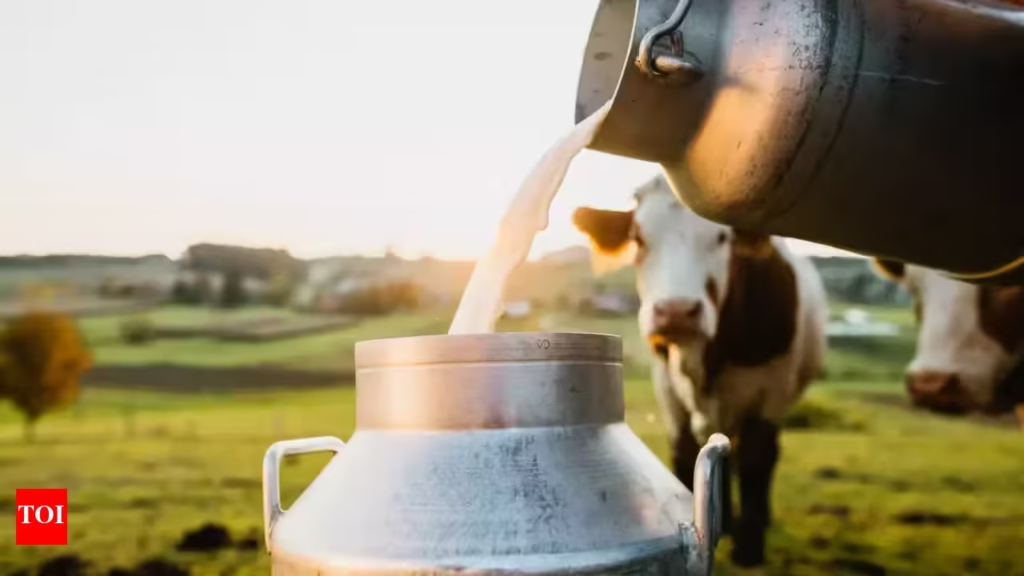
1. Give a Balanced Diet Daily (Cow Feed)
High-quality cow feed is the most important foundation for getting more milk. Your cow needs a proper mix of energy, protein, vitamins, and fiber every day to stay strong.
- Important Rule: Never change your cow’s food suddenly. If you want to switch to a new feed, mix it slowly with the old feed over a period of 7 to 10 days to protect her stomach.
2. Provide Access to Clean Water
Did you know that milk is made of almost 87% water? If a cow does not drink enough clean water, her body will immediately reduce milk production.
- Always keep fresh, clean drinking water in front of your cows 24 hours a day. During hot summer days, their water requirements can double.
3. Feed High-Quality Green Fodder
Always include plenty of fresh green fodder like hybrid Napier grass, Maize, or Sorghum in their daily routine.
- Green fodder provides essential moisture, natural fiber, and vitamins that keep the cow’s digestive system happy. If fresh grass is limited in your area during dry seasons, feeding well-stored silage is an excellent alternative.
4. Mix a Good Mineral Mixture Daily
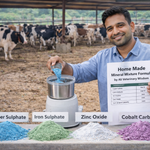
Cows lose massive amounts of calcium, phosphorus, and essential minerals through their milk every single day.
- Adding a high-quality mineral mixture to the daily cow feed keeps the animal’s bones strong and boosts milk quality. Give the right amount based on the cow’s age and daily milk output, and avoid giving excessive chemical supplements.
5. Protect Your Cows from Heat Stress
When cows feel too hot, they suffer from heat stress. They instantly stop eating food, feel restless, and their milk production drops fast.
- Keep your cows in a shaded place with good air ventilation. Using simple ceiling fans or water sprinklers in the shed during hot summer afternoons will keep them cool and comfortable.
Also Read:- Cow Milk vs Buffalo Milk: Which Is Better for Dairy Farmers?
6. Stick to a Strict Milking Schedule
Always milk your cows at the exact same time every morning and evening.
- Changing the milking routine shocks and stresses the animal’s nervous system. Keep the milking area completely calm and quiet, as a scared or disturbed cow will not let down her milk properly.
7. Clean the Udder to Prevent Mastitis
Mastitis is a dangerous udder infection that can completely destroy a cow’s milk-producing capacity and ruin milk quality.
- Wash the cow’s udder with clean water before and after every milking session. Keep the shed floor dry and clean so that bacteria cannot enter the udder when the cow lies down.
8. Regular Deworming and Timely Vaccines
Internal stomach worms secretly eat away the nutrition from the food your cow swallows, leading to a sudden drop in milk yield.
- Give deworming medicine to your cows regularly every few months after consulting a vet. Also, never miss critical vaccinations for dangerous diseases like Foot and Mouth Disease (FMD).
- Is Your Paneer Real or Fake? 5 Simple Home Tests to Check Purity
- Nandini Milk Price May Go Up by ₹8 from November 1: Check Details Here
- Dairy Farm Business 2026: Complete Loan & Government Subsidy Guide

9. Give Extra Attention After Calving
The first 3 to 4 weeks after a cow gives birth (calving) are the most crucial part of her lactation cycle.
- During this early stage, her body needs an extreme amount of energy, but her appetite is low. Work with a local livestock expert to provide a high-energy diet to help her reach peak milk production safely.
10. Choose High-Yielding Dairy Breeds
At the end of the day, maximum milk capacity depends heavily on genetics.
- If you are planning to buy a new animal, choose superior breeds that match your local weather and climate conditions. Remember, buying a high-producing animal is only profitable if you are ready to provide premium cow feed and housing.
Also Read:- Top 5 Low Carb Cheese Options for Lazy Keto Meal Prep
Can giving more food always increase milk?
No. Simply adding more food will not help if your cow is sick, thirsty, suffering from summer heat, or has stomach worms. True success comes when you use all these dairy farming tips together to keep your animals healthy, comfortable, and happy!
Frequently Asked Questions (FAQs)
Q1. What is the fastest way to increase milk production in cows naturally?
The fastest way is to give your cow fresh drinking water 24 hours a day and mix a good mineral mixture into their daily cow feed. Proper hydration and correct minerals can show good results within 2 to 3 days.
Q2. Why does a cow’s milk production suddenly drop?
A sudden drop in milk usually happens because of three main reasons: starting signs of mastitis (udder infection), sudden change in weather (heat stress), or internal stomach worms. Do not just add more feed; check for these problems first.
Q3. How much green fodder should a dairy cow eat every day?
A healthy milking cow should eat around 25 to 35 kg of fresh green fodder (like Maize or Napier grass) every day. Green fodder keeps their stomach healthy and improves milk quality.
Q4. What should I feed my cow after calving to get more milk?
After giving birth (calving), a cow needs high energy. Give her high-quality cow feed along with extra calcium supplements and bypass fat. This gives her strength and helps her reach peak milk production quickly.
Q5. Is it safe to use injections or medicines to increase milk?
Giving natural vitamins and mineral mixtures is completely safe and good for health. However, never use chemical or hormone injections to force more milk. It can ruin your cow’s health and make the milk unsafe. Always stick to natural dairy farming tips.
Increasing milk production is not a magic trick. It needs daily care, clean water, high-quality cow feed, fresh green fodder, and a good mineral mixture. When you keep your cows comfortable and healthy, your milk profit will automatically go up. Always remember, a happy cow gives the most milk!
For more practical dairy farming guides, follow HighDairies for dairy farming, dairy business and industry updates.






Pingback: Dairy Cow Infertility: 7 Reasons Cows Are Not Getting Pregnant