Now Reading: 7 Indian Dairy Breeds Every Farmer Should Know
-
01
7 Indian Dairy Breeds Every Farmer Should Know

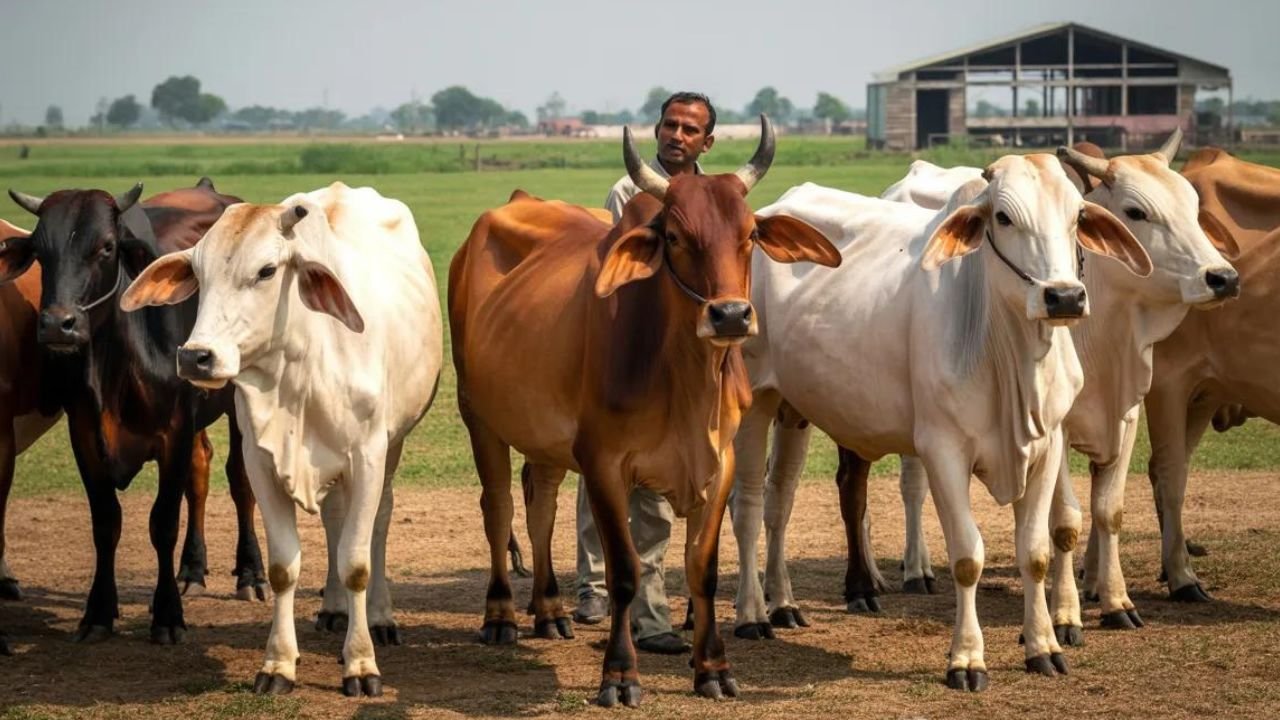
India is home to several indigenous cow and buffalo breeds that form the backbone of the country’s dairy industry. From Haryana’s famous Murrah buffalo breed to Rajasthan’s hardy Rathi cow breed, different livestock varieties offer farmers distinct advantages in milk production, climate adaptability, and profitability.
Choosing the right animal is one of the most important decisions for any dairy entrepreneur. A breed that thrives in one region may require very different feeding, housing, and management conditions in another. Whether you are starting a new dairy farm, scaling an existing herd, or buying cattle at a traditional livestock fair, understanding the best dairy cow breeds in India alongside top dairy buffaloes will help you invest wisely.
In this complete guide, we explore seven prominent Indian dairy breeds, their physical traits, native regions, milk potential, and practical tips for buying healthy livestock.
1. Murrah Buffalo Breed – Haryana’s High-Fat Dairy Leader
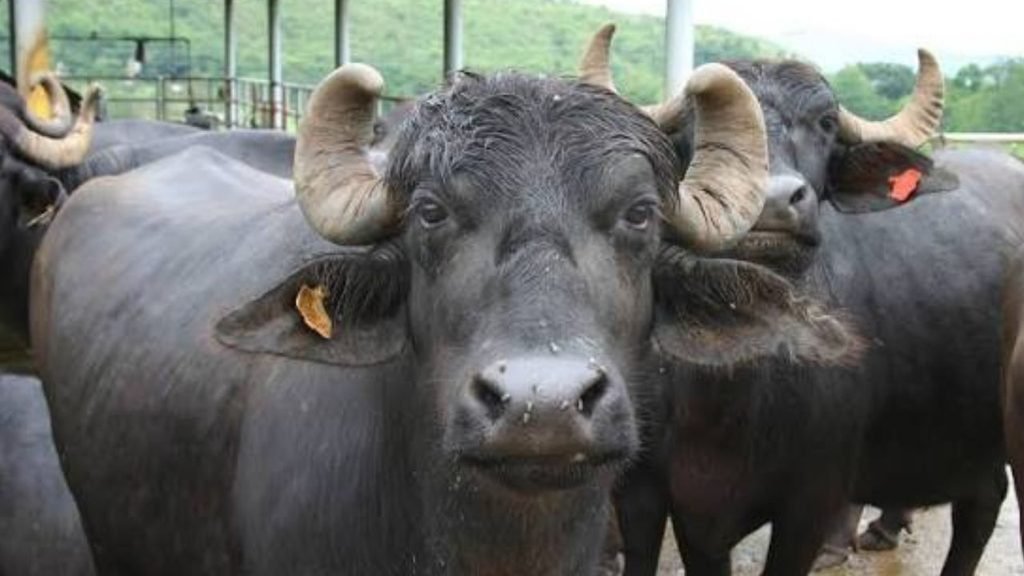
Murrah buffalo breed is India’s most recognised commercial dairy buffalo. Native to Haryana—particularly Rohtak, Hisar, and Jind districts—this breed is also widely raised across Punjab, western Uttar Pradesh, and Delhi NCR. Commercial dairy farmers favour Murrah buffaloes for their high milk yield and rich butterfat content.
How to Identify a Murrah Buffalo
- Jet-black body with a compact, well-developed frame.
- Short, tightly curled spiral horns.
- Fine, tight, and glossy skin.
- Medium-sized head and neck with a well-developed, capacious udder.
Milk Production & Fat Content
According to ICAR-CIRB breed data, the 305-day milk yield of a Murrah buffalo typically ranges between 1,003 kg and 2,057 kg, with elite animals producing over 5,000 kg per lactation. Milk fat content usually ranges from 6.9% to 8.3%, making it ideal for ghee, paneer, and high-fat milk markets.
Why Farmers Choose Murrah
- High milk fat percentage that fetches better dairy prices.
- Strong commercial dairy farming potential.
- High demand in organised breeding programmes.
- Good adaptability to stall-fed farm management systems.
2. Rathi Cow Breed – Rajasthan’s Resilient Indigenous Dairy Cow
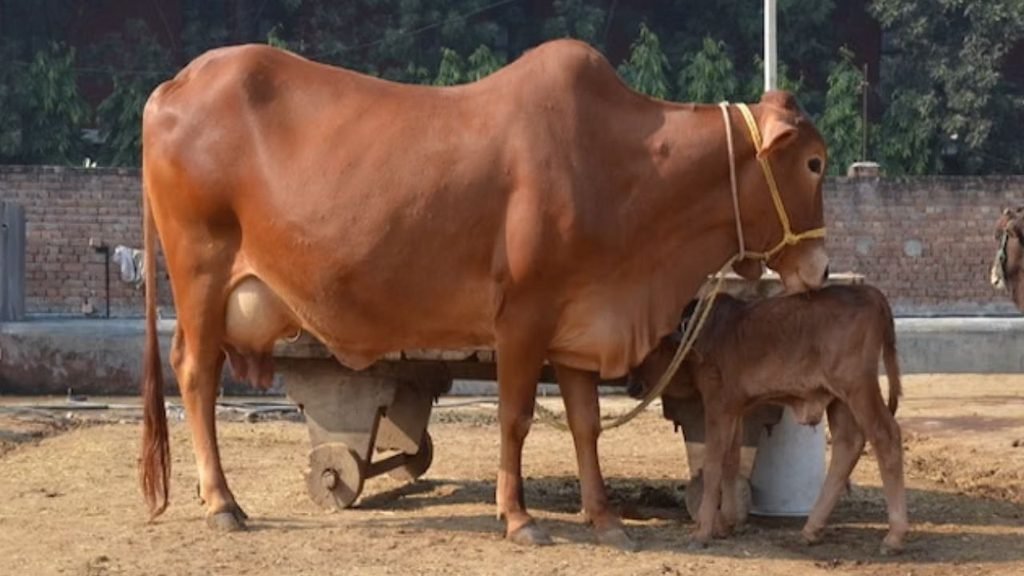
The Rathi cow breed is one of the most valuable Indian cattle breeds native to northwestern Rajasthan. Its primary breeding tract covers Bikaner and Sri Ganganagar districts, though it is also reared in surrounding arid zones. Farmers in Rajasthan rely on Rathi cows because they tolerate extreme heat and dry fodder conditions remarkably well.
How to Identify a Rathi Cow
- Usually brown coat with distinct white patches, though some animals have darker brown coats.
- Medium-sized, symmetrical body frame.
- Short horns and medium-sized ears.
- Well-developed udder with prominent milk veins in lactating cows.
Milk Production
Published breed records report an average lactation yield of approximately 1,560 kg, with superior animals yielding higher under balanced nutrition and good management.
Why Farmers Choose Rathi
- Natural adaptability to hot, arid climates and low-input feeding systems.
- Recognised as one of the best dairy cow breeds in India for desert regions.
- Strong disease resistance and regular calving cycles.
3. Sahiwal Cow – Among the Best Dairy Cow Breeds in India
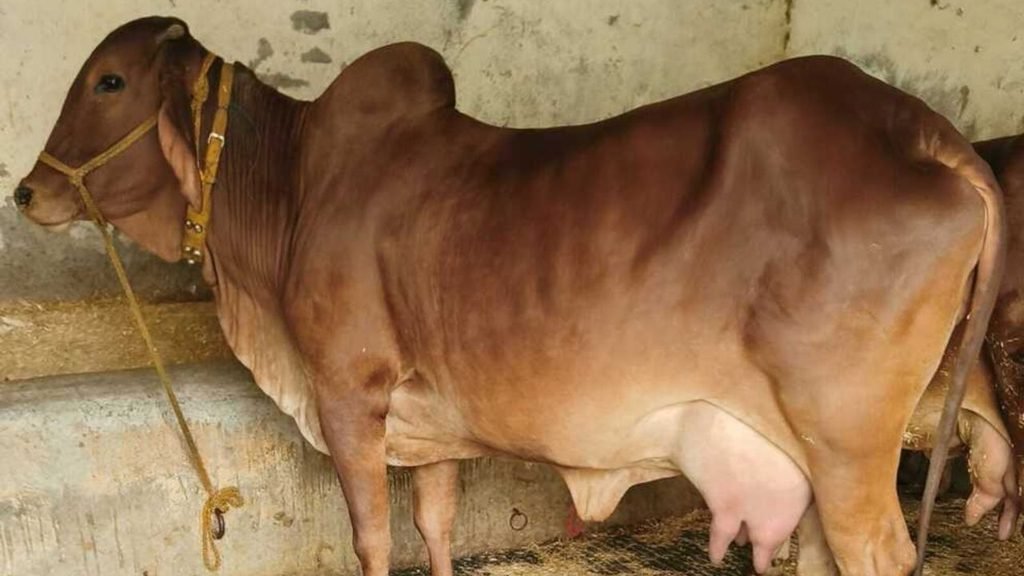
Sahiwal is widely regarded as one of the highest-yielding indigenous dairy cattle breeds in India. Originating from the Punjab region, it is now reared extensively in Punjab, Haryana, Rajasthan, and Uttar Pradesh. Sahiwal cows are prized for their calm temperament, heat tolerance, and consistent milk output.
How to Identify a Sahiwal Cow
- Reddish-brown or pale red coat, sometimes with white markings on the underline.
- Loose skin, heavy dewlap, and a well-developed body.
- Short, thick horns and drooping ears.
- Large, well-attached udder in productive animals.
Milk Production
Historical breed records indicate an average lactation yield of around 2,300 kg, with well-managed farm herds achieving significantly higher volumes.
Why Farmers Choose Sahiwal
- High indigenous milk production potential.
- Excellent tolerance to warm and humid tropical climates.
- High demand for purebred A2 milk production and crossbreeding programmes.
4. Gir Cow – Gujarat’s Famous Indigenous Cattle Breed
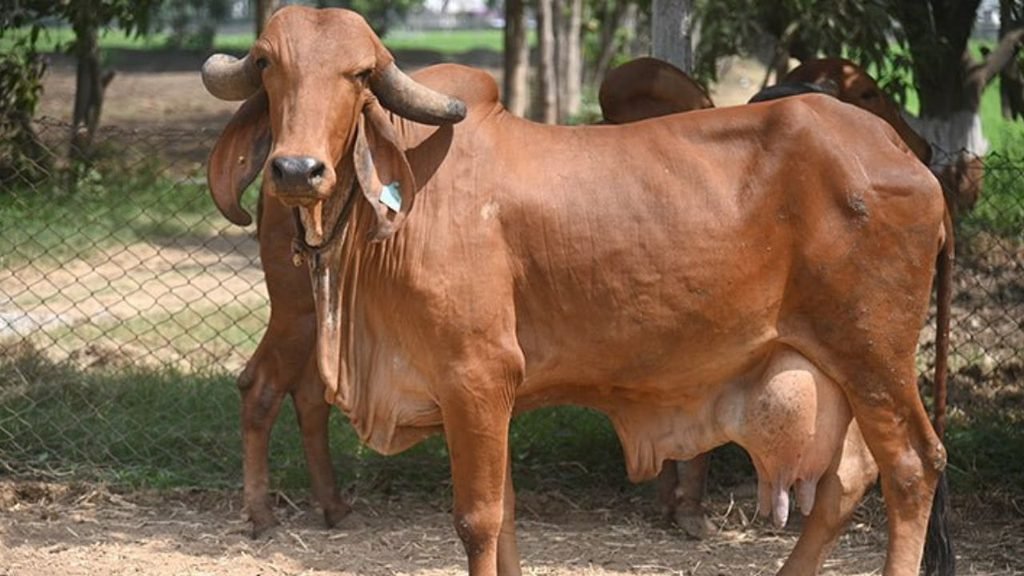
Originating from the Gir forests and Saurashtra region of Gujarat, the Gir cow is one of India’s most iconic Indian cattle breeds. Known for its distinctive appearance and gentle nature, Gir cattle have gained massive popularity among farmers focusing on indigenous dairy farming.
How to Identify a Gir Cow
- Red, reddish-brown, or mottled red-and-white coat.
- Long, pendulous, leaf-shaped ears that curl inward at the tips.
- Broad, convex, and prominent forehead.
- Thick horns curving backward and upward.
Milk Production
Gir milk yield varies depending on genetics, lactation stage, and nutrition. Rather than relying solely on general breed averages, buyers should verify actual daily milking records before purchasing.
Why Farmers Choose Gir
- High adaptability to warm climates and varied grazing conditions.
- Strong commercial demand for indigenous cow milk and breeding stock.
- Good longevity and regular reproductive performance.
5. Tharparkar Cow – Dual-Purpose Breed for Arid Regions
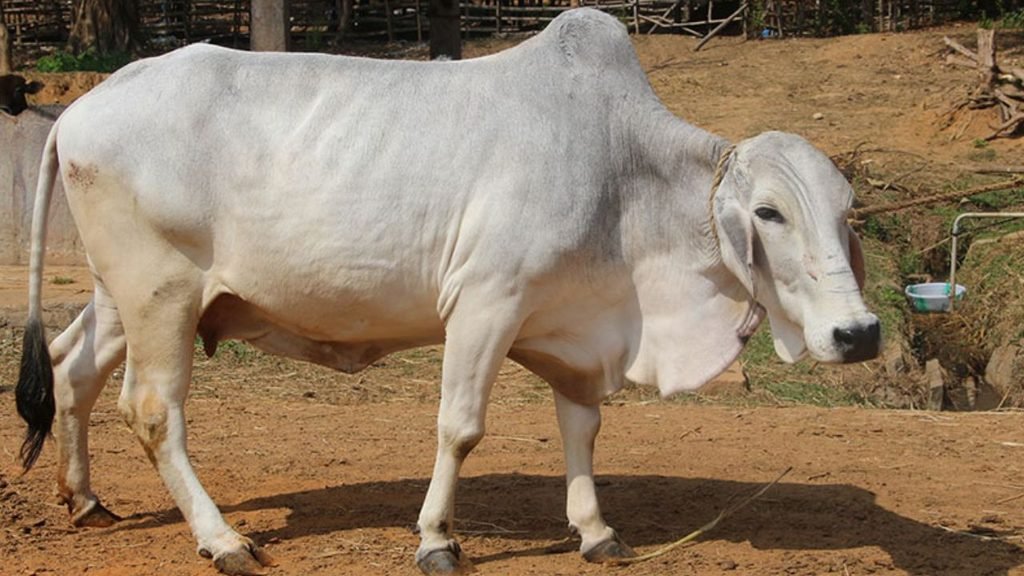
Tharparkar is a hardy indigenous cattle breed native to western Rajasthan and the adjoining Kutch region of Gujarat. Built to survive harsh desert temperatures and scarce grazing, Tharparkar is valued as a dual-purpose breed—providing reliable milk yields while producing strong bullocks for agricultural work.
How to Identify a Tharparkar Cow
- White or light-grey coat that deepens to darker shades around the face and extremities.
- Strong, medium-sized frame with sturdy legs.
- Well-developed hump and medium-sized, upward-curving horns.
Milk Production
Published breed records report an average lactation yield of approximately 1,700 kg, though individual performance varies with feed quality and care.
Why Farmers Choose Tharparkar
- Exceptional heat and drought resilience.
- Dual utility for both milk production and draught power.
- Low maintenance costs in dryland farming systems.
6. Nili-Ravi Buffalo – Punjab’s High-Yielding Dairy Buffalo
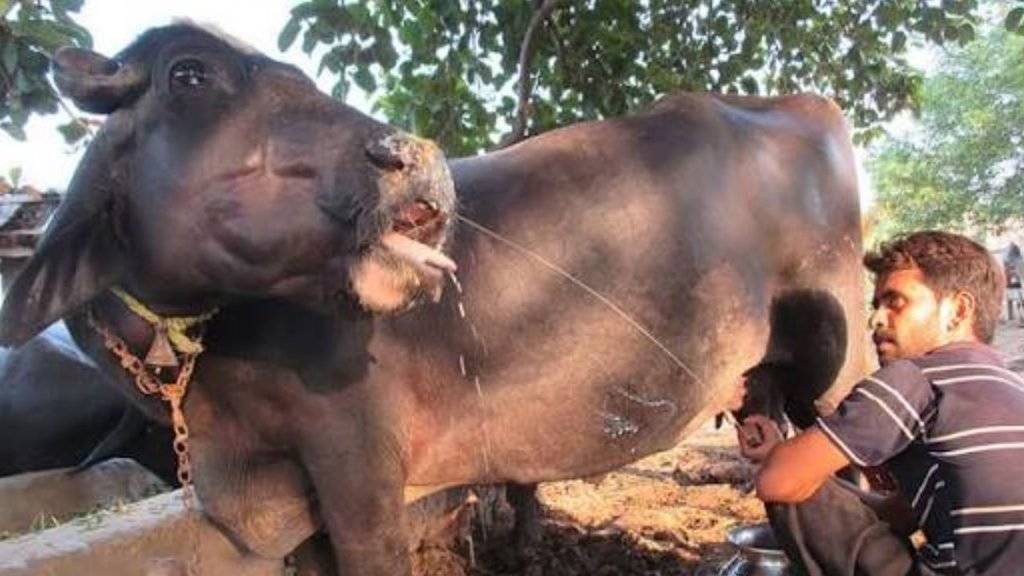
The Nili-Ravi buffalo is a prominent dairy breed associated with the Sutlej and Ravi river valleys of Punjab. Closely related to the Murrah breed, Nili-Ravi buffaloes are easily recognised by their distinctive white markings—traditionally known as Panch Kalyani.
How to Identify a Nili-Ravi Buffalo
- Predominantly black body with white markings on the forehead, muzzle, legs, and tail switch.
- Small, tightly curled horns and wall eyes (light-coloured irises).
- Medium-to-large, wedge-shaped dairy frame.
Milk Production
ICAR-CIRB breed profiles report a 305-day milk yield of approximately 1,586 kg to 1,929 kg, with high-performing animals capable of exceeding 4,000 kg per lactation.
Why Farmers Choose Nili-Ravi
- High milk volume paired with rich butterfat content.
- Well-suited for organised buffalo dairy farms in northern India.
- Strong genetic potential for selective breeding.
7. Mehsana Buffalo – Gujarat’s Commercial Dairy Breed
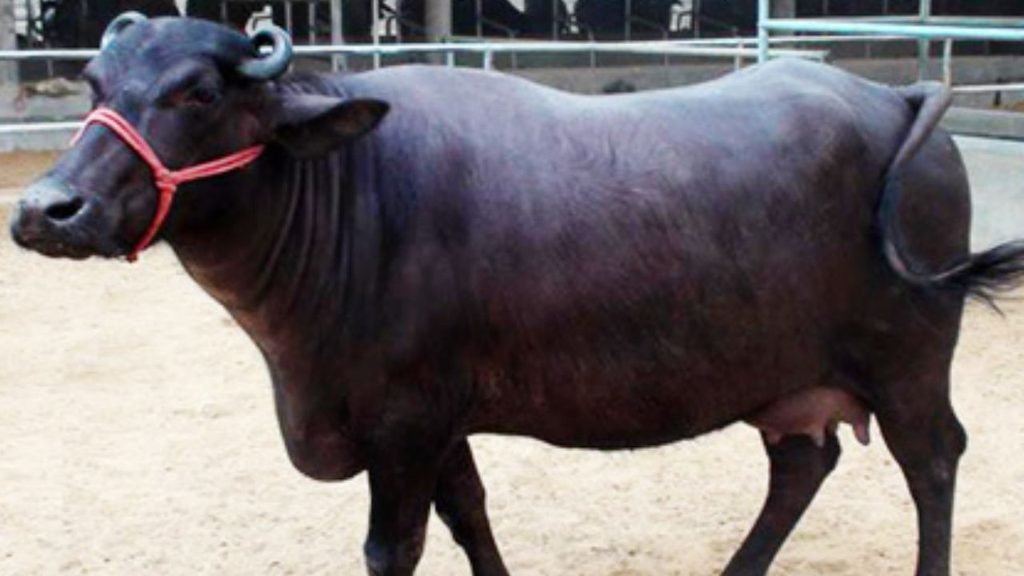
Developed in northern Gujarat—specifically Mehsana, Banaskantha, and Sabarkantha districts—the Mehsana buffalo combines traits from Murrah and Surti buffaloes. Commercial dairy farmers in Gujarat rely heavily on Mehsana buffaloes for their persistent lactation and regular breeding cycles.
How to Identify a Mehsana Buffalo
- Black or dark black-brown body with a medium-to-large frame.
- Sickle-shaped horns that curve upward and inward (less tightly curled than Murrah).
- Prominent, bright eyes and a well-developed udder.
Milk Production
ICAR-CIRB reports an average 305-day milk yield of approximately 1,700 kg for the Mehsana breed, with individual yields varying based on feeding and farm management.
Why Farmers Choose Mehsana
- Consistent milk production across long lactation periods.
- Regular calving intervals and strong adaptability to commercial dairy sheds.
- Established milk collection and cooperative market support in Gujarat.
Comparison of 7 Indian Dairy Breeds
The table below summarises the seven Indian dairy breeds covered in this guide to help you compare their native regions, yields, and primary advantages at a glance.
| Breed Name | Animal Type | Native Region | Reported Milk Yield | Main Advantage |
|---|---|---|---|---|
| Murrah | Buffalo | Haryana | ~1,003–2,057 kg (305-day) | High-fat commercial milk |
| Rathi | Cow | Rajasthan | ~1,560 kg per lactation | Hot & dry climate adaptability |
| Sahiwal | Cow | Punjab Region | ~2,300 kg per lactation | High indigenous milk yield |
| Gir | Cow | Gujarat | Varies by management | Indigenous dairy & breeding value |
| Tharparkar | Cow | Rajasthan & Kutch | ~1,700 kg per lactation | Dual-purpose (milk & draught) |
| Nili-Ravi | Buffalo | Punjab | ~1,586–1,929 kg (305-day) | High-yield buffalo farming |
| Mehsana | Buffalo | Gujarat | ~1,700 kg (305-day) | Persistent commercial production |
Note: Milk yield figures are indicative breed averages and not guaranteed production levels, as individual performance depends on genetics, lactation stage, nutrition, and farm management.
Which Indian Dairy Breed Should Farmers Choose?
There is no single best dairy breed for every farm. Your choice should align with your local climate, fodder availability, budget, and target milk market:
- For Dairy Farming in Rajasthan: Rathi and Tharparkar cows are top choices because they handle extreme summer heat and dry fodder efficiently.
- For Commercial High-Fat Milk Production: The Murrah buffalo breed and Mehsana buffalo offer strong returns where milk pricing is based on fat percentage.
- For Pure Indigenous Cow Milk: Sahiwal and Gir are among the best dairy cow breeds in India, supported by strong breeding networks and consumer demand for indigenous milk.
- For Farms in Punjab and Haryana: Sahiwal cattle, Murrah buffaloes, and Nili-Ravi buffaloes thrive in local climatic conditions with abundant green fodder.
Buying a Cow or Buffalo at a Livestock Fair? Check These 7 Things
Traditional cattle fairs—such as Rajasthan’s famous Pushkar Fair—bring breeders, farmers, and traders together. While fairs offer great variety, an attractive appearance or famous breed name does not guarantee profitability. Follow this 7-point checklist before buying:
- Verify Actual Milk Production: Ask for recent milking records and personally observe at least two to three consecutive milkings to verify daily yield.
- Confirm Age and Lactation Number: Animals in their second or third lactation typically deliver peak milk output. Have a veterinarian verify age by checking the teeth.
- Inspect the Udder and Teats: Feel the udder for softness, symmetry, and absence of hard lumps, swelling, or signs of past mastitis.
- Review Reproductive History: Check previous calving dates, pregnancy status, and ease of conception to avoid fertility issues.
- Assess Overall Health: Look for bright eyes, a shiny coat, good appetite, and sound hooves. Always get a pre-purchase checkup from a qualified vet.
- Calculate Daily Feeding Costs: Factor in green fodder, dry roughage, concentrate feed, mineral mixtures, labour, and veterinary care against expected milk revenue.
- Check Ownership and Transport Documents: Verify seller ownership records and follow legal animal transport guidelines before moving livestock across districts or states.
Why Indigenous Indian Dairy Breeds Matter
India’s indigenous cattle and buffalo breeds have evolved over centuries to withstand local diseases, heat stress, and seasonal fodder shortages. Conserving and selectively breeding these animals strengthens rural livelihoods and reduces farm veterinary expenses. For modern dairy farmers, choosing well-adapted indigenous breeds is a practical business decision that balances input costs with sustainable, long-term milk production.
Frequently Asked Questions (FAQs)
1. Which is the best buffalo breed for dairy farming in India?
The Murrah buffalo breed is widely considered the top commercial dairy buffalo in India due to its high milk yield and 6.9% to 8.3% milk fat content.
2. Which cow breed is best for dairy farming in Rajasthan?
The Rathi cow breed and Tharparkar cow are the most suitable indigenous breeds for Rajasthan because of their natural resistance to heat and arid conditions.
3. Which are the best dairy cow breeds in India for high milk yield?
Sahiwal, Gir, and Rathi are among the highest-yielding Indian cattle breeds, with Sahiwal averaging around 2,300 kg per lactation under good management.
4. What is the difference between Murrah and Mehsana buffaloes?
Murrah buffaloes originate from Haryana and have tightly curled spiral horns, while Mehsana buffaloes originate from Gujarat, feature sickle-shaped horns, and are known for long, persistent lactations.
5. What should farmers check before buying a dairy animal at a fair?
Always verify actual milk yield by observing milking, check udder health, confirm age and calving history, examine overall health with a vet, and calculate feed expenses before paying.
Best buffalo breed for dairy farming
Building a profitable dairy farm starts with selecting healthy animals suited to your region’s climate and feed resources. Whether you invest in a high-fat Murrah buffalo, a resilient Rathi cow, or a high-yielding Sahiwal, always prioritise verified milk records and veterinary health checks over appearances.