
Now Reading: How Women Are Changing India’s Milk Economy
-
01
How Women Are Changing India’s Milk Economy

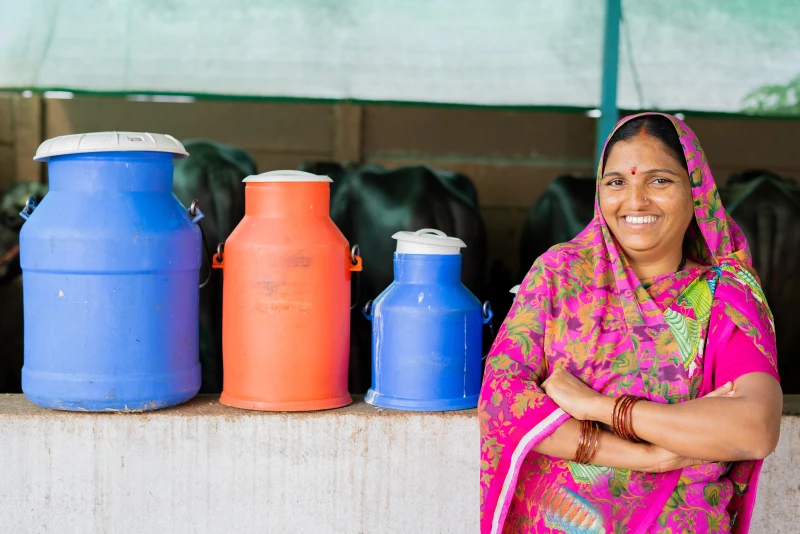
Indian Dairy Industry is no longer only about producing more milk. Behind the country’s position as the world’s largest milk producer is another major change — women are becoming a stronger part of India’s dairy economy.
India produced a record 247.87 million tonnes of milk in 2024-25, according to the Department of Animal Husbandry and Dairying. Milk production has continued to rise steadily over the past decade, strengthening the country’s position at the top of the global dairy industry.
But the bigger story may be happening inside India’s villages. For millions of rural families, dairy farming is not simply another agricultural activity. It is a daily source of income, nutrition and employment. And much of the work — from feeding animals to milking and managing livestock — is carried out by women.
Women Are Becoming More Visible In Indian Dairy Industry
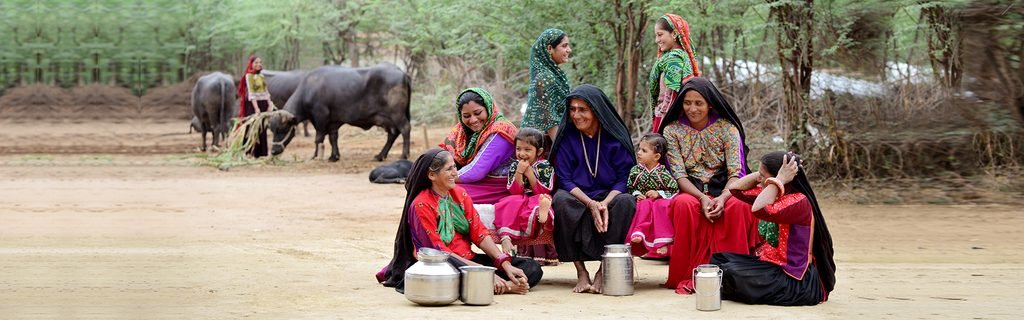
Women have always played a major role in dairy farming, but their contribution has often remained invisible in official business and agricultural discussions.
That is changing through dairy cooperatives and producer organisations. National Dairy Development Board (NDDB) has been working for years to increase women’s participation in dairy cooperatives, including their role as members, management committee representatives and board members.
Cooperative model is important because it gives milk producers a structured route to sell their milk and receive payments. For women, direct access to income can mean greater financial independence and a stronger voice in household decisions.
This makes women’s participation one of the important stories to watch in the Indian Dairy Industry.
Indian Dairy Industry system is different from the large-scale farm model seen in several other major milk-producing countries. large part of Indian milk production comes from small and marginal producers. According to NDDB, dairy cooperatives have expanded across thousands of villages and connect millions of dairy farmers with organised markets.
This structure can be particularly important for rural women. Instead of producing milk only for household consumption or selling it through informal channels, women can become part of an organised system where milk is collected, measured, processed and marketed. That creates a connection between a woman managing a few animals in a village and the much larger national dairy market.
Women In Indian Dairy Industry Milk Producer To Decision Maker
Women in dairy farming is also moving beyond daily animal care. NDDB’s women-focused cooperative programmes aim to increase participation in governance and leadership. The organisation says its approach includes forming women’s dairy cooperatives and training women to take active roles in decision-making.
This matters because economic participation can gradually lead to social participation. When women receive income directly, they can have greater control over how that money is used. It can support household needs such as education, healthcare, nutrition and livestock investments.
The result is a dairy business that can influence more than milk production. It can influence the economic position of an entire rural household.
Women Dairy Farmers In India Are Growing
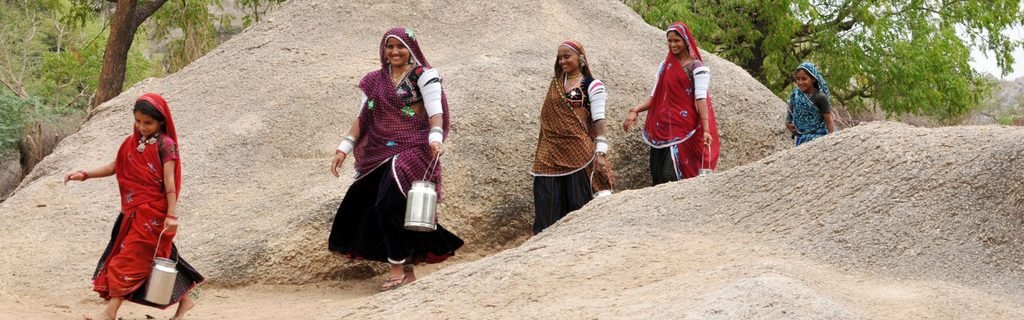
One of the clearest signs of this shift can be seen in producer organisations supported by NDDB. In its 2024-25 annual report, NDDB Dairy Services said it supported 23 Milk Producer Organisations, with 16 of them being women-led. These organisations collectively collected more than 60 lakh kg of milk per day from over 32,000 villages.
The numbers show why women’s participation deserves more attention in dairy industry news. This is not simply about adding more women to a membership list. It is about creating women-led organisations that participate in the business of collecting, managing and marketing milk.
Indian Dairy Industry Growth Has A Rural Face
Indian Dairy Industry growth is often discussed through production numbers, milk prices, processing capacity and exports. But there is another side to the story. The country’s dairy economy is deeply connected with rural households. Government’s latest statistics show that milk production reached 247.87 million tonnes in 2024-25, while India continues to lead the world in milk production.
At the same time, Uttar Pradesh, Rajasthan, Madhya Pradesh, Gujarat and Maharashtra remain among the country’s biggest milk-producing states. Haryana also contributed about 5.08% of India’s total milk production in 2024-25. Behind these numbers are millions of households where dairy animals are part of everyday rural life and in many of those homes, women are doing a significant share of the work.
Women dairy farmers in India?
The next phase of the Indian dairy industry may depend not only on producing more milk but also on making the dairy value chain more inclusive. Better access to bank accounts, digital payments, animal healthcare, training, technology and organised markets can make it easier for rural women to participate directly in the dairy economy.
NDDB has already been working on programmes focused on women’s participation, leadership and governance within dairy cooperatives opportunity now is to take that participation further. Women can move from being unpaid contributors inside the household to recognised dairy producers, cooperative members, entrepreneurs and leaders.
Dairy industry news From India
India dairy industry is entering a phase where scale and inclusion are becoming equally important. The country is already the world’s largest milk producer. The next question is who benefits from that growth. If more rural women gain direct access to dairy income, organised markets and leadership opportunities, India’s dairy growth could create an impact that goes far beyond milk production.
That is why the future of the India dairy industry is not just a story about cows, buffaloes, milk collection and processing plants. It is also a story about rural women building stronger economic identities — one litre of milk at a time.