

Now Reading: Cottage Cheese: Protein, Nutrition, Benefits and How to Eat It
-
01
Cottage Cheese: Protein, Nutrition, Benefits and How to Eat It

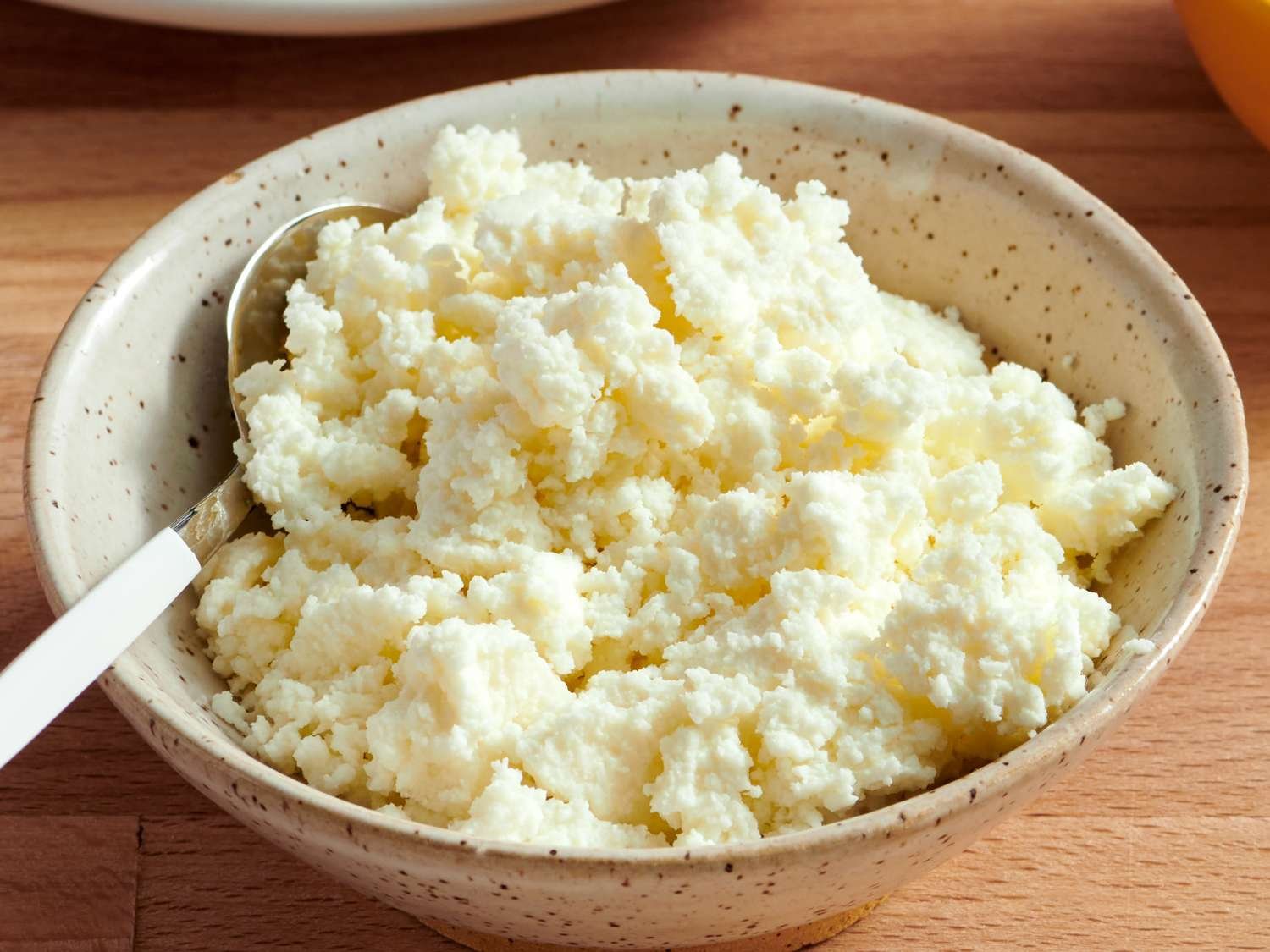
Cottage cheese is having a comeback. Once known mainly as an old-school diet food, it has become one of the most talked-about dairy products in the US. Social media, high-protein diets and growing interest in simple foods have pushed cottage cheese back into grocery carts.
Sales have continued to rise in recent years. US cottage cheese sales reached about 746.6 million pints in 2025, following another year of strong growth.
So what makes cottage cheese so popular, and is it actually a good source of protein?
What Is Cottage Cheese?
Cottage cheese is a fresh cheese made by curdling milk. The curds are separated from the whey and then combined with a creamy dressing, depending on the product.
Unlike aged cheeses such as cheddar or Parmesan, cottage cheese is not matured for a long period. It is soft, moist and usually has a mild, slightly tangy taste.
Different varieties are available, including:
- Full-fat cottage cheese
- Low-fat cottage cheese
- Fat-free cottage cheese
- Lactose-free cottage cheese
- Whipped cottage cheese
- Flavored cottage cheese
- High-protein cottage cheese
Texture can also vary from small curds to larger curds and smoother whipped versions.
Is Cottage Cheese High in Protein?
Yes. Protein is one of the main reasons cottage cheese has become popular again.
A typical 100-gram serving of low-fat cottage cheese provides around 11 grams of protein, although the amount varies between products and brands.
Much of the protein in traditional cottage cheese comes from casein, a milk protein that is digested more slowly than some other proteins.
That makes cottage cheese an easy option for people looking to add more protein to meals without relying entirely on protein powders or shakes.
Some newer products are pushing protein levels even higher. In 2026, Dairy Farmers of America launched MULU, a cottage cheese product containing 18 grams of complete protein per half-cup serving.
Cottage Cheese Nutrition
Nutrition depends on the type and brand you buy.
For around 100 grams of low-fat 2% cottage cheese, USDA-based figures cited by UCLA Health list approximately:
| Nutrient | Amount |
|---|---|
| Calories | 84 |
| Protein | 11 g |
| Carbohydrates | 4.3 g |
| Fat | 2.3 g |
| Sugar | 4.1 g |
| Fiber | 0 g |
Cottage cheese also provides nutrients including calcium, phosphorus, potassium and vitamin B12.
The exact numbers can change considerably depending on fat level, serving size and whether sugar, fruit or other ingredients have been added.
Why Is Cottage Cheese Trending Again?
Cottage cheese isn’t suddenly a new food. The change is in how people are using it.
Protein has become a major food trend in the US. Research and industry reporting show consumers increasingly looking for convenient foods that provide more protein. Cargill reported that about 70% of Americans said in 2025 that they were trying to consume more protein.
Cottage cheese fits that demand because it is:
- High in protein
- Easy to eat
- Relatively affordable
- Available in most major grocery stores
- Useful in both sweet and savory foods
- A natural dairy product rather than a protein powder
Social media has also changed how people see it.
Instead of eating cottage cheese straight from the container, people are blending it into dips, sauces, pancakes, smoothies and desserts.
Food Network and Bon Appétit were still publishing cottage cheese recipe collections in 2026, showing how far the ingredient has moved beyond its traditional image.
Cottage Cheese vs Greek Yogurt
Cottage cheese and Greek yogurt are often compared because both are popular high-protein dairy foods.
Both can provide high-quality, complete protein, meaning they contain all nine essential amino acids.
The better choice depends on what you want from the food.
Choose cottage cheese if you want:
- A savory option
- A soft cheese texture
- A versatile cooking ingredient
- A protein-rich snack
- Something that works in both sweet and savory recipes
Choose Greek yogurt if you prefer:
- A smoother texture
- A tangier yogurt flavor
- A breakfast-style food
- A base for smoothies or sauces
There is no universal winner. Both can have a place in a balanced diet.
Is Cottage Cheese Good for You?
For many people, cottage cheese can be a useful part of a balanced diet because it provides protein and several essential nutrients.
Its protein content can also make it more filling than foods that contain little protein. UCLA Health notes that protein-rich foods can support fullness and that cottage cheese’s casein content is digested relatively slowly.
But “healthy” depends on the product.
Check the nutrition label before buying. Some cottage cheese products can be relatively high in sodium, while flavored varieties may contain added sugar.
If you are watching sodium, saturated fat, carbohydrates or calories, compare different brands rather than assuming every cottage cheese product has the same nutritional profile.
Is Cottage Cheese Good for a High-Protein Diet?
Cottage cheese can be an easy way to increase protein intake.
It works particularly well as:
Breakfast:
Cottage cheese with berries, fruit or oats.
Snack:
Cottage cheese with vegetables, herbs or whole-grain crackers.
Lunch:
Use it in wraps, bowls or salads.
Dinner:
Blend it into sauces or add it to pasta and baked dishes.
Dessert:
Blend cottage cheese with fruit or other ingredients for a creamy high-protein option.
The important point is that cottage cheese is a food, not a magic weight-loss product. Its nutritional value depends on the overall diet and the specific product.
Is Cottage Cheese Keto-Friendly?
Plain cottage cheese can fit into a low-carbohydrate or keto-style diet, but the carbohydrate content varies by product.
Always check the nutrition label.
Plain versions generally contain relatively little carbohydrate compared with many grain-based or sugary snack foods. Flavored varieties may contain more carbohydrates because of added ingredients.
For anyone following a medically prescribed diet, individual nutritional requirements should take priority over general food trends.
How to Eat Cottage Cheese
One reason cottage cheese has become popular is its flexibility.
Sweet
Try it with:
- Strawberries
- Blueberries
- Bananas
- Peaches
- Honey
- Cinnamon
- Nuts
Savory
Try it with:
- Tomatoes
- Cucumber
- Avocado
- Black pepper
- Herbs
- Eggs
- Toast
For cooking
Cottage cheese can also be blended into:
- Pasta sauces
- Dips
- Pancakes
- Smoothies
- Baked dishes
- Cheesecake-style desserts
Blending changes the texture and can make cottage cheese easier to use in recipes where people don’t want visible curds.
What Should You Look for When Buying Cottage Cheese?
Start with the nutrition label.
Look at:
Protein: Compare products if protein is your main reason for buying it.
Sodium: Some products contain considerably more sodium than others.
Added sugar: Plain cottage cheese generally gives you more control over sweetness.
Fat: Choose full-fat, low-fat or fat-free according to your dietary needs and preferences.
Ingredients: A shorter ingredient list may appeal to shoppers who prefer simpler products, but the best choice still depends on the individual product and your dietary needs.
Why Cottage Cheese Could Be More Than a Food Trend
Cottage cheese is becoming interesting not only for consumers but also for the dairy industry.
The growth is part of a wider shift toward protein-rich dairy products. Arla reported in August 2026 that demand for products such as skyr, cottage cheese and protein shakes was helping offset weaker milk prices.
That creates opportunities across the dairy supply chain.
Farmers can respond to demand for higher-protein milk components. Manufacturers can develop new cottage cheese formats. Brands can compete through protein levels, flavors, lactose-free options and convenience.
In other words, cottage cheese is no longer simply an old product returning to supermarket shelves.
It is becoming part of a much larger conversation about protein, dairy innovation and how consumers eat.
The Bottom Line
Cottage cheese has gone from a forgotten dairy staple to one of the most interesting products in today’s protein-focused food market.
It provides protein, calcium and other nutrients, works in both sweet and savory dishes, and can be found in products ranging from traditional cottage cheese to newer high-protein versions.
The trend is worth watching because consumer interest is not limited to social media. Sales growth and new product launches suggest that cottage cheese has become a serious part of the modern dairy market.
For consumers, the best approach is simple: check the label, choose the product that fits your needs, and use cottage cheese as one part of a balanced diet.












Pingback: Indian Dairy Industry: How Women Are Changing India’s Milk Economy