Live The High Life
Real offroad expeditions, routes, and rallies.
Live The High Life
Real offroad expeditions, routes, and rallies.

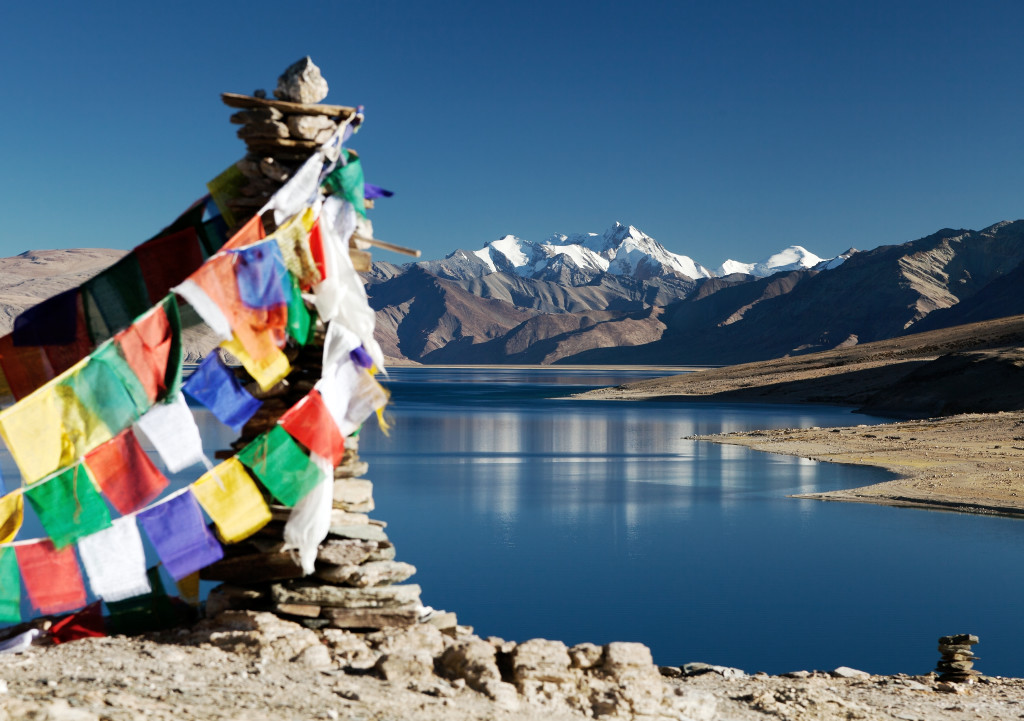
Getting a Ladakh permit online has never been easier — but most travelers are still searching based on outdated information. The rules changed in 2021, and a lot of travel blogs still haven’t caught up.”
If you’re planning a Ladakh expedition this season — whether it’s Pangong Tso, Nubra Valley, Hanle, or Umling La — here’s the actual current process, not the 2019 version someone copy-pasted off a forum.
Technically, no. Indian tourists do not need a separate Inner Line Permit (ILP) anywhere in Ladakh in 2026. The ILP was replaced by the Ladakh Environment and Development Fee (EDF) in 2021.
What you actually do now is register online, pay the fee, print the receipt, and carry it with you. That receipt is what gets checked at army and police checkpoints throughout the region.
Foreign nationals still need a Protected Area Permit (PAP) processed through a registered Leh agent. That part has not changed.
The EDF is a simple fee structure that replaced the old ILP system for Indian citizens. For a 7-day trip, the total cost works out to roughly ₹590 per person — ₹400 one-time environment fee, ₹140 wildlife fee at ₹20 per day, and ₹50 optional Red Cross Fund contribution.
Here’s the full breakdown:
| Fee Type | Amount |
|---|---|
| Environment / Green Fee | ₹400 per person (one-time per year) |
| Wildlife Fee | ₹20 per person per day |
| Red Cross Fund | ₹50 per person (optional) |
| 7-day trip total | ~₹590 per person |
The receipt is valid for 21 days.
Also Read:- Ladakh Expedition via Srinagar: Route, Plan & Full Circuit Breakdown
The Ladakh permit online 2026 process is now almost entirely online. Here’s exactly how to do it:
Step 1: Go to the official portal — lahdclehpermit.in
Step 2: Register or log in with your details
Step 3: Fill in traveler information — name, ID type, ID number
Step 4: Select all the protected areas you plan to visit (Nubra, Pangong, Hanle, Umling La, etc.)
Step 5: Choose your travel dates
Step 6: Pay online via credit/debit card, net banking, or UPI
Step 7: Download the receipt and print multiple copies — carry at least 5–6 photocopies per group member before leaving Leh, as you hand over a physical copy at every major checkpoint.
Pro tip: Apply for more areas than you plan to visit. It gives you flexibility without any extra cost. Even if you’re only going to Pangong, add Nubra and Hanle while you’re at it.
One permit document usually covers several restricted places — Nubra Valley, Pangong Lake, Hanle, and Tso Moriri. You do not apply separately for each valley.
Here’s a quick reference for the major passes and areas:
| Destination | Permit Required | Notes |
|---|---|---|
| Khardung La | No | Open road, no restricted zone |
| Chang La / Pangong Tso | Yes (EDF) | Standard permit covers this |
| Nubra Valley | Yes (EDF) | Via Khardung La or Shyok |
| Tso Moriri / Tso Kar | Yes (EDF) | Changthang region |
| Hanle | Yes (EDF) | Indians can access; foreigners have restrictions |
| Umling La Pass | Yes (EDF) | Indians only; foreigners can ride to Umling La but the permit must explicitly list the “Hanle – Umling La” route |
| Siachen Base Camp | Special clearance | Requires in-person application at Leh DC Office with a valid medical fitness certificate |
Also Read:- Umling La Pass (2026): Route, Height, Weather, Map & Complete Travel Guide
If you’re a foreign national or OCI holder, the process is different. You need a Protected Area Permit (PAP). The online portal for foreigners at lahdclehpermit.in requires you to list a local sponsor or registered travel agent, and the payment gateway often restricts foreign cards or leaves the permit in “Pending” status until a local agent physically verifies it at the DC Office.
Permits are valid for a maximum of 15 days for foreigners and up to 3 weeks for Indian citizens.
As of 2026, Hanle is open to foreign nationals, but you must stay in registered “Astro-stays” and cannot wander off designated roads near the observatory.
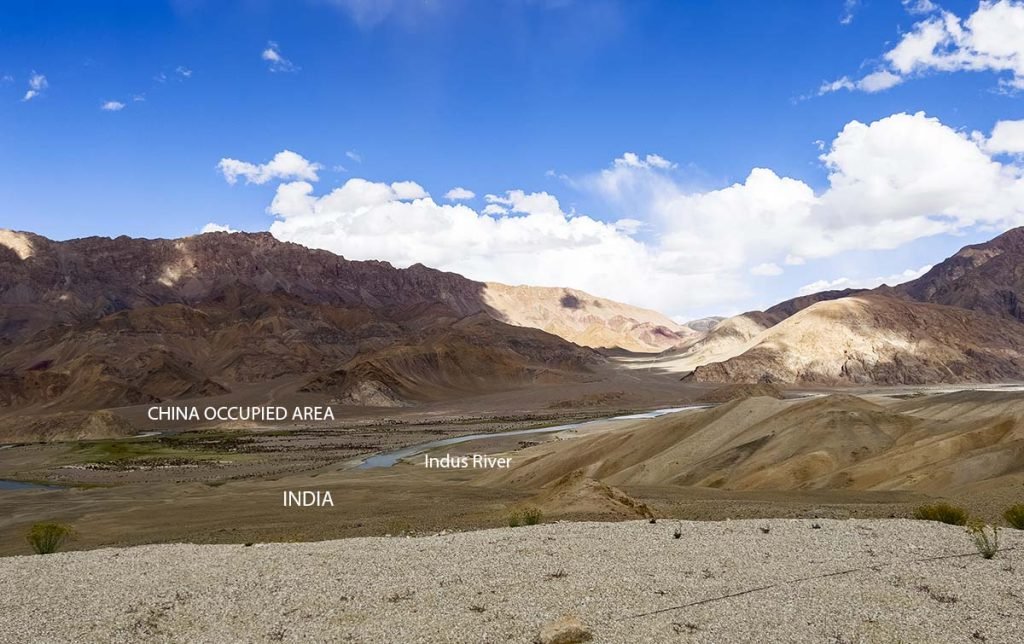
Yes. You can get a permit offline by visiting the Deputy Commissioner’s office in Leh. The DC office works Monday to Saturday, and during the busy spring and summer season the counter even opens on Sundays. Staff process most applications within a few hours if the queue stays light.
That said, getting it done online before you leave saves you the hassle of chasing paperwork on Day 1 of your trip.
The portal usually allows applications a few weeks to a month in advance, but it’s best to apply 2–5 days before your arrival to ensure your dates are confirmed. The portal can sometimes face technical glitches or payment failures, so don’t leave it for the night before.
For Indian citizens:
For foreign nationals:
Enforcement at army checkpoints is stricter than ever in 2026 due to increased border sensitivities. Do not assume a digital screenshot on your phone will work everywhere. Print multiple hard copies and keep them accessible — not buried at the bottom of your bag.
Checkpoints on routes like Chang La, Khardung La, and the Hanle corridor are active and thorough. If your permit doesn’t list a destination you’re heading toward, you will be turned back.
| Detail | Info |
|---|---|
| Official Portal | lahdclehpermit.in |
| Cost (Indians, 7 days) | ~₹590 per person |
| Validity | 21 days for Indians |
| Payment Modes | Credit/Debit, Net Banking, UPI |
| Accepted ID | Aadhaar, Passport, DL, Voter ID |
| Foreign Nationals | PAP via registered Leh agent |
| Offline Option | DC Office, Leh (Mon–Sat, Sun in season) |
The permit system for Ladakh in 2026 is genuinely simple for Indian travelers — register, pay, print, go. The confusion mostly comes from old blog posts still talking about queue lines in Leh and stacks of forms. None of that applies anymore.
What does still matter: carry printed copies, list every area you plan to visit when applying, and if you’re riding into restricted border zones like Umling La or Demchok, make sure those routes are explicitly mentioned on your receipt.
Get the paperwork sorted before you leave home and focus on the actual expedition — that’s what Ladakh demands your full attention for anyway.
Read More:- East Ladakh Expedition 2026: Once-in-a-Lifetime Overlanding