Live The High Life
Real offroad expeditions, routes, and rallies.
Live The High Life
Real offroad expeditions, routes, and rallies.

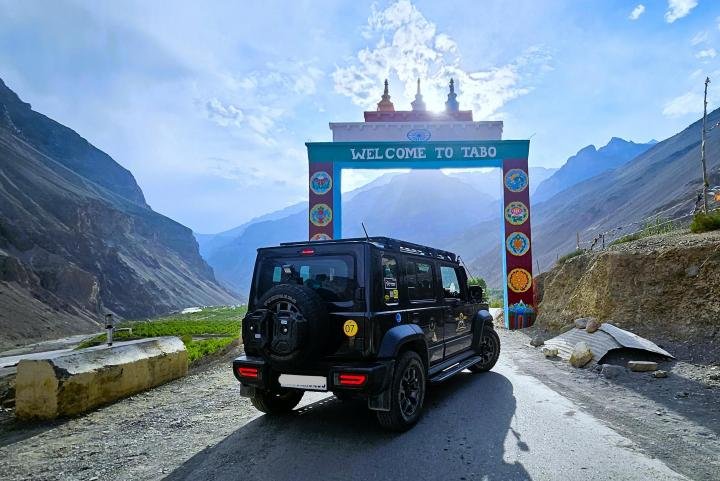
A road trip through the Spiti Valley Full Circuit is a must for every mountain and 4×4 enthusiast, trekker or nature lover. However, compared to Ladakh, this region remains harsh and desolate. The Spiti Valley is a cold desert mountain valley high in the Himalayas in the northeastern region of Himachal Pradesh. “Spiti” means “the middle land” and refers to the area between Tibet and India. The Spiti Valley is also one of the most sparsely populated areas in India.
I am not going to lie—this Spiti Valley Full Circuit is one of the most challenging drives I have ever done. Driving through these raw, unforgiving landscapes takes a lot more than just a desire to travel. You need real passion. But honestly, passion alone won’t cut it. That is the reality of Spiti. I am not saying this to scare you, but you need to be mentally and physically prepared before you even start your car.
Physical fitness is a huge deal here. You will be crossing different terrains and dealing with unpredictable weather. Because oxygen levels drop significantly at higher altitudes, I started doing breathing exercises and yoga a few months before my trip. I also took up swimming and cycling to build my endurance. It really helped me when I finally hit those high passes.
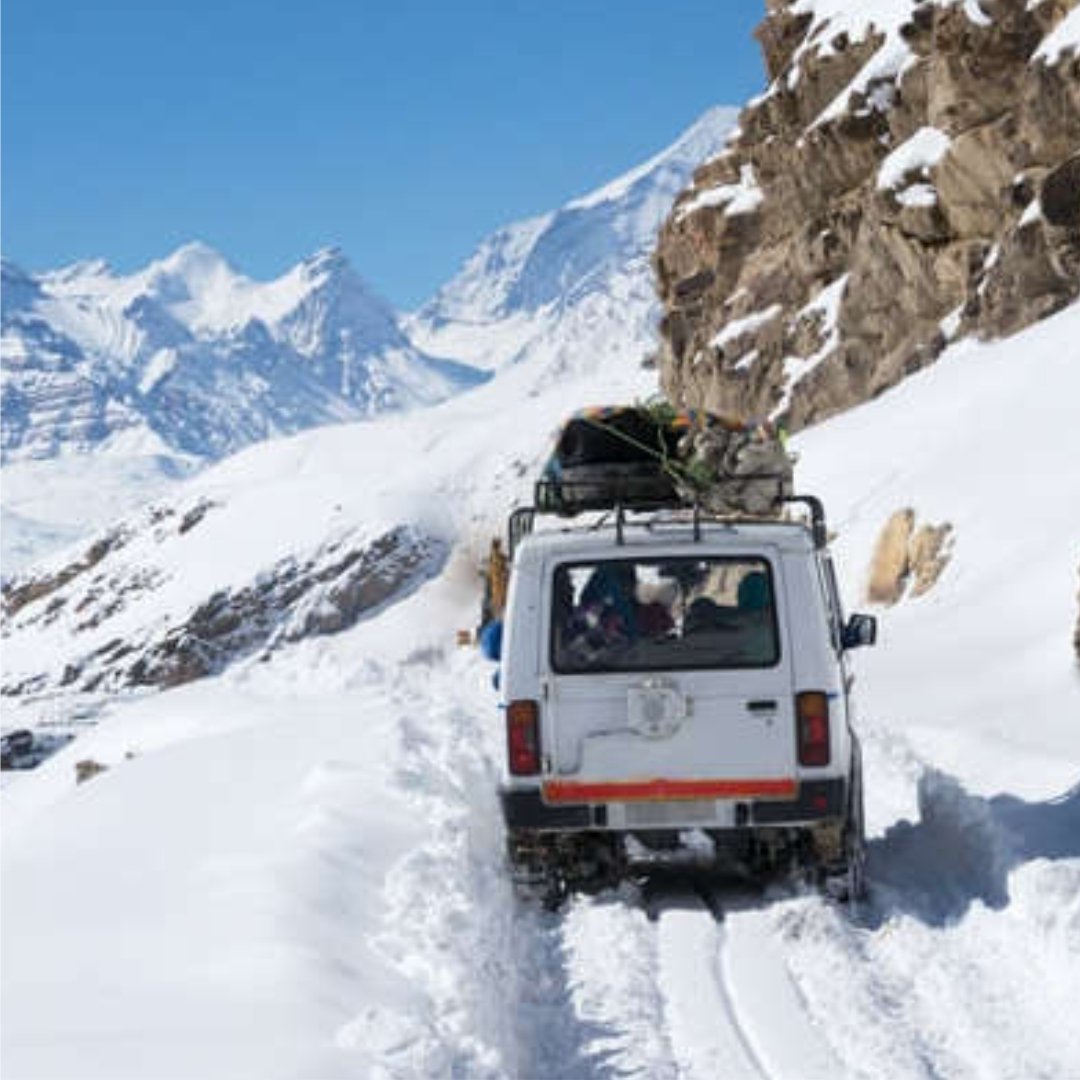
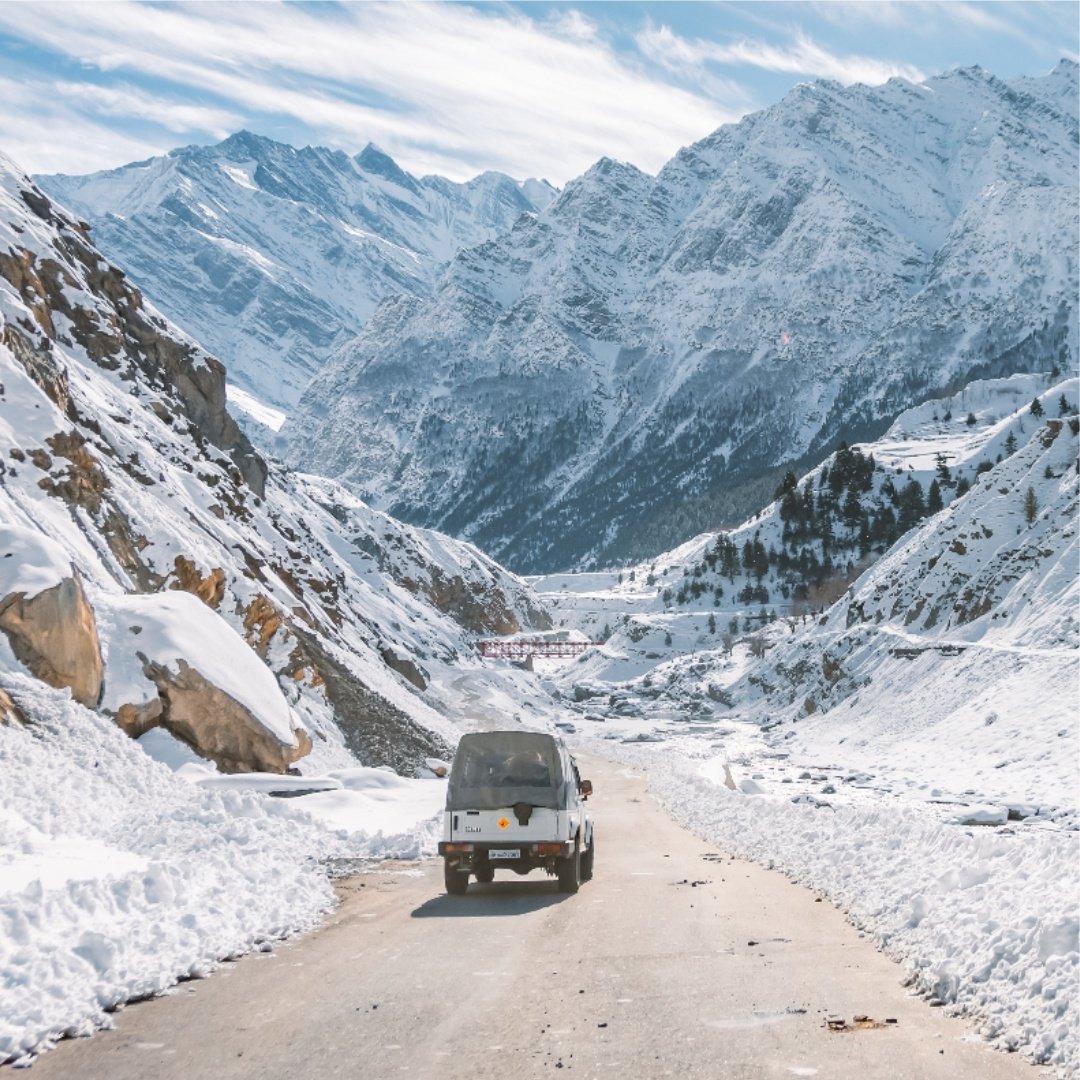
You can technically visit Spiti any time of the year, but it all depends on what you are looking for. The valley is accessible in both summer and winter. But between November and early March, the whole valley gets buried under thick snow, making it almost impossible to get around. During winter, the Manali-Kaza road is completely shut, and even the Shimla side becomes very difficult.
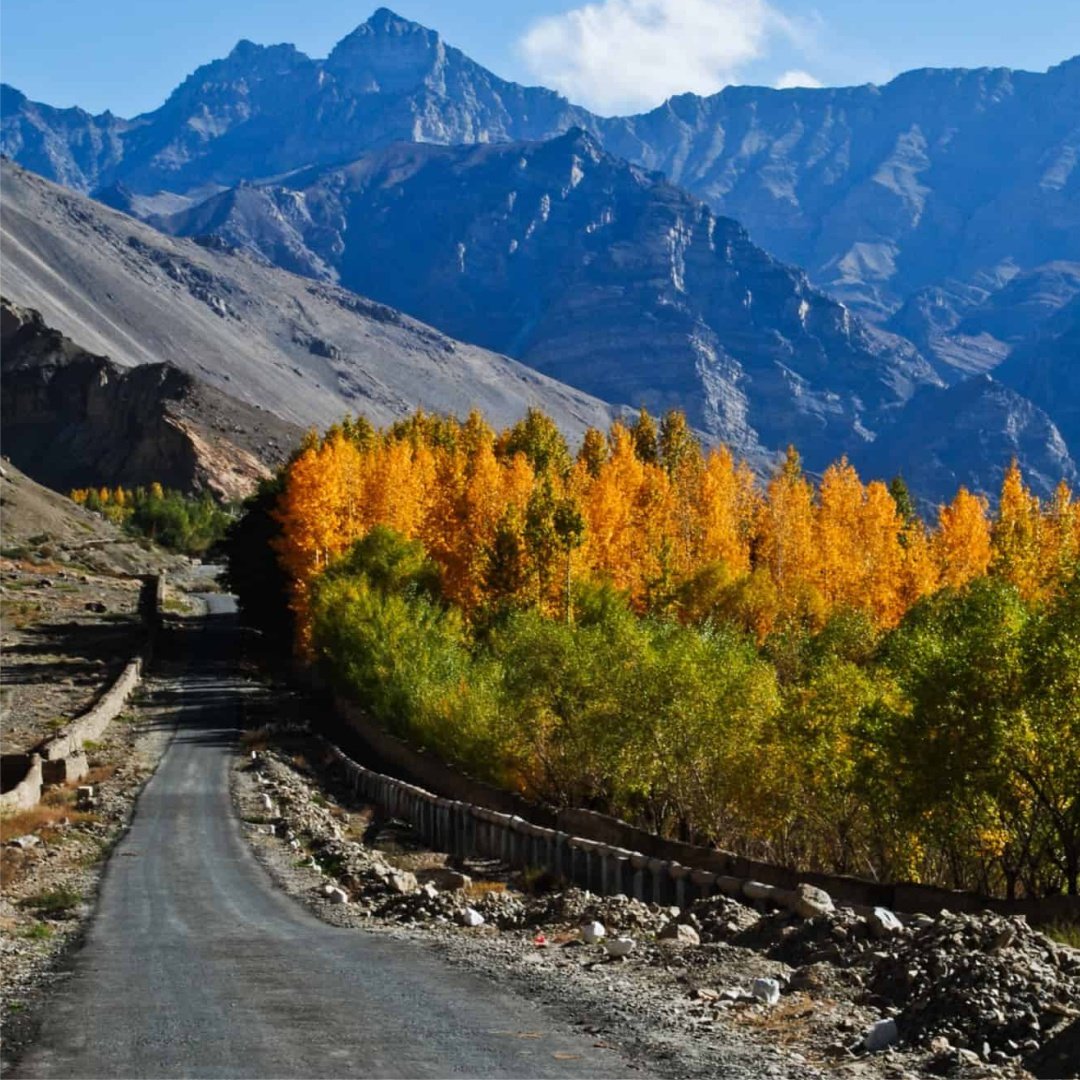
Winter trips to Spiti are often called the “White Spiti Trip,” but they are only for the very brave. In my opinion, the best time to go is from June to mid-October. By then, the snow has melted, the skies are clear, and both the Manali and Shimla roads are open. You will also find all the basic facilities like decent roads, hotels, and even public transport. If you are planning a Spiti Valley Full Circuit, I strongly recommend going between June and October.
To start your journey, you first need to reach Delhi or Chandigarh. You can get there by road, train, or flight. From there, you have two main routes to enter Spiti.
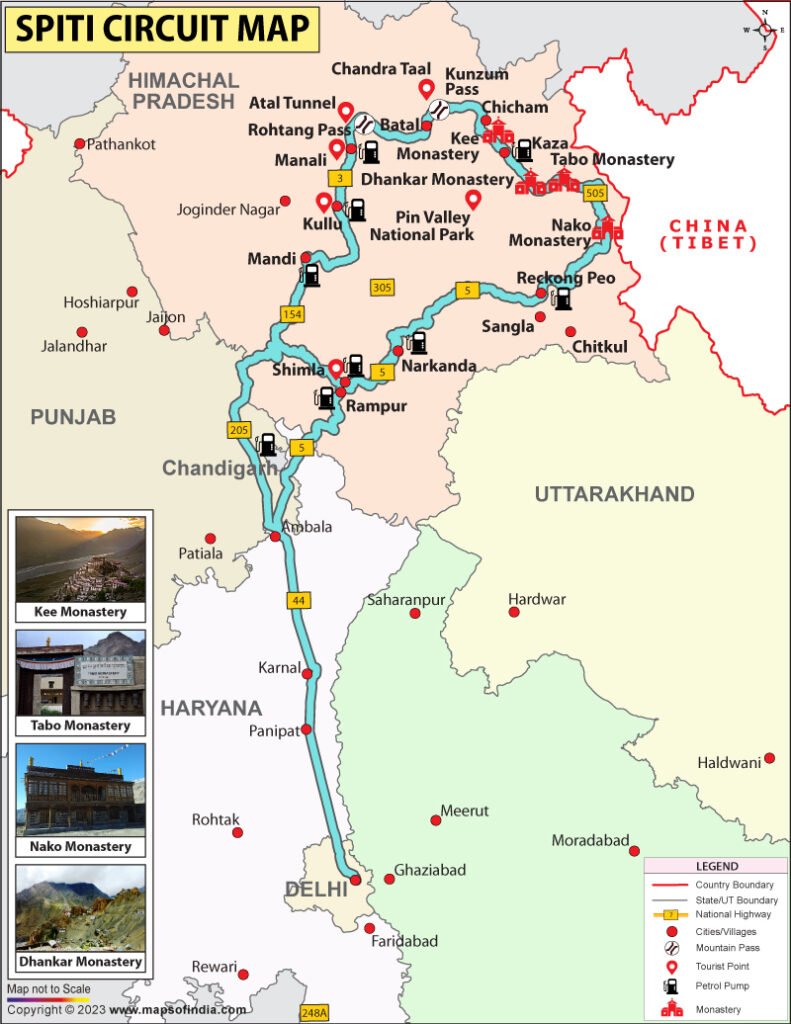
Route 1: Delhi/Chandigarh → Manali → Chandratal → Kunzum La Pass → Losar → Kaza → Tabo → Nako → Chitkul → Narkanda → Shimla → back to Delhi.
Route 2: Delhi/Chandigarh → Shimla → Narkanda → Chitkul → Nako → Tabo → Kaza → Chandratal → Manali → back to Delhi.
You can start from Manali and end at Shimla, or do the opposite. But personally, I would advise starting from Shimla. Why? Because it helps you get used to the high altitude gradually. Plus, you don’t need any special permits to cross Rohtang Pass when you start from Shimla. If you start from Manali, you have to get a permit from the DC office in Manali, which is an extra hassle.
A quick heads-up: Before you leave for the Spiti Valley Full Circuit from the Shimla side, always check if Kunzum Pass is open. Even if the Shimla road is open, you might only get as far as Losar. If Kunzum is closed, you will have to turn back the same way.
I have created a detailed map of the entire Spiti Valley Full Circuit, which you can download and print for your trip. I also suggest joining the Facebook page of Lahul Spiti Police for daily updates on weather and roadblocks.
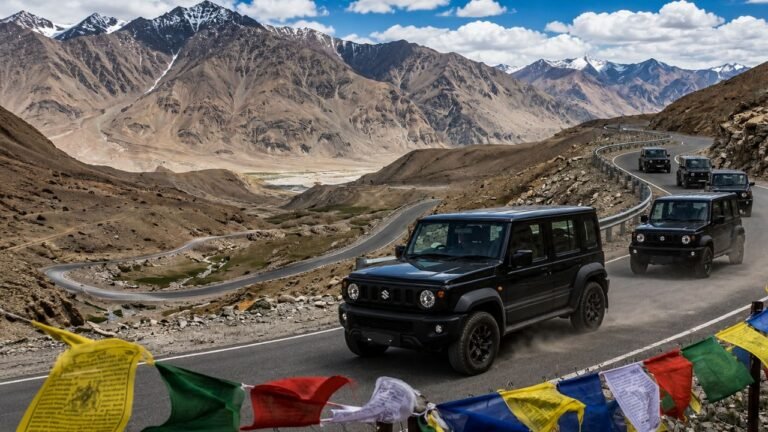
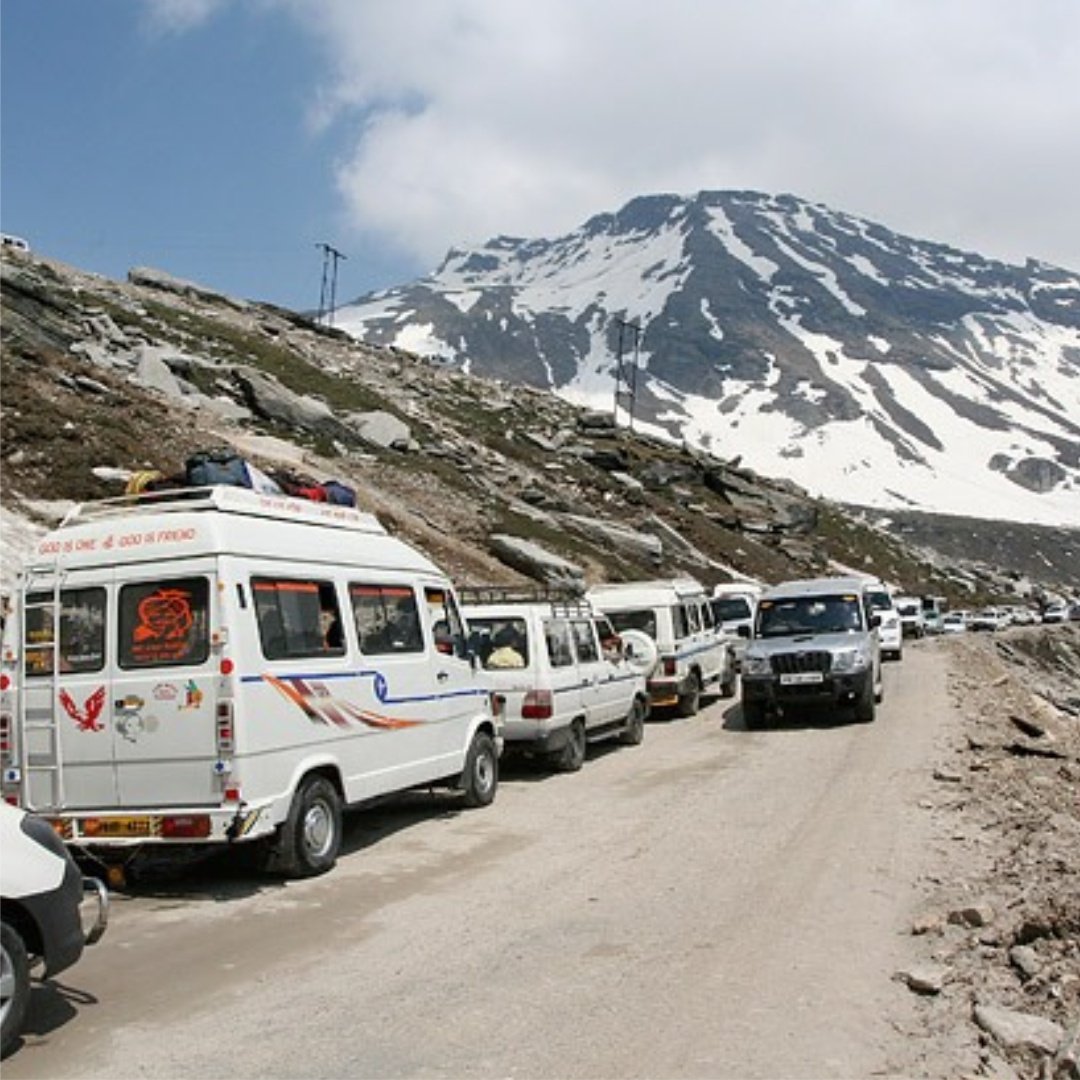
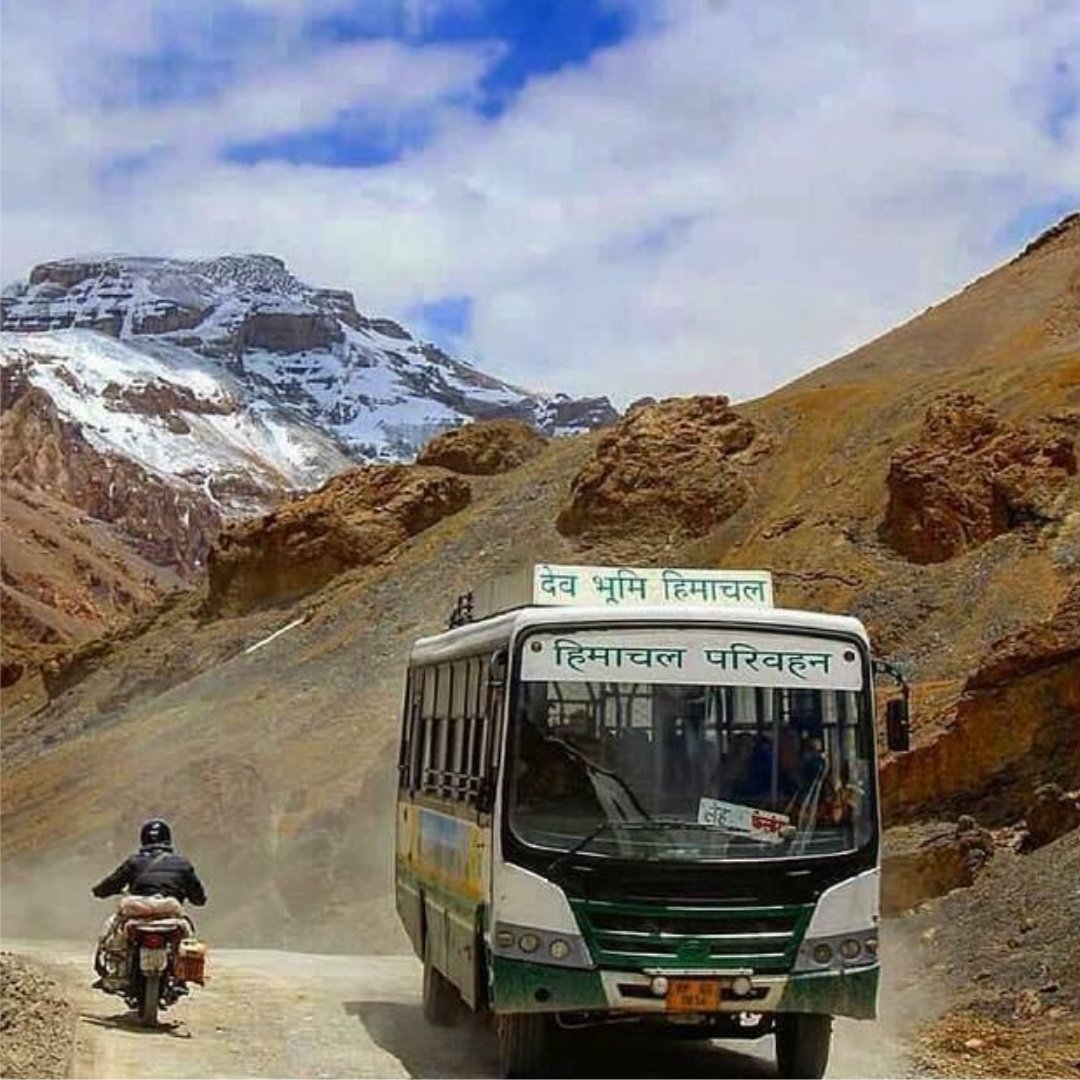
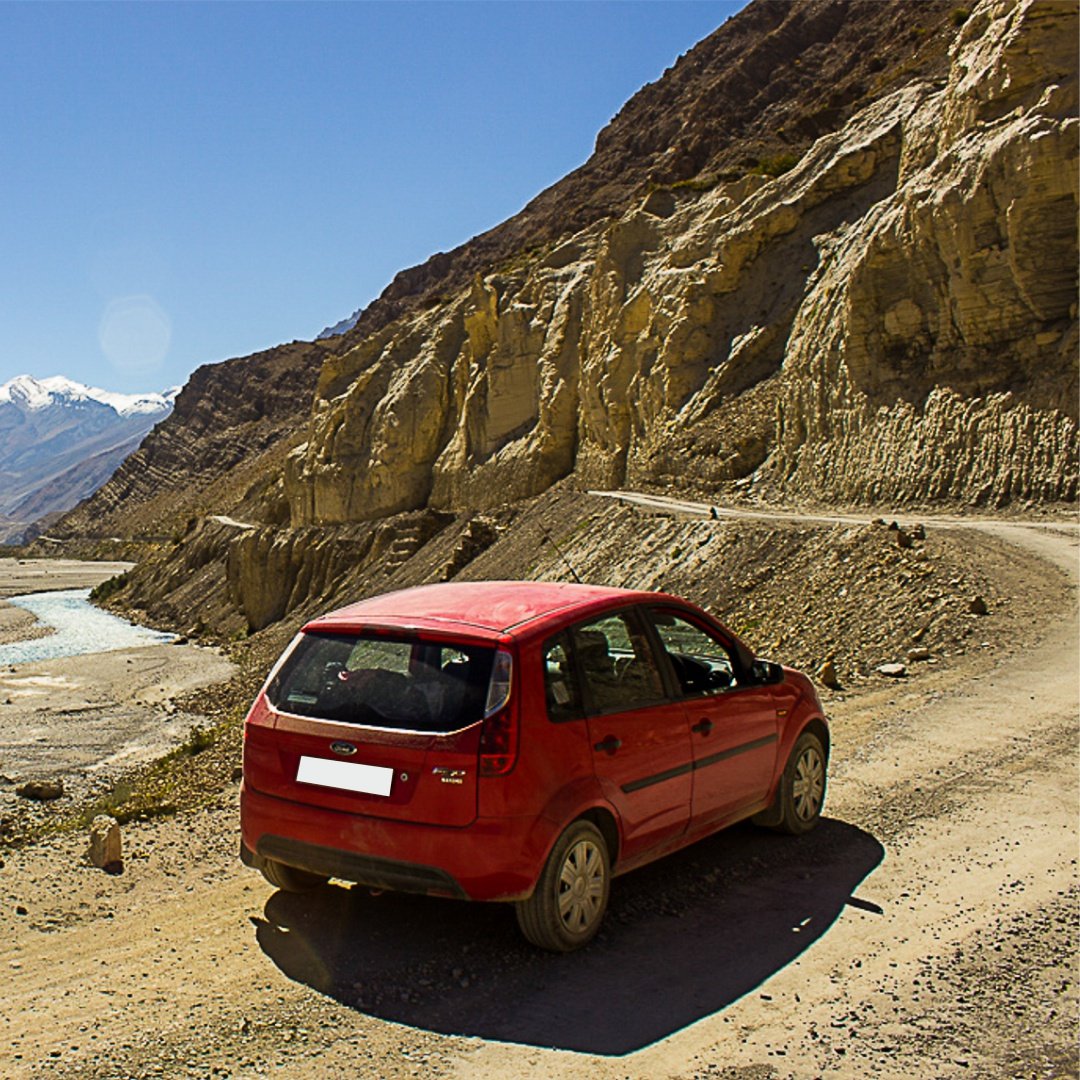
You can do this trip in a car, a bike, or even by HRTC bus. But if you ask me, I loved doing it in my Jimny. The feeling of driving a capable 4×4 through those mountains is just something else. Of course, it all depends on your budget and preference.
Your vehicle is the second most important thing on this trip—right after you. I personally own a Jimny, and I know exactly what it can and cannot do. Trust me, this drive will push your vehicle to its limits. That said, a passionate driver can take almost any vehicle anywhere. But if you want to be comfortable and safe, I recommend going with proper off-roader.
You will also need some essential accessories for your Vehicle. I have written a separate guide on touring accessories if you want to learn more. Visit Gear Section
If planning everything on your own feels overwhelming, you can always hire a travel agent. There are plenty in Delhi who organize these trips regularly. For budget travelers, HRTC buses are a great option. You can get regular buses from ISBT Delhi to the Lahaul Spiti circuit. You can book online at the HRTC website.
As I said earlier, the Shimla route is best for first-timers. So let me walk you through exactly how I did it. I drove all the way from Haryana’s small town, but I am starting this guide from Delhi.
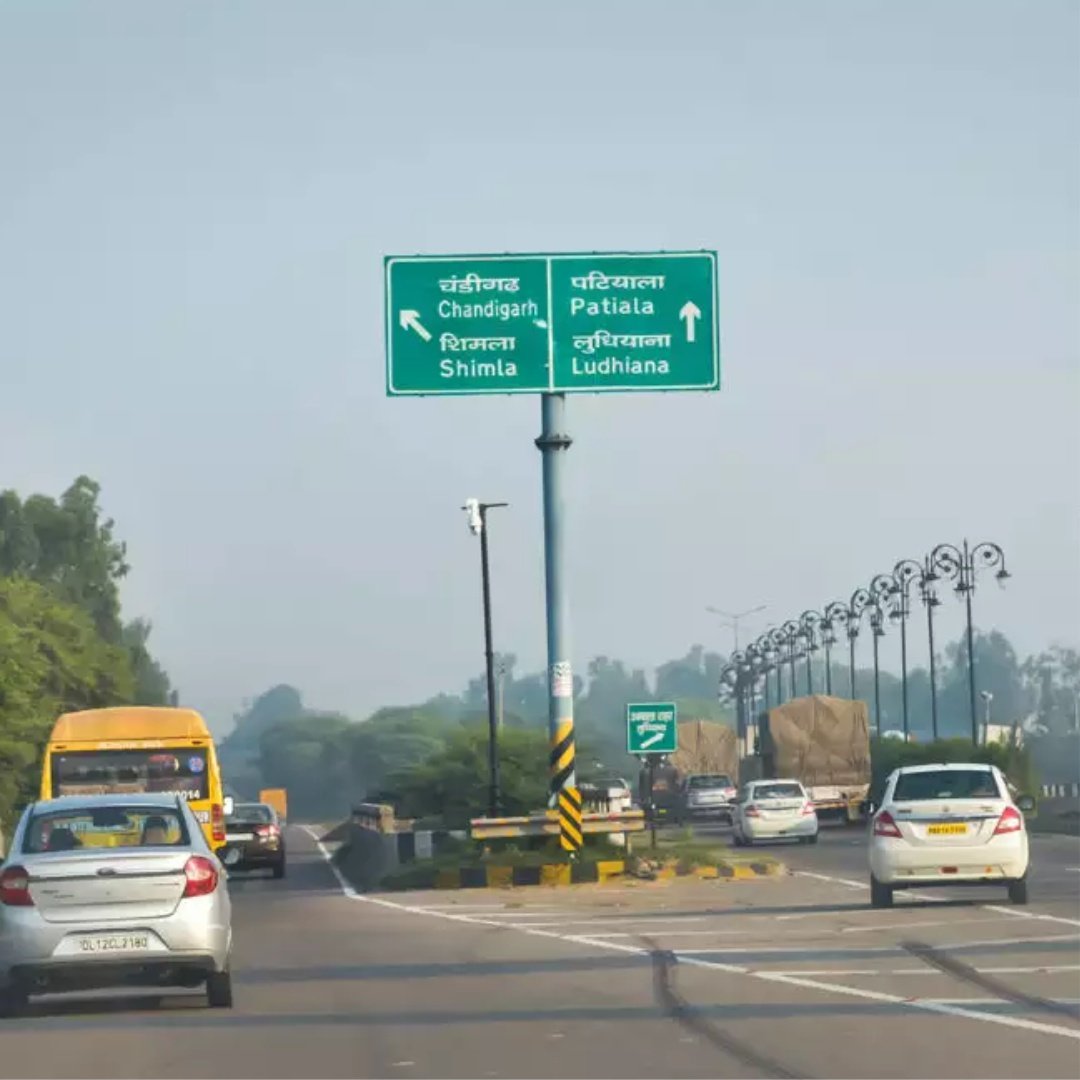
I started my journey as early as possible to avoid traffic. I took NH-44 and NH-5 from Delhi to Shimla via Chandigarh. If this is your first time on this route, you might want to stop in Shimla for a day to do some sightseeing. But if you are in a hurry, just keep going toward Narkanda or Rampur. There are plenty of budget hotels and homestays along the way. If you have extra time, spend a day in Narkanda—it is beautiful.
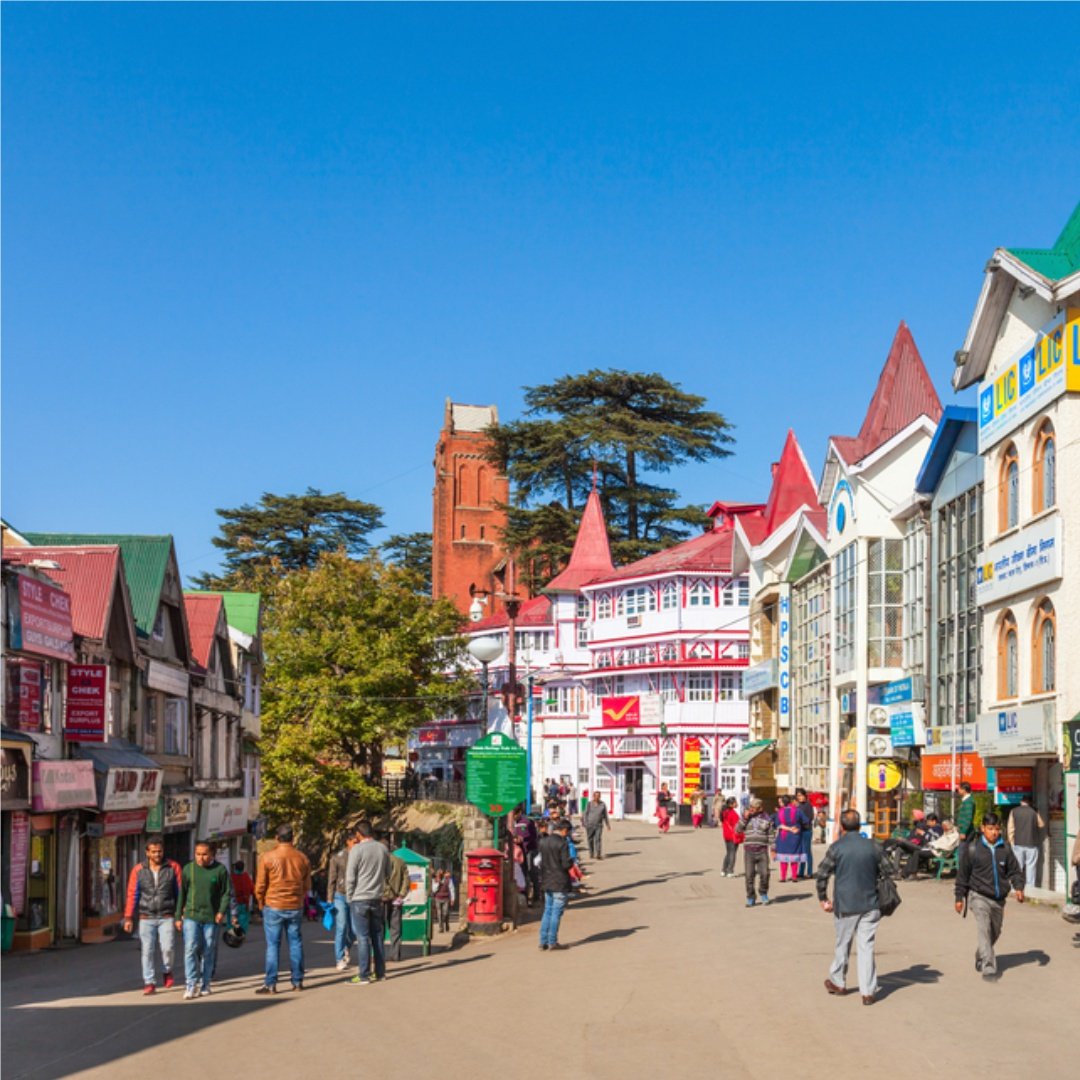
Shimla is one of those places that never gets old. It is called the Queen of Hills for a reason. From honeymooners to families, everyone loves this place. The Mall Road, the old churches, the library, and the British-era architecture are all worth seeing. I visited the Sankat Mochan Temple, the Indian Institute of Advanced Studies, the Army Museum, and the Jakhoo Temple. In the evening, I walked around because vehicles are not allowed in the main town. I saw the Ridge, Church, Lakkar Bazaar, Mall Road, Scandal Point, and Kali Bari Temple. It was the perfect time for some shopping and a nice dinner.
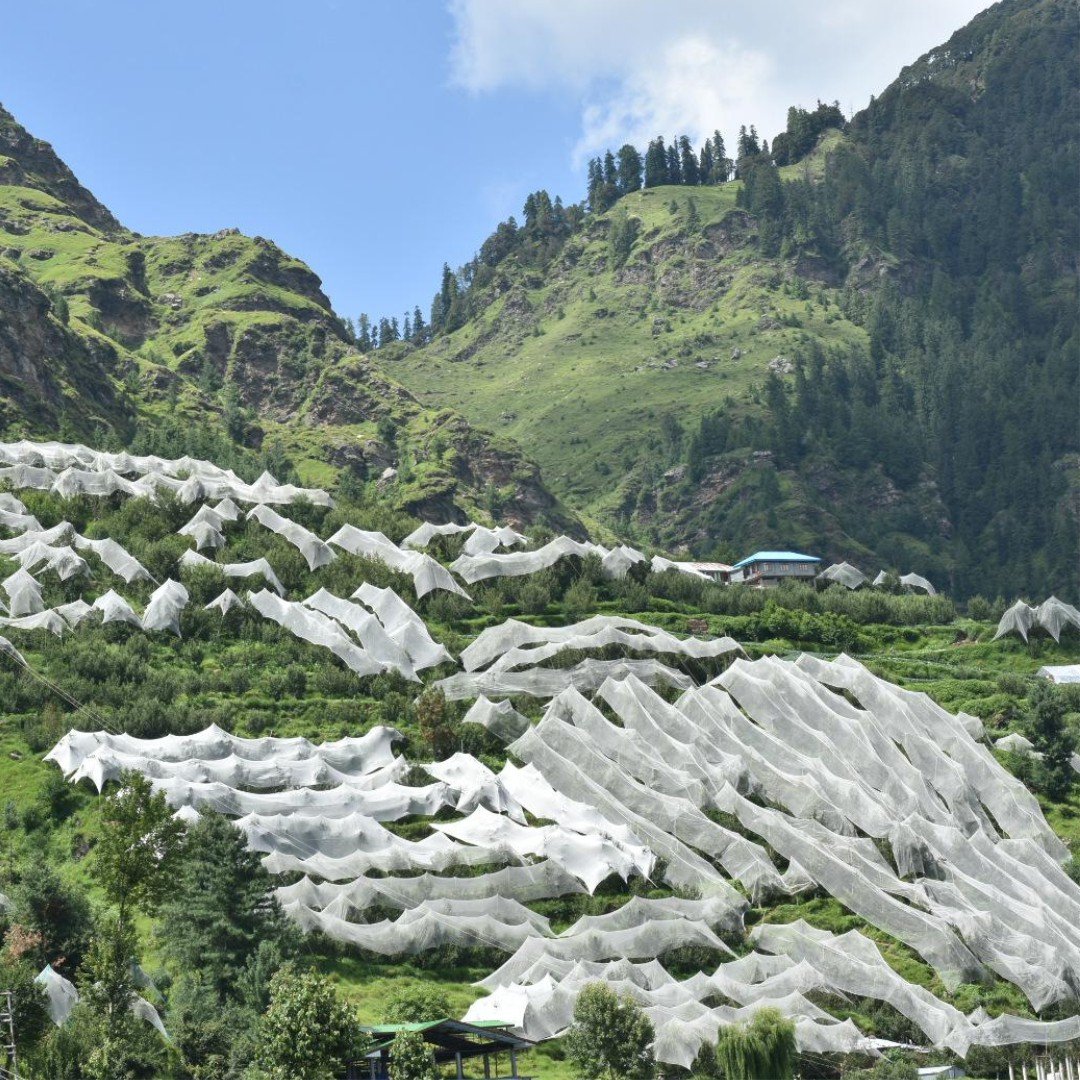
Narkanda sits at 2,708 meters (8,599 feet). It is peaceful and full of greenery. Apple and cherry orchards cover the hills, making it a photographer’s dream. I visited Tanni Jubbar Lake and Hatu Mata Mandir. If you like adventure, you can go trekking or even skiing in the winter. Hatu Peak is the second highest in Shimla district at 3,400 meters. The forests of pine, oak, rhododendron, and deodar are gorgeous year-round. In winter, it drops to -8°C at night, but summer is pleasantly cool.
I crossed Shimla around 5:30 pm and reached Shilaru by 7:30 pm. Shilaru is just 10 km before Narkanda. I stayed in a homestay there for Rs. 650 per night.
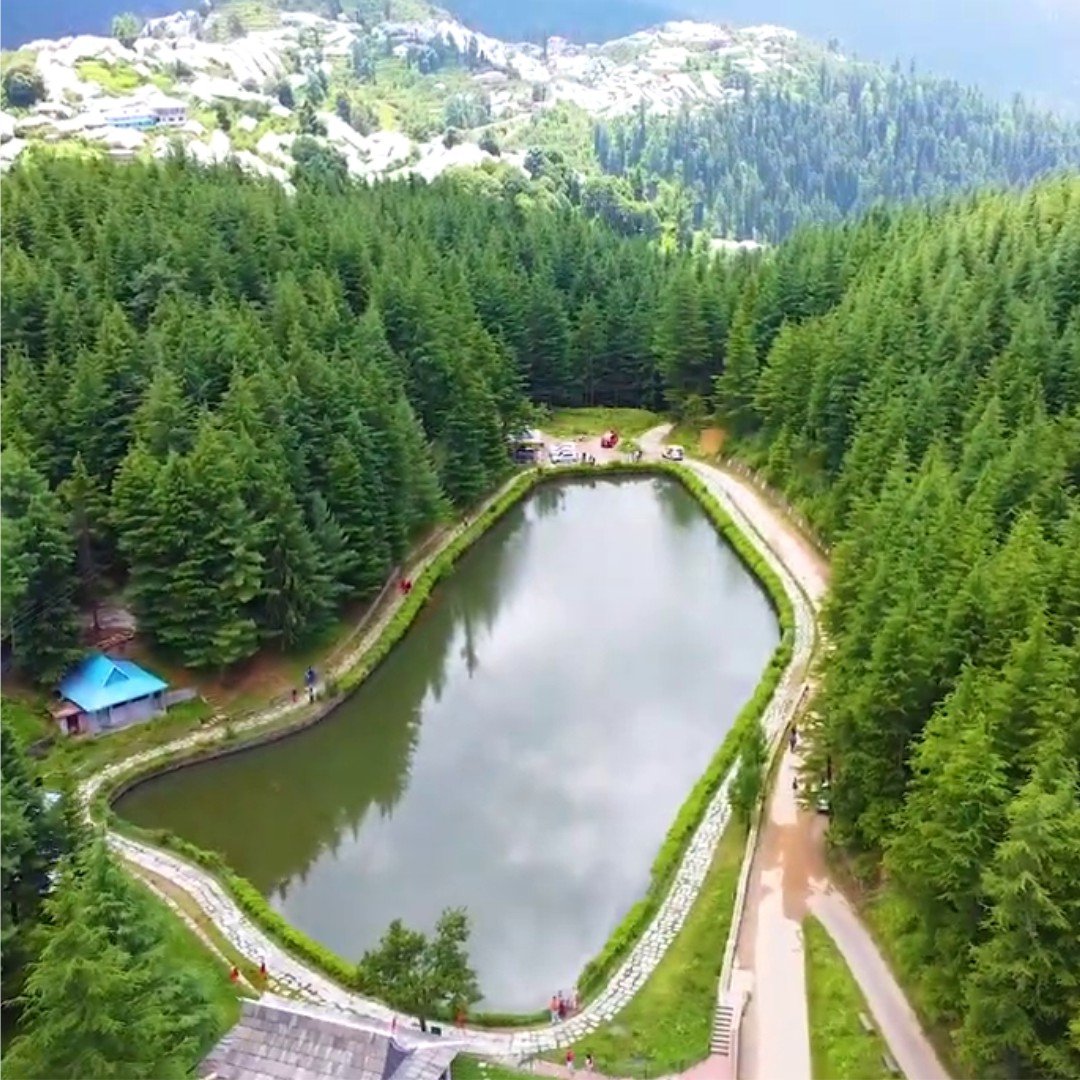
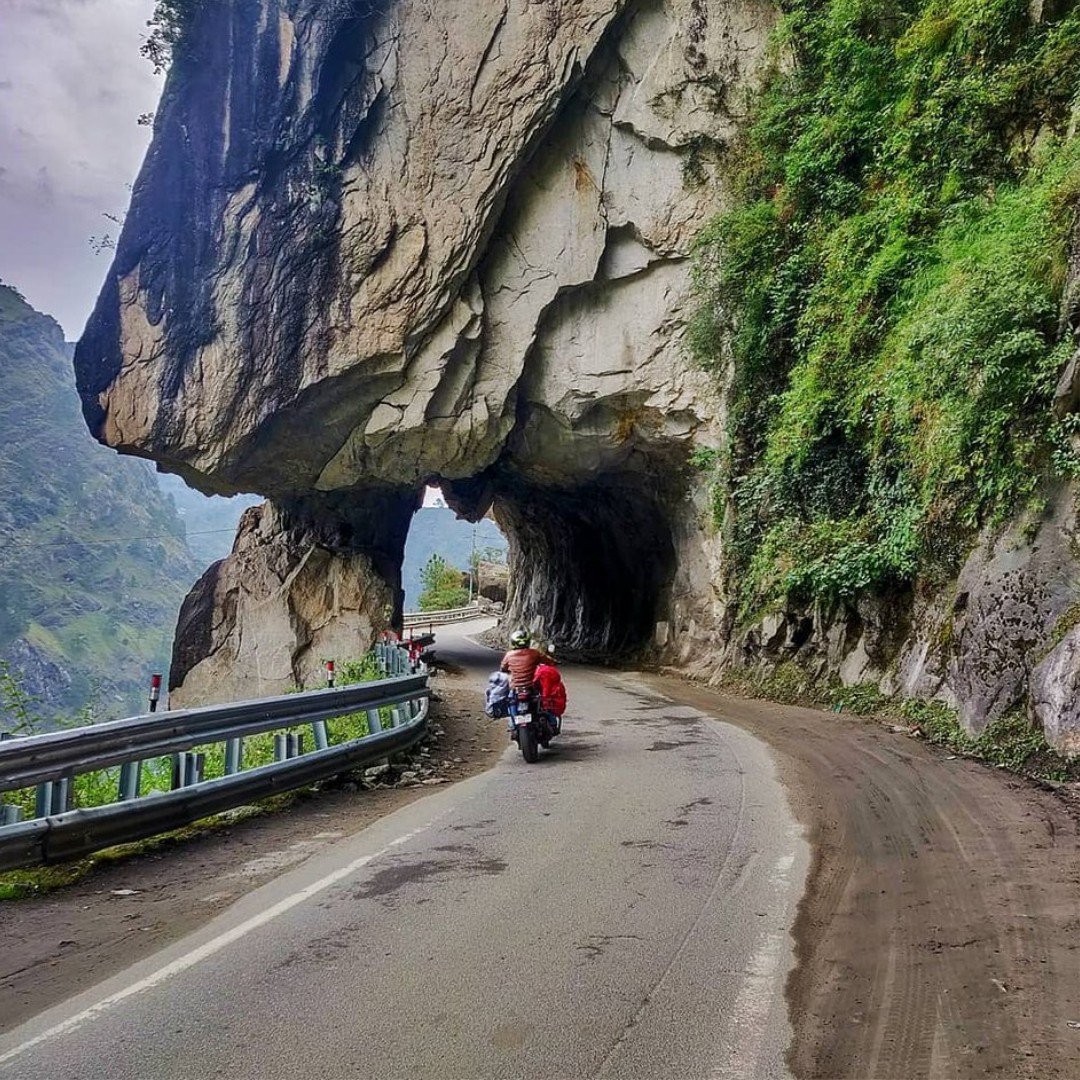
Chitkul was my next big stop, but there are plenty of scenic spots along the way. The Kinnaur Gateway, also called the Rock Tunnel, is a popular photo spot. It even appeared in Aamir Khan’s movie Lal Singh Chadda. In Rampur, I saw the big Hanumanji idol and the Mahishasur Mardini Temple.
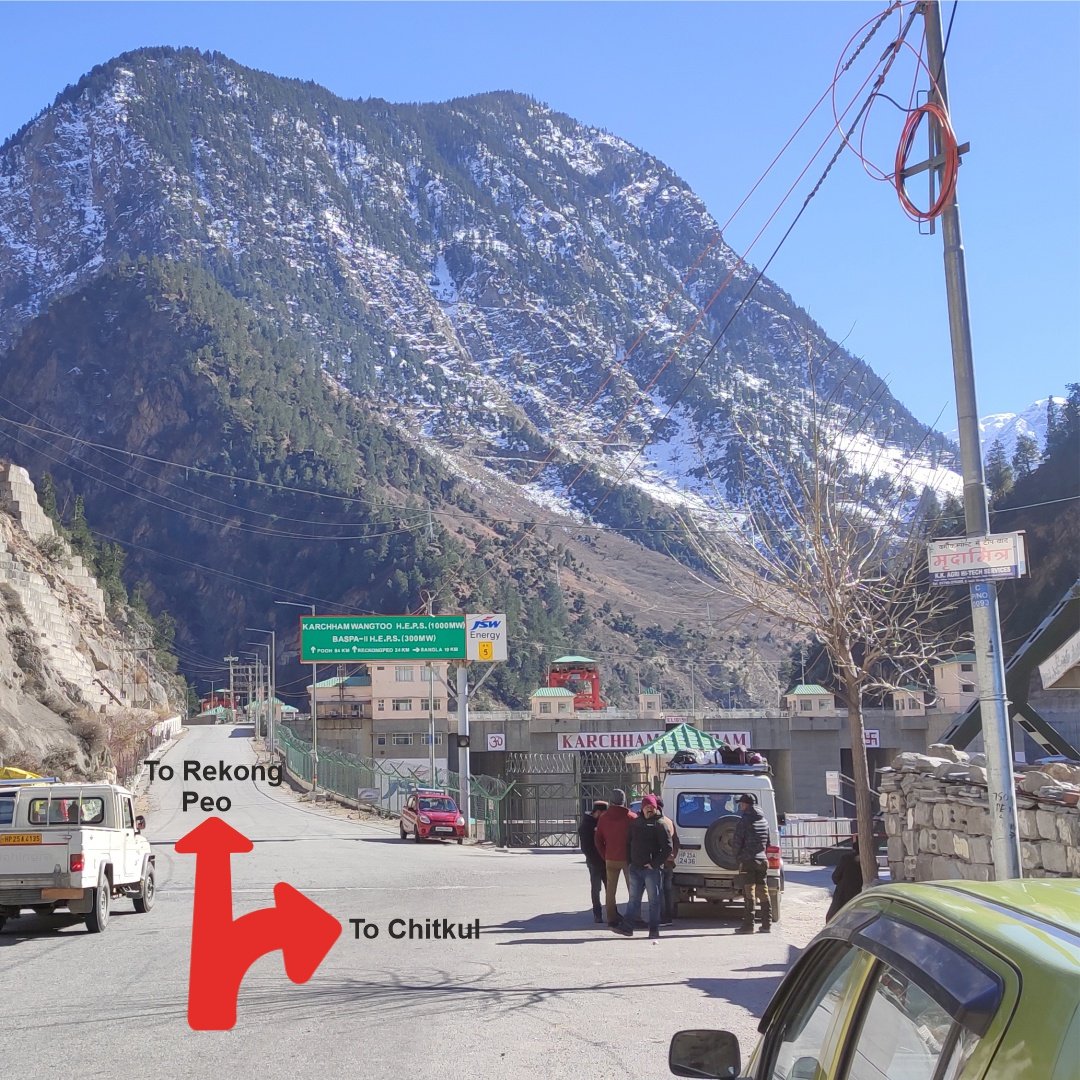
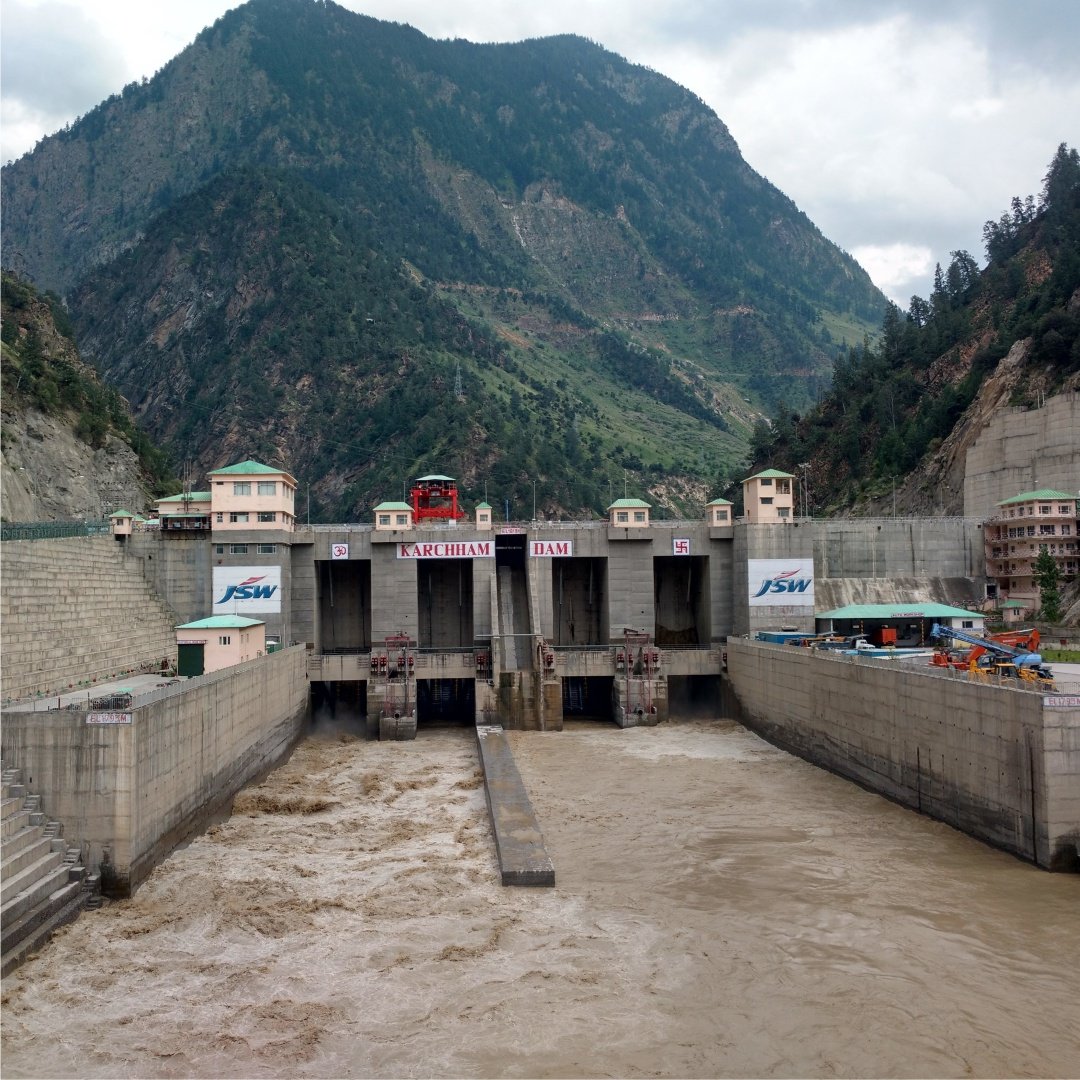
Then I passed by the massive Karcham Wangtoo Hydroelectric Plant and the Baspa Dam before entering the beautiful Sangla Valley. At Karcham Dam, one road goes to Rekong Peo and the other goes to Chitkul, which is known as India’s “last village” on the Indo-Tibet border. I headed toward Chitkul, but after a few kilometers, the road got really bad until I reached the village.
Chitkul is at about 11,319 feet. There isn’t anything “special” to do here, and that is exactly the point. It is a perfect escape from busy city life. What you will find here is pure peace. I went there just to enjoy nature and get away from the man-made world. The village has a 500-year-old Mathi temple with images of Shakyamuni Buddha, a Mangala wheel of life, and four directional kings.
There are campsites, hotels, homestays, and even a Zostel in Chitkul. Locals will let you pitch your own tent if you ask nicely. Chitkul is also the final stop for the Kinnaur Kailash Yatra. People finish their yatra by praying at the Mathi Temple. The Indo-Tibet border is only 90 km from here, and no civilians are allowed beyond Chitkul. That is why it is called the last village of India. The area beyond is controlled by the ITBP.
I stayed at a homestay here for Rs. 400 per bed.
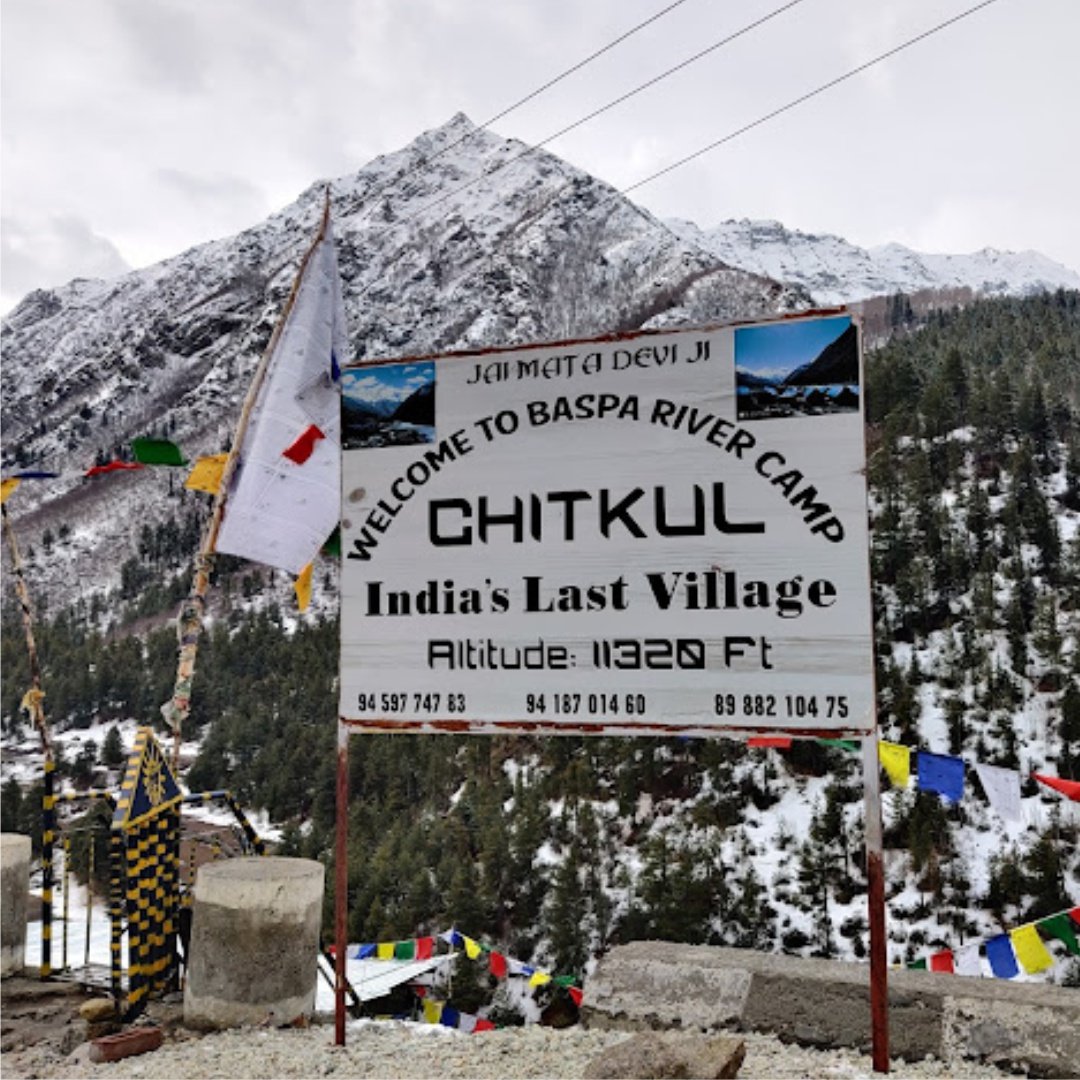
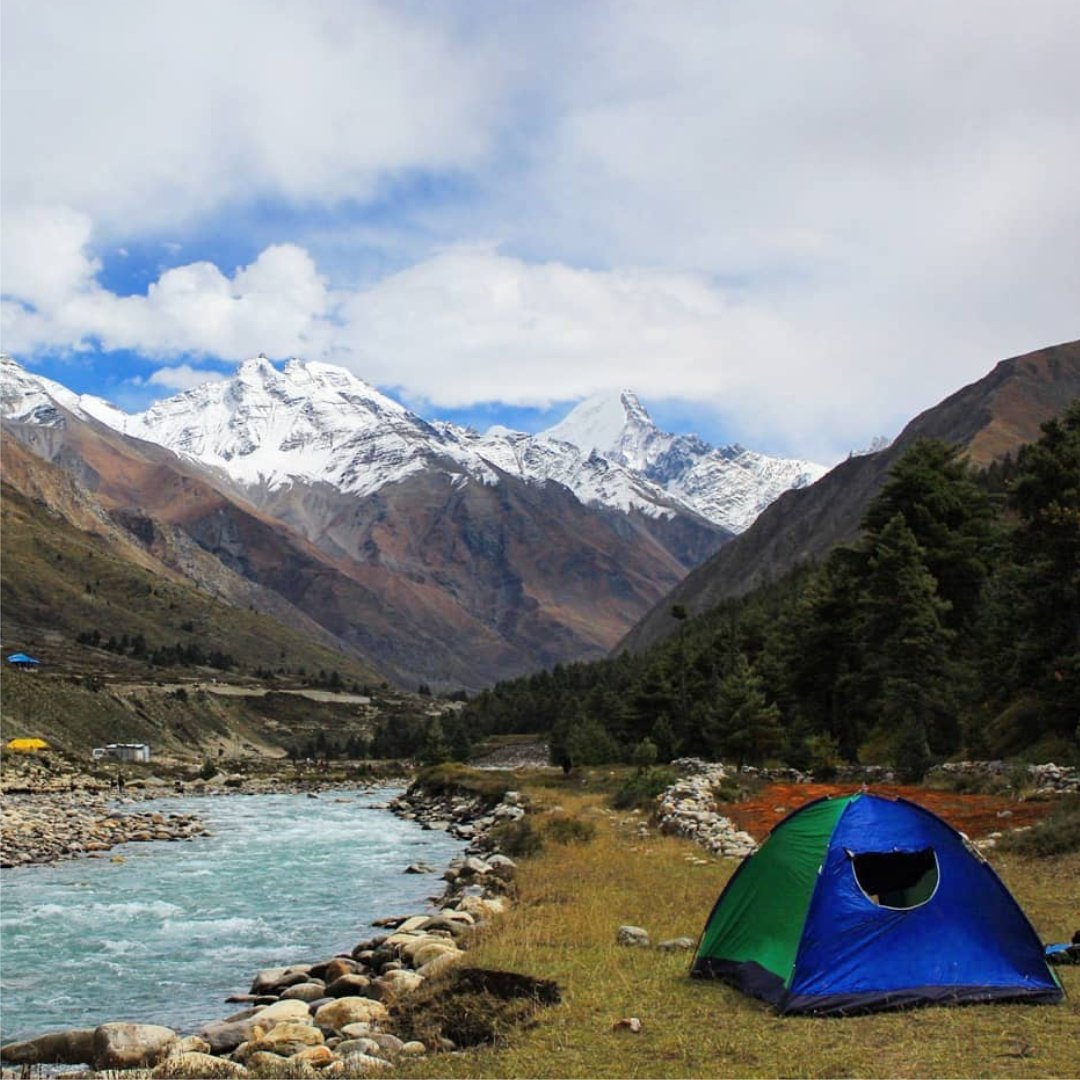
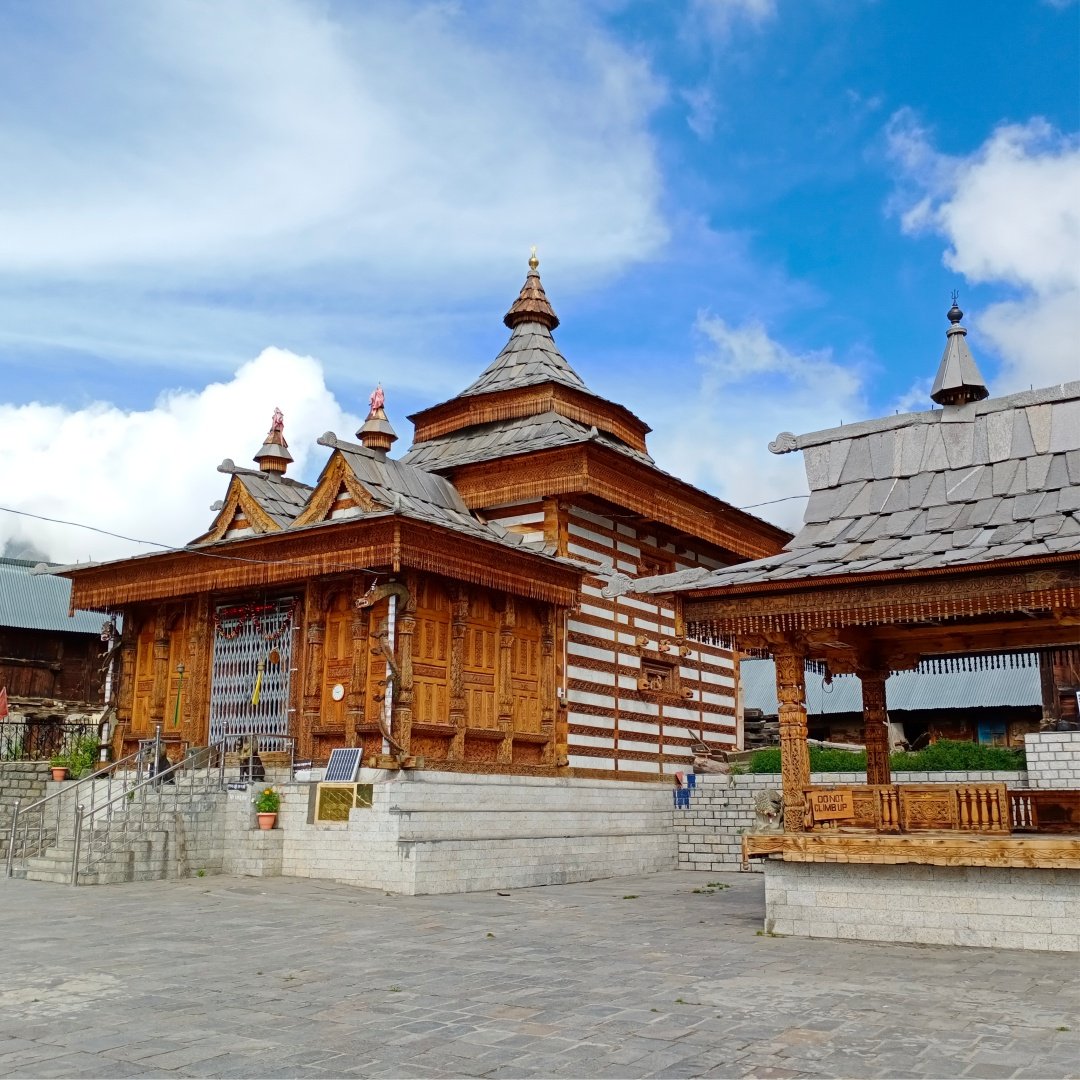
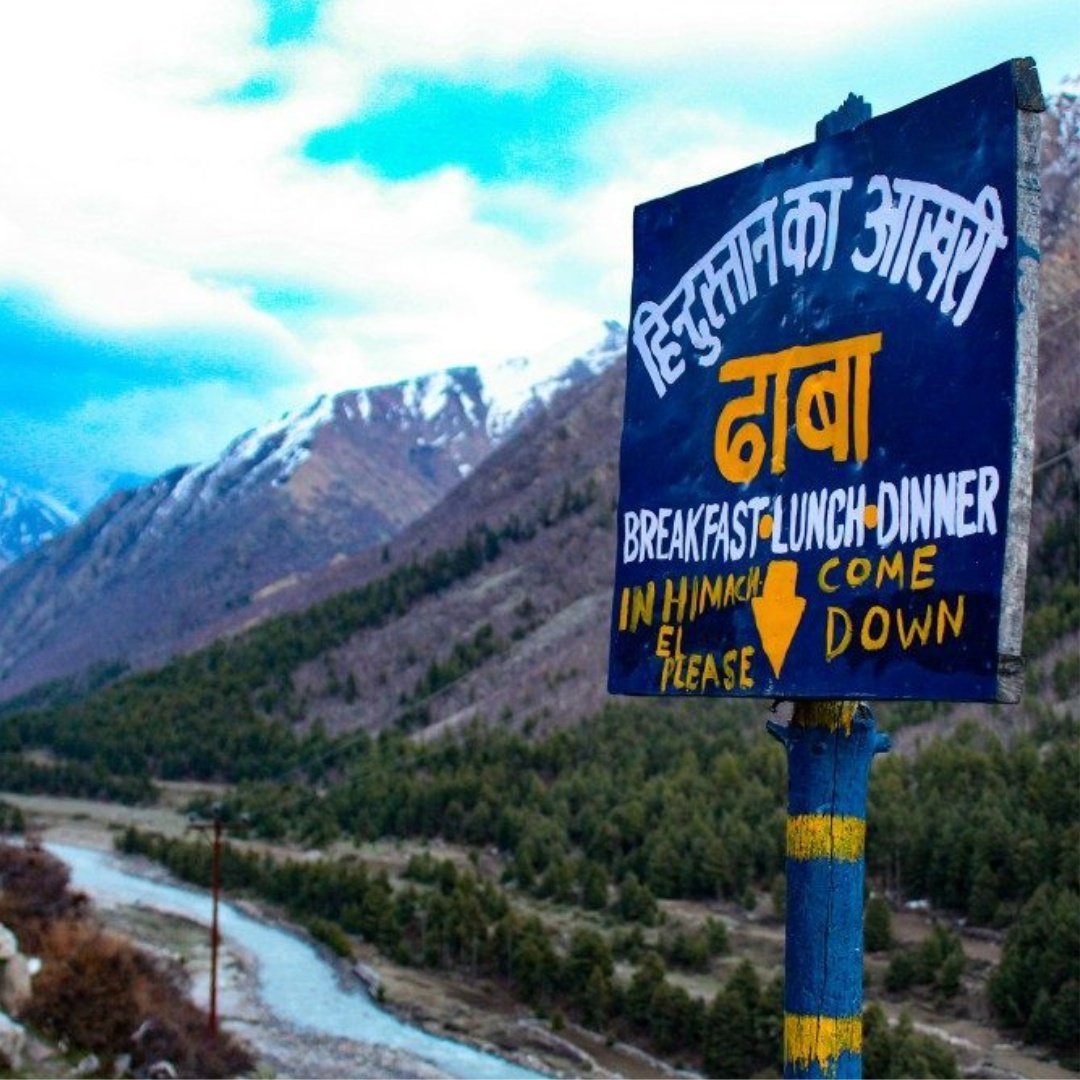
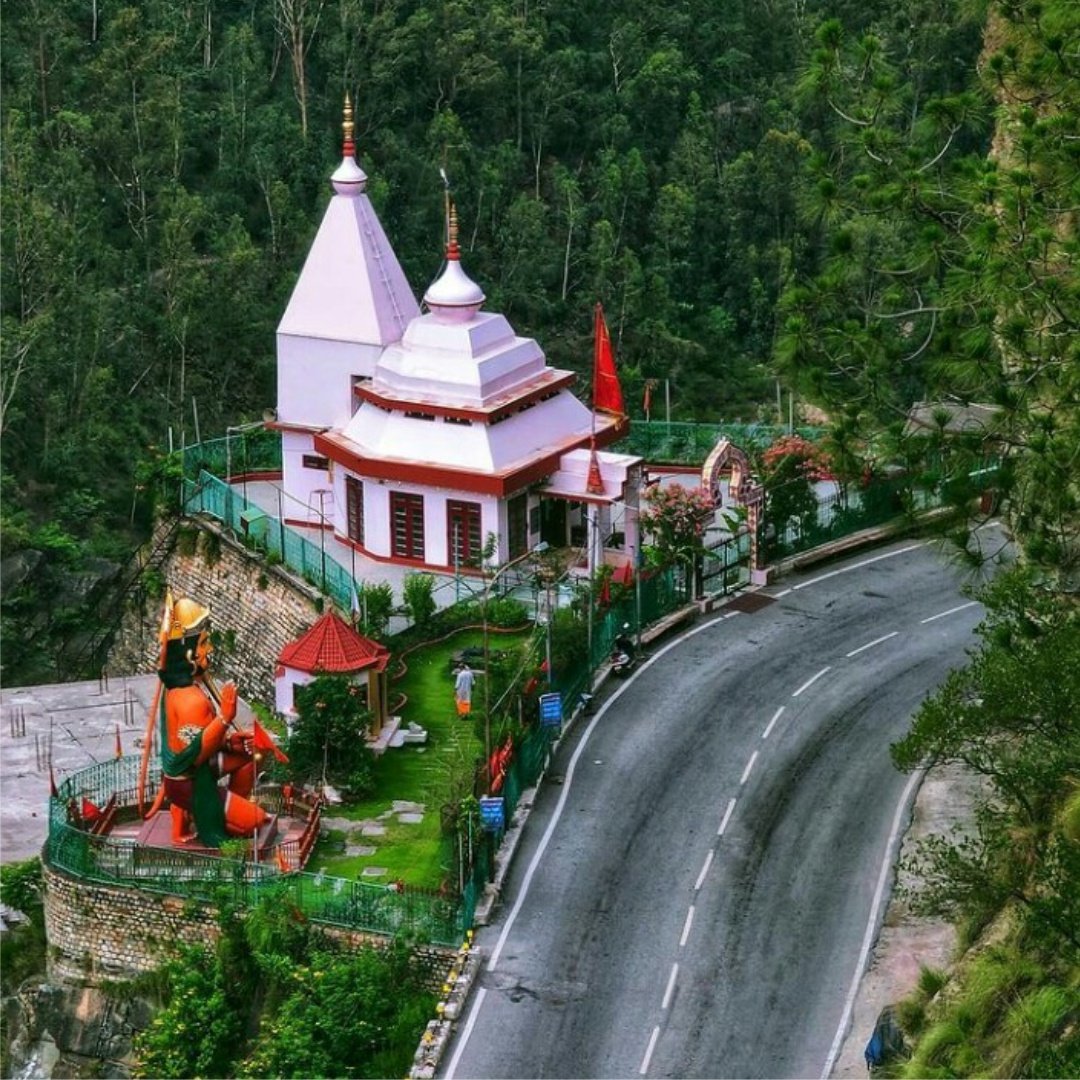
The next morning, I had breakfast at the cafe inside my homestay. Then I visited the Mathi Devi Temple, the riverside area, and the ITBP checkpoint before heading to Nako via Reckong Peo. To get to Rekong Peo, I had to drive back toward Karcham from Chitkul.
Rekong Peo sits at 2,290 meters (7,513 feet). It is the base for pilgrims doing the three-day trek to the 80-foot-high Kinnaur Kailash, which is considered one of the five Kailashas. Rekong Peo is also the commercial and administrative center of Kinnaur. I visited the Chandike Durga Temple, Bodh Mandir (Buddhist Temple), and Durga Mata Temple. You can also see the high mountain peak of Raldang. And by the way, Rekong Peo is famous worldwide for its apples and chilgoza nuts.
Next, I stopped at Kalpa. The views were spectacular. I checked out Kinnaur Point (also called suicide point) and the Narayan Nagini Temple. Some viewpoints offer great views of Kinnaur Kailash. After descending from Kalpa, the real adventure of the Spiti Valley Trip Full Circuit began. The scenery got more and more beautiful with every kilometer.
Important: Fill your petrol tank at Reckong Peo, Powari, or the new pump at Pooh. You will not find another petrol pump until Kaza.
On the way to Nako, I crossed the famous Khab Sangam Bridge, built right where the Spiti and Sutlej rivers meet. I stopped for some photos. After that, the climb toward Nako started. I reached Nako around 5:30 pm and stayed at a hotel for Rs. 1,000 because they had secure parking.
Nako village is at 3,625 meters (11,893 feet). It is a popular spot with lots to see. The Nako Monastery and Nako Gompa are very old and beautiful. Nako Lake is incredibly peaceful, and the air is so clean. I loved taking photos there. At twilight, many birds gather around the lake. There is a rock here that is believed to have the footprint of Padmasambhava. In summer, you can go boating, and in winter, the lake freezes over and people go ice skating.
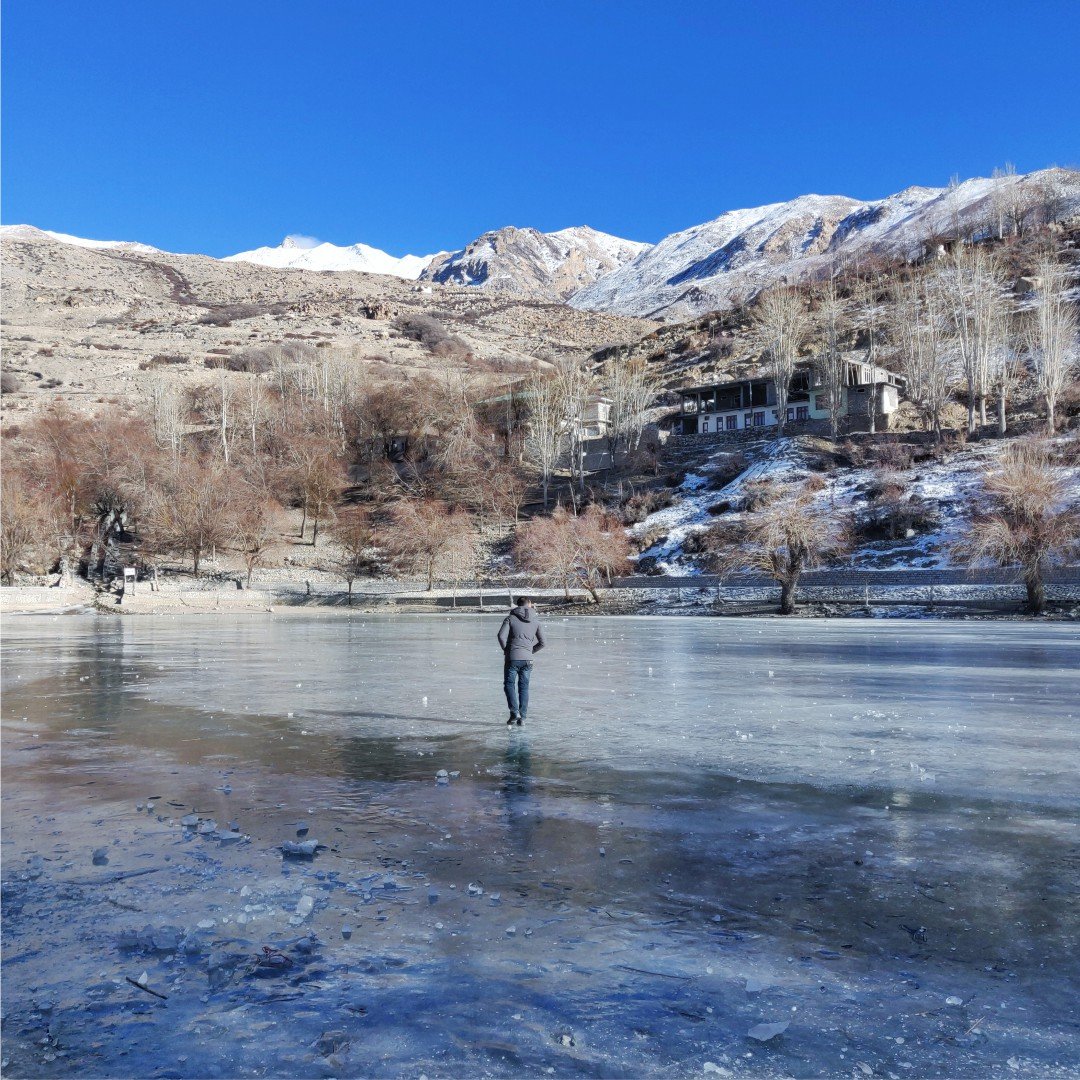
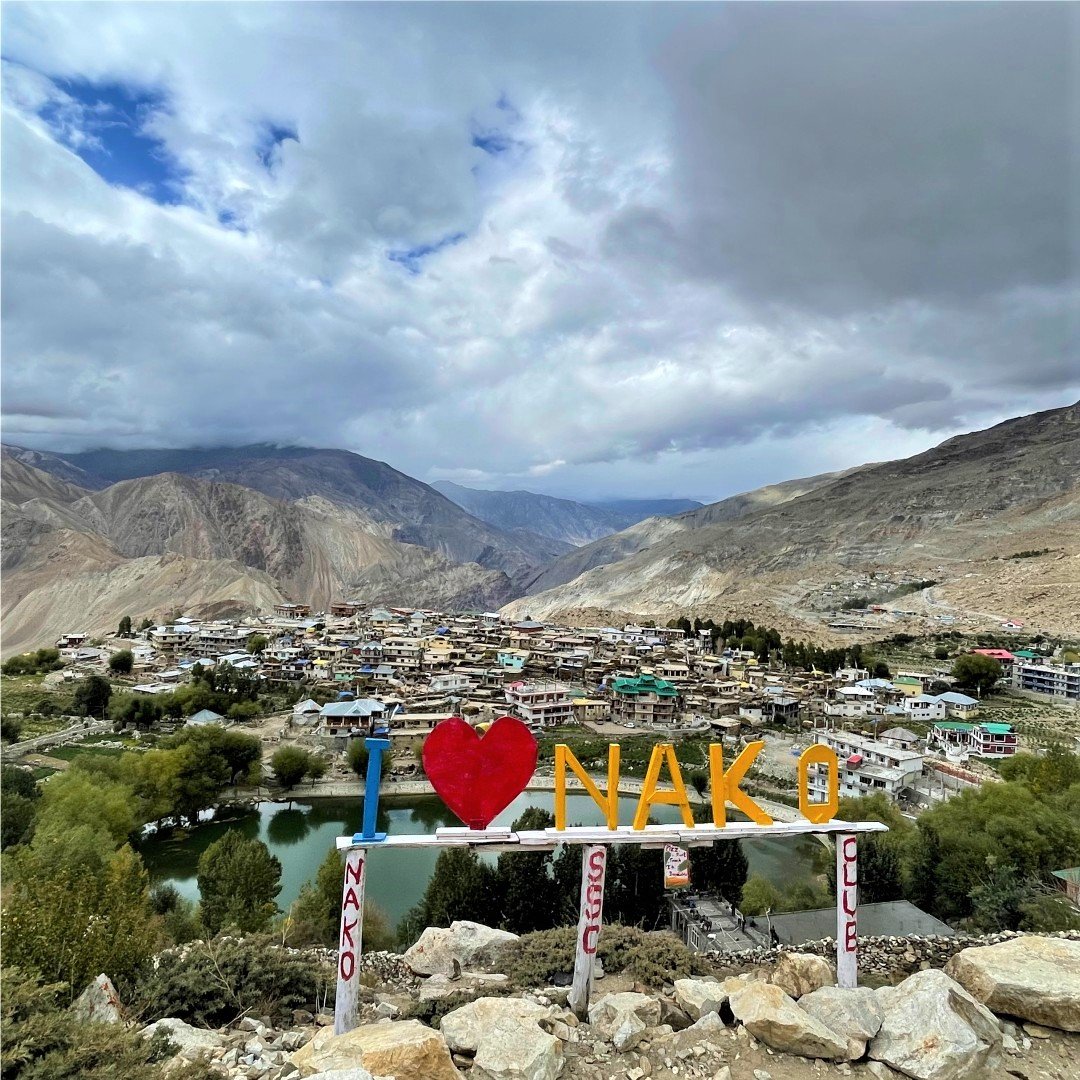
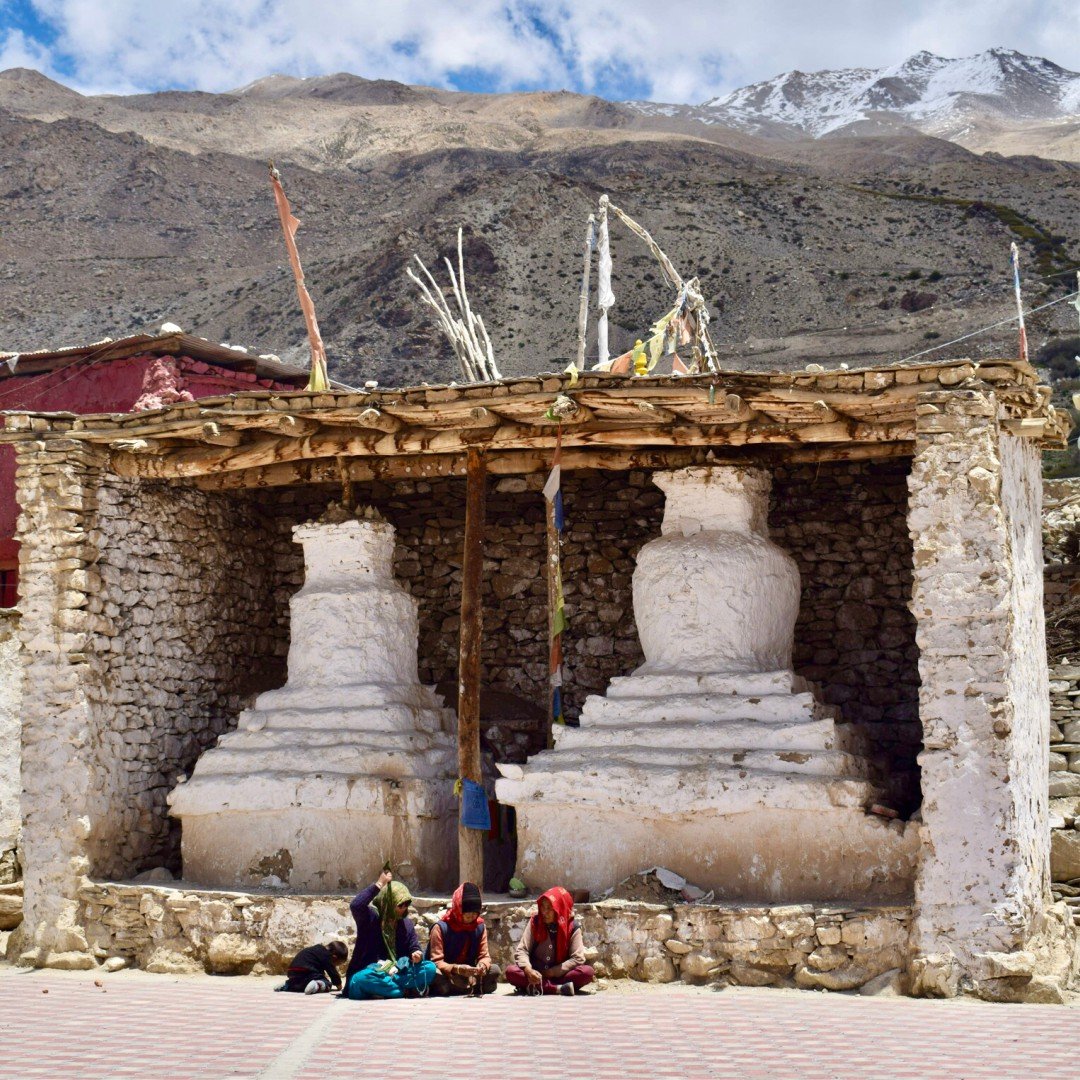
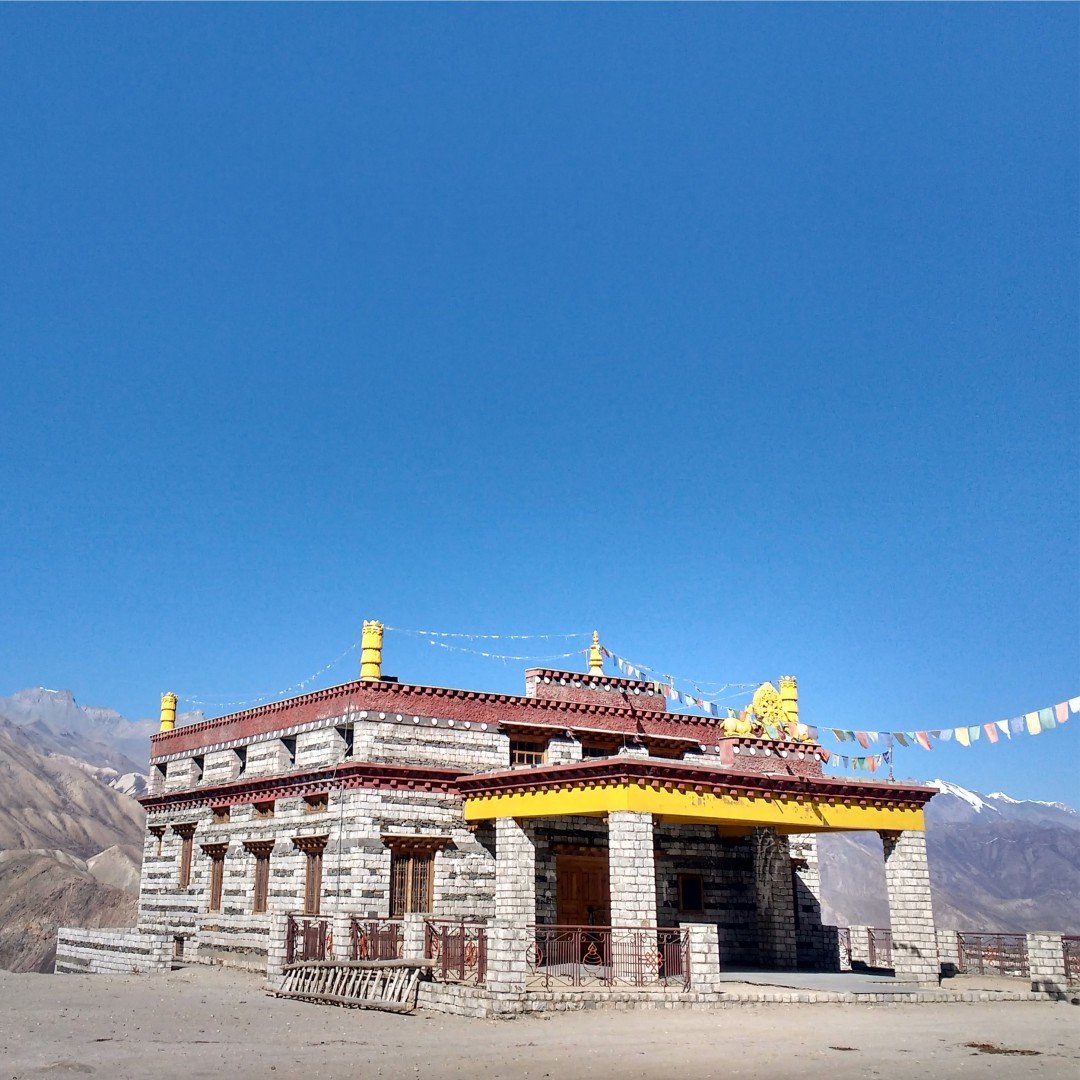
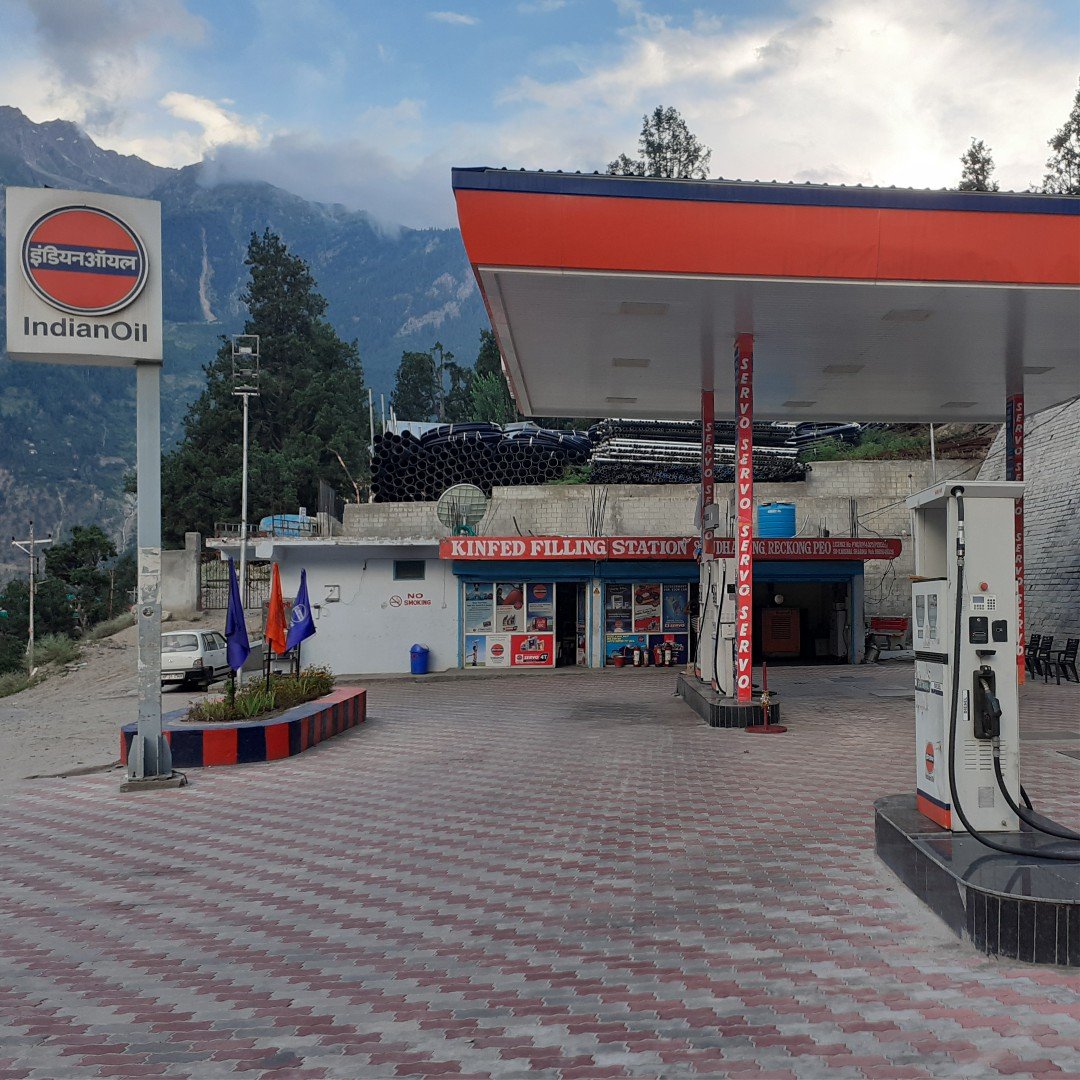
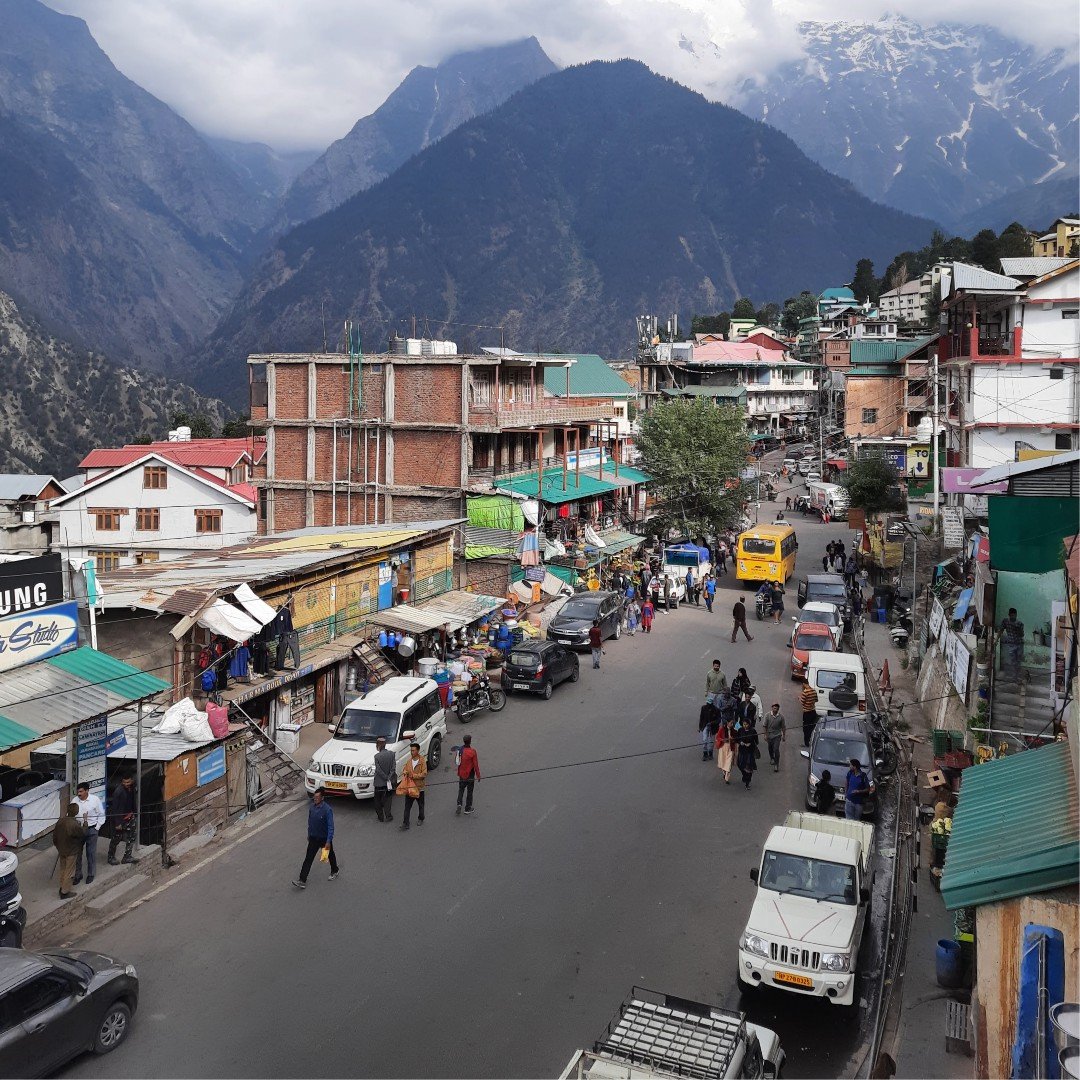
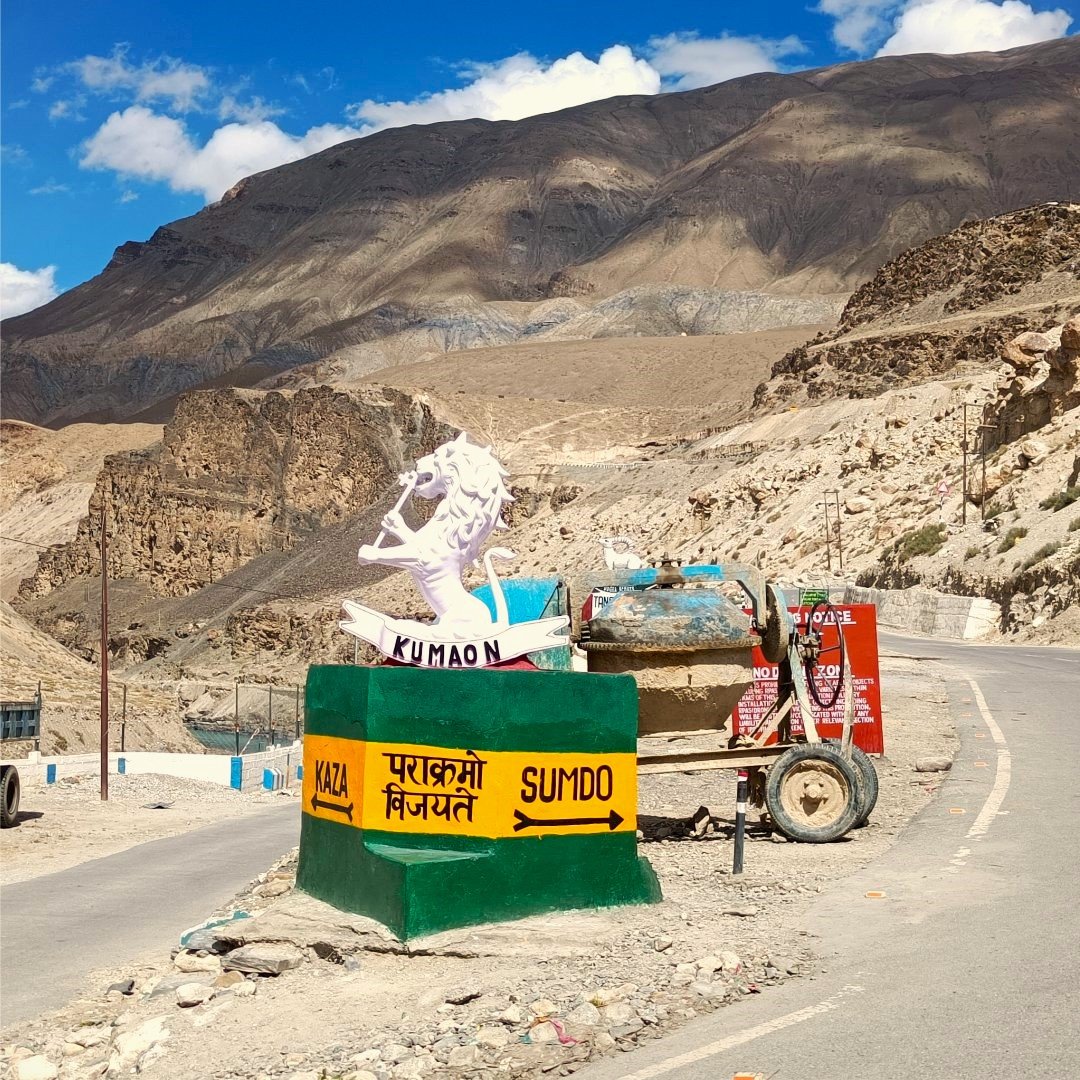
The next day, I did some local sightseeing in Nako, had breakfast, and then drove toward Sumdo. After March 2023, the road was in pretty good shape until Sumdo. Sumdo is a military area, so I had to submit my details at the checkpoint. About 3 kilometers after Sumdo, I saw a gate on the right leading to Gue village.
Gue village is 10 km from the main road, and 70% of that road is terrible. But it is worth it. Gue Monastery is famous for the 500-year-old mummy of Sangha Tenzin, a Buddhist monk who is believed to have started his own mummification while still alive. The monastery sits on the Indo-Tibetan border, surrounded by mountains. This is a rare case of natural mummification. Most mummies we read about are wrapped in linen, but this monk starved himself in a seated position. His body was then placed in an underground chamber for three years to dry naturally. There are only a few such mummies in the world, mostly in Japan. Sangha Tenzin’s skin and hair are still intact. Do not miss this.
From Gue, I drove to Tabo. Tabo is the second largest town in Spiti Valley. It has many accommodation options, so it is a popular stop for people traveling between Shimla and Kaza. Tabo is also at a much lower altitude than most other places in Spiti, so if you are feeling symptoms of altitude sickness, this is a great place to rest and acclimatize. I reached Tabo by 3:30 pm.
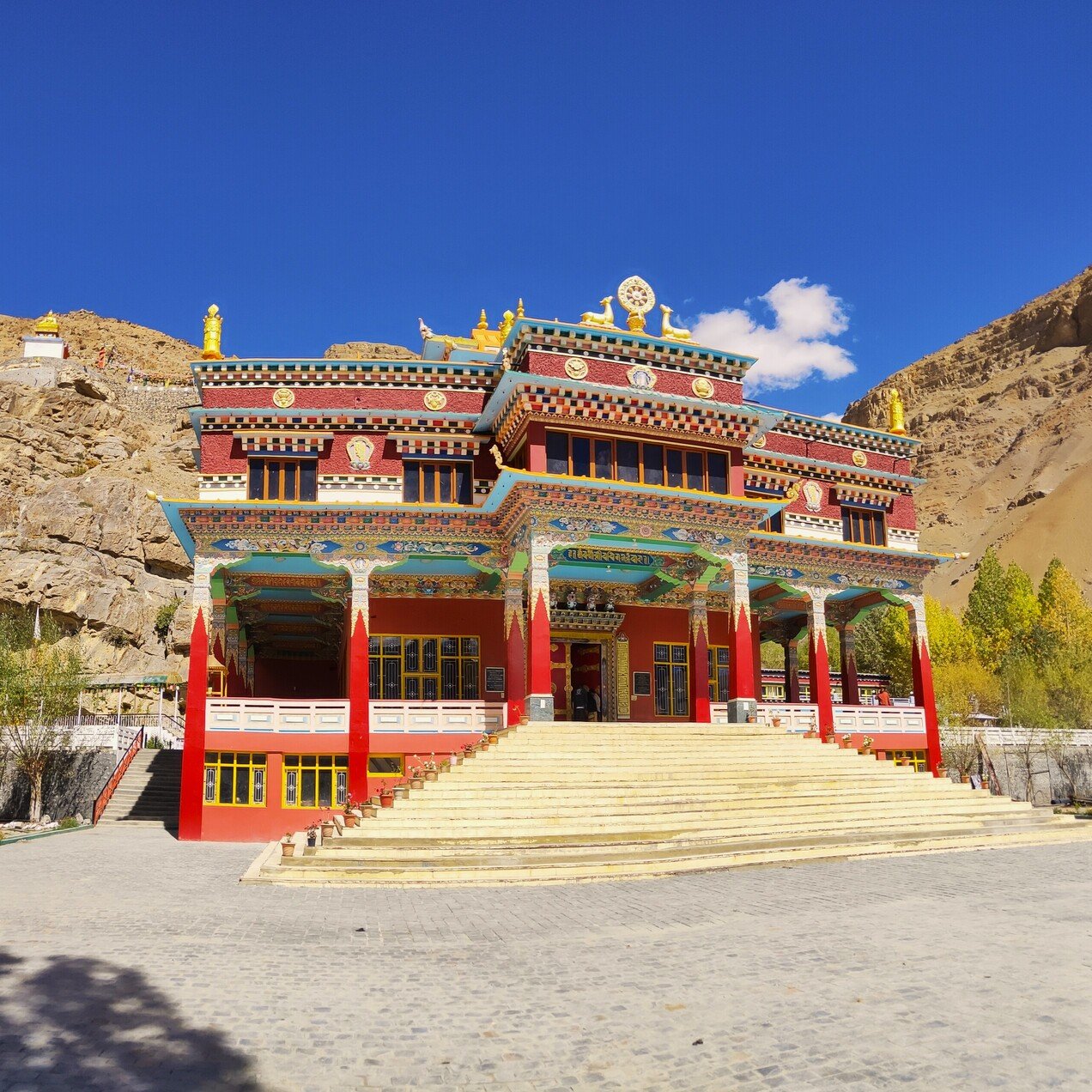
Tabo is best known for its monastery, which is the oldest running monastery in India. It was first built in 996 CE, though the current structure was rebuilt after the 1975 Spiti earthquake. It sits at 3,280 meters (10,760 feet) and is often called the “Ajanta of the Himalayas.” Inside, you can see collections of Thangkas (scroll paintings), manuscripts, well-preserved statues, frescos, and murals. Photography is not allowed inside, but you can take photos of the complex from outside. Nine temples and stupas are made entirely of mud. Unlike most monasteries that sit on hilltops, Tabo Monastery is in a valley near a river.
You should also visit the Tabo Caves, located just above the ancient monastery. Some caves are smooth and well-developed, perfect for meditating monks. Even today, monks use some of these caves for meditation. If you have time, you can stay in Tabo. There are homestays, hotels, and even a guest house inside the monastery.
If you don’t want to stay in Tabo, you have two options. You can drive 30 km to Dhankar and stay there, or drive 48 km to Kaza, depending on how much time you have.
Dhankar used to be the capital of Spiti, but now the capital is Kaza. Dhankar is a tiny village with only about 70 houses. It sits at 3,894 meters (12,774 feet) and is famous for its monastery, fort, and lake. There are two monasteries here—the new and the old. The old monastery is 1,200 years old and absolutely amazing. The views from the old gompa are incredible. The lamas have now moved to the new monastery. The ruins of Dhankar Fort are a mud-brick palace on the hilltop above the gompa. Long ago, it sheltered the entire valley during invasions and wars.
Dhankar Lake is a high-altitude lake about 2 km from the main village. It sits at 4,140 meters, and you can only reach it by a short but difficult trek. The trek starts across the road from the new monastery. It takes about 2-3 hours to go to the lake, spend some time, and come back. It is a great spot for camping, but there are no facilities, so you have to carry all your own gear.
If you wanted to visit the Pin Valley, you should stay in Dhankar or Tabo. But I was not going to Pin Valley this time, so I ended my day in Kaza.
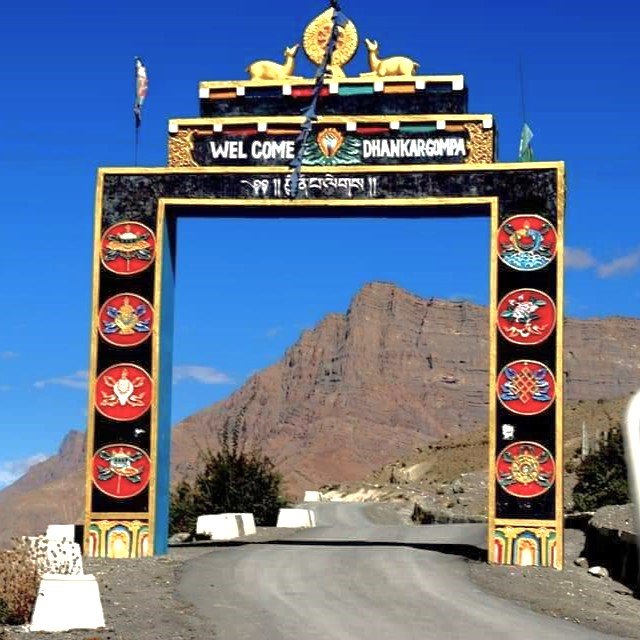
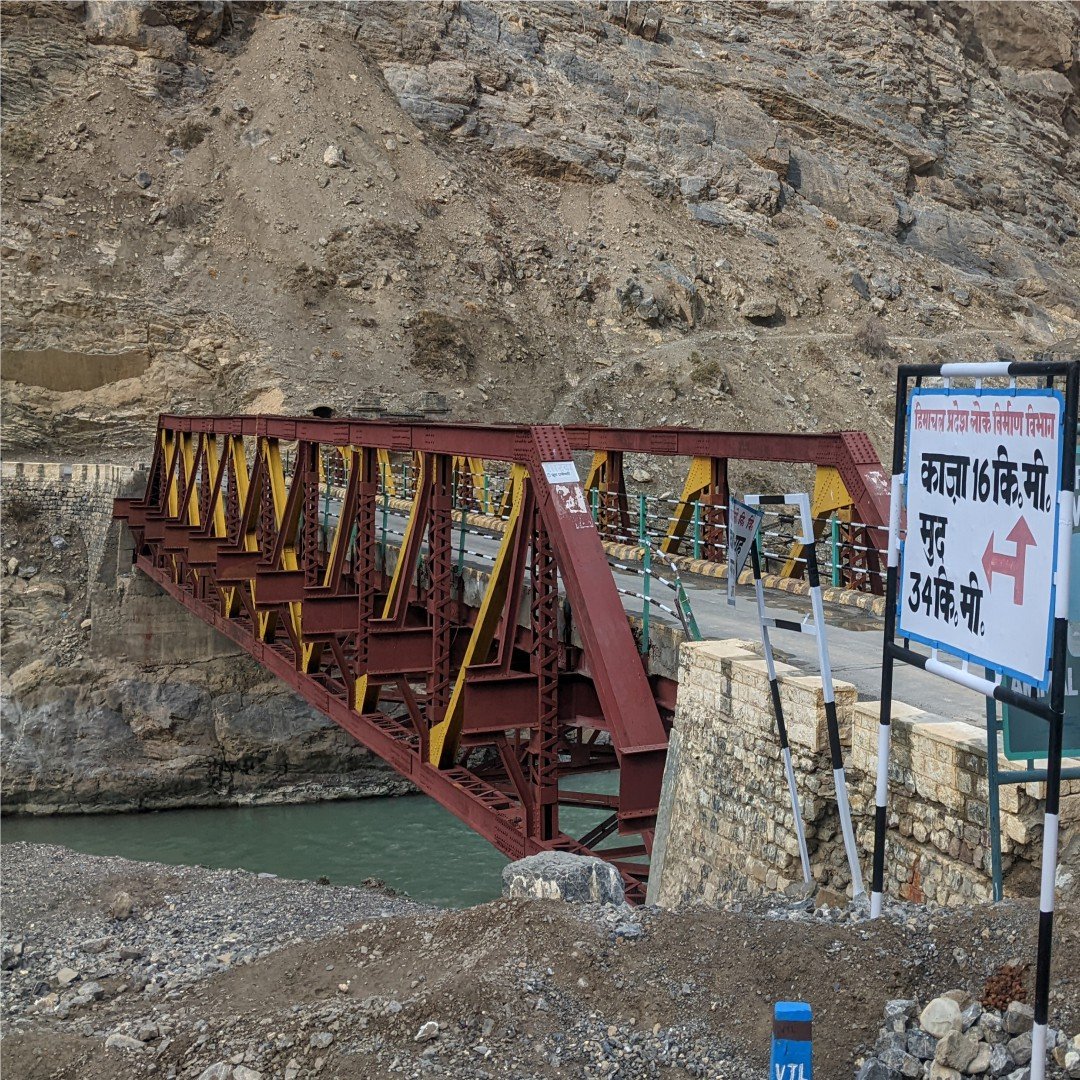
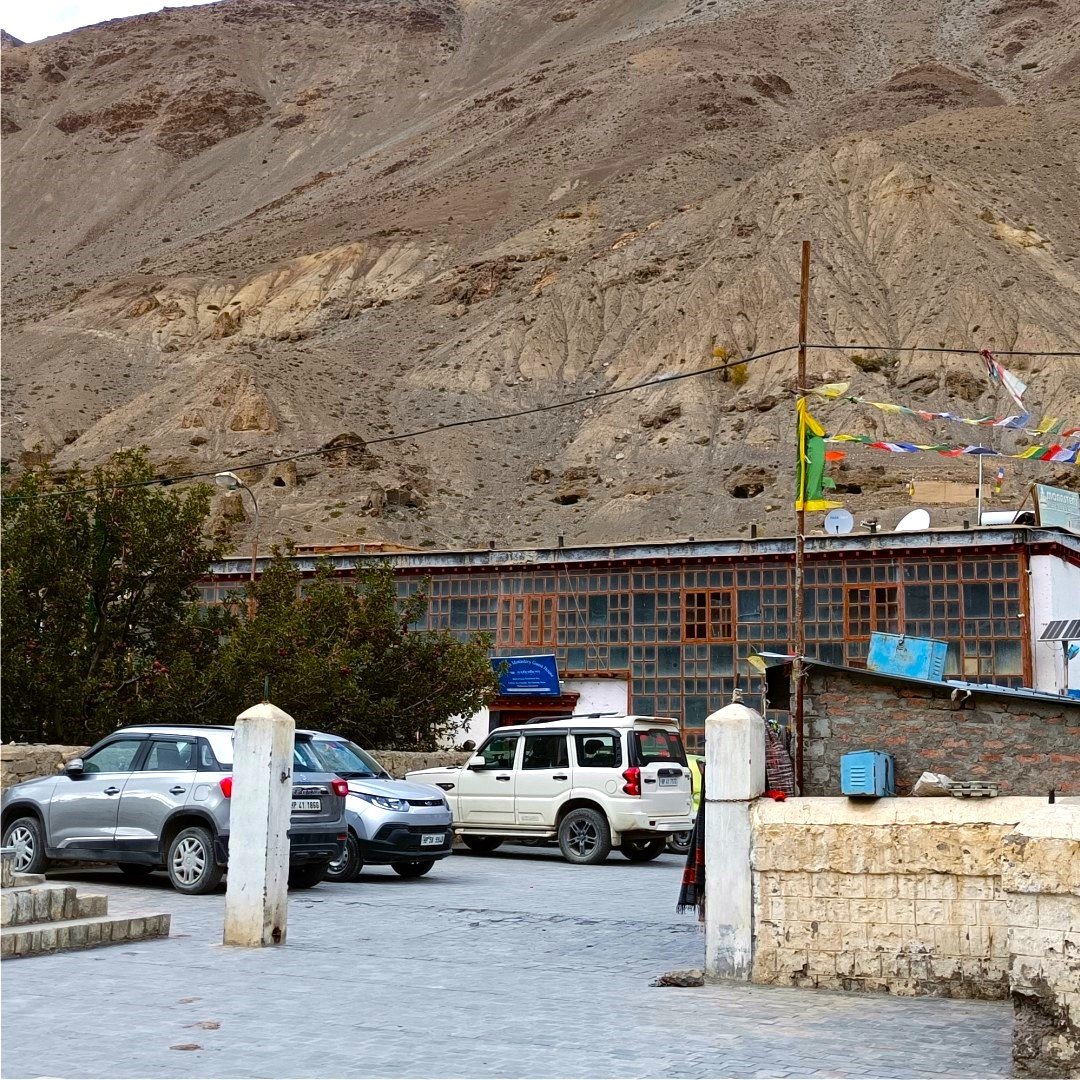
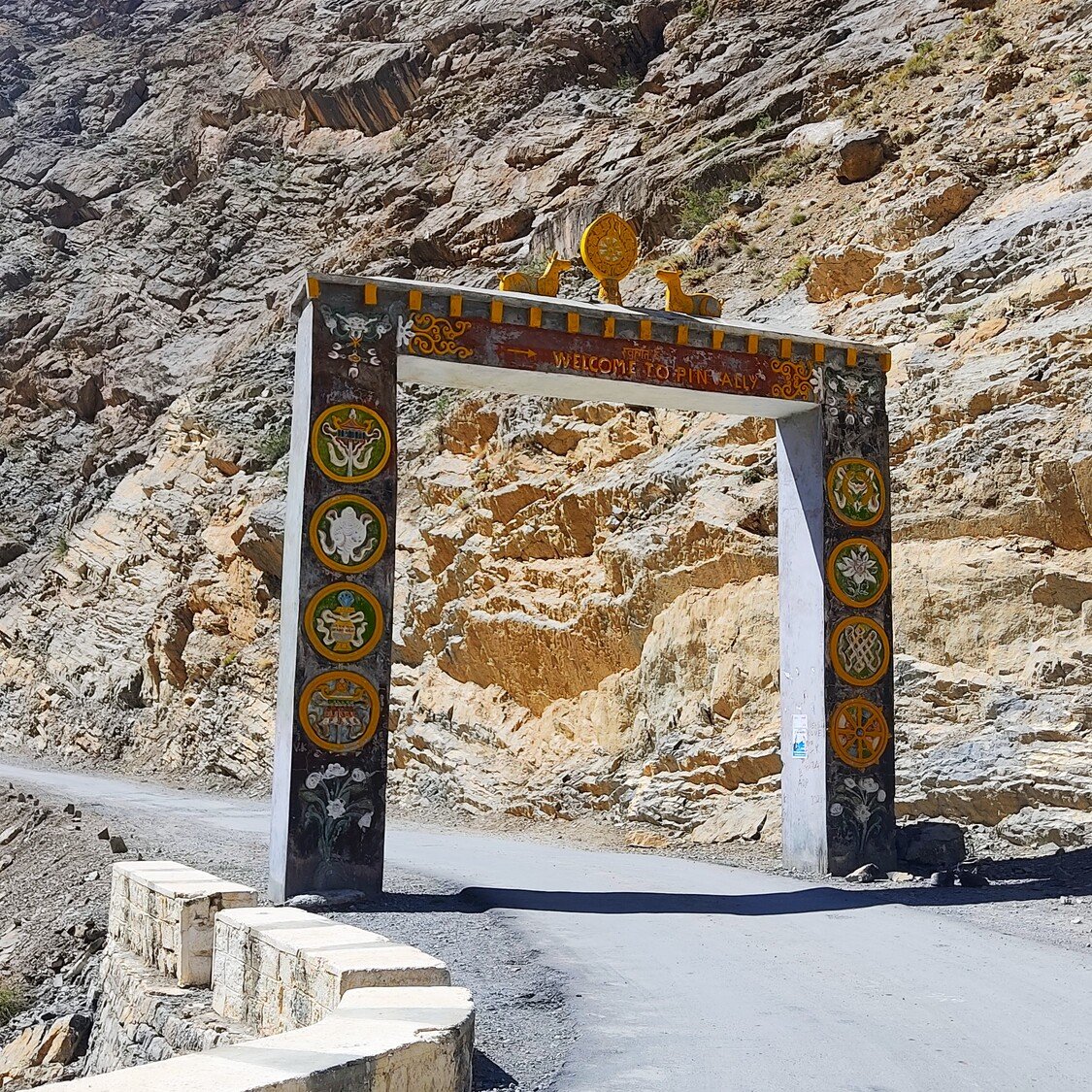
The next day, I went sightseeing around Kaza. You can drive or take a taxi to Key Monastery, Kibber, and Chicham Bridge. Most tourists cover these three places in one day, so start early.
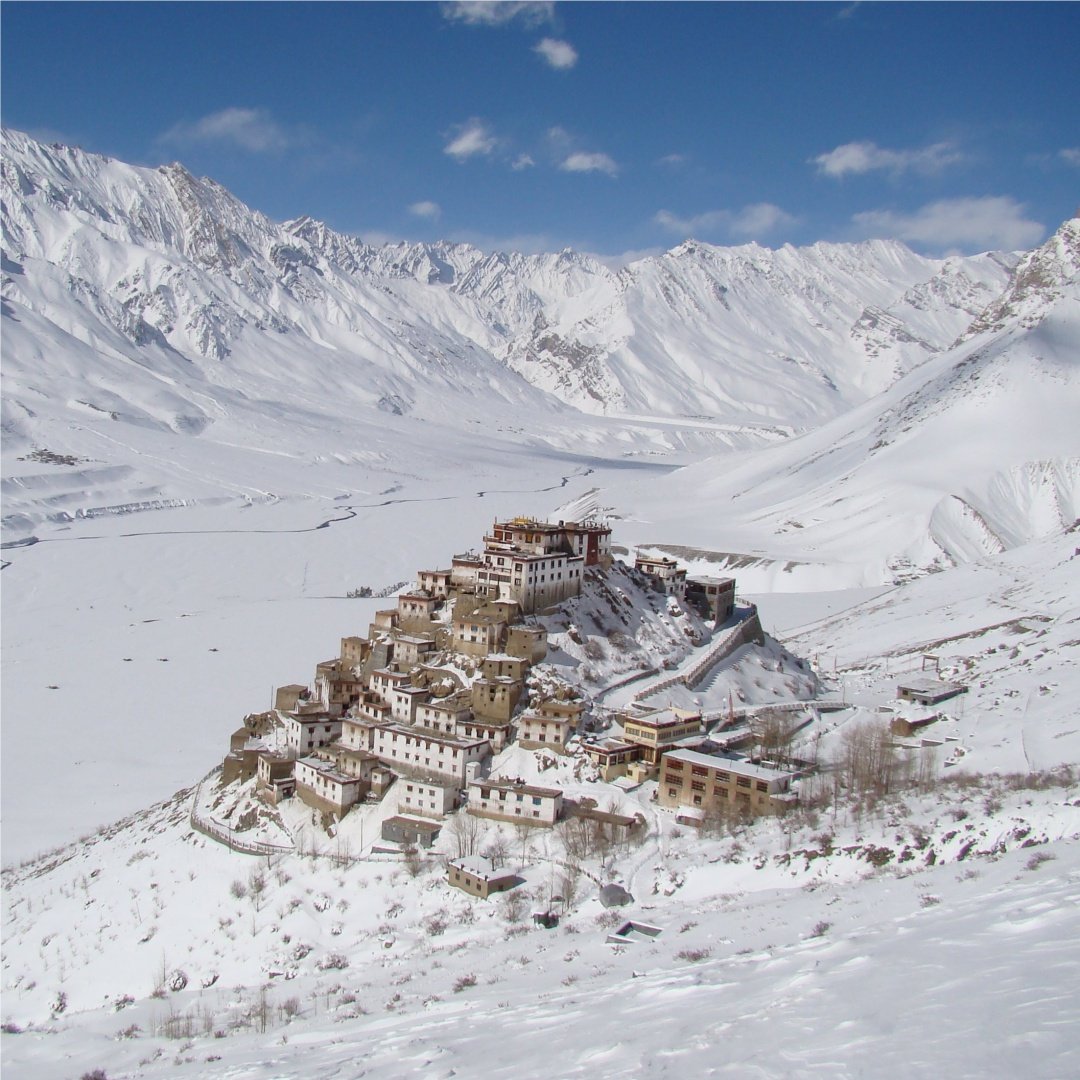
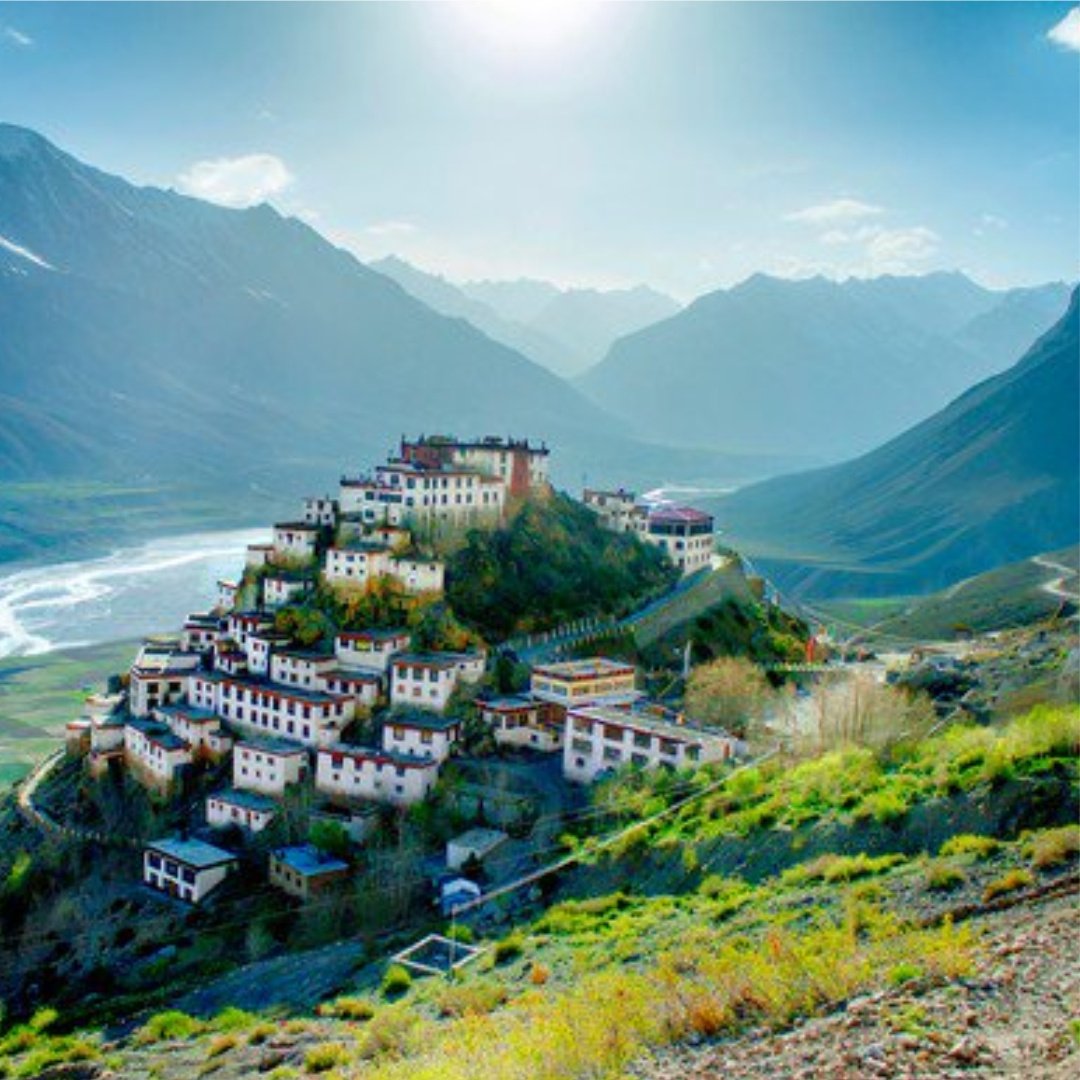
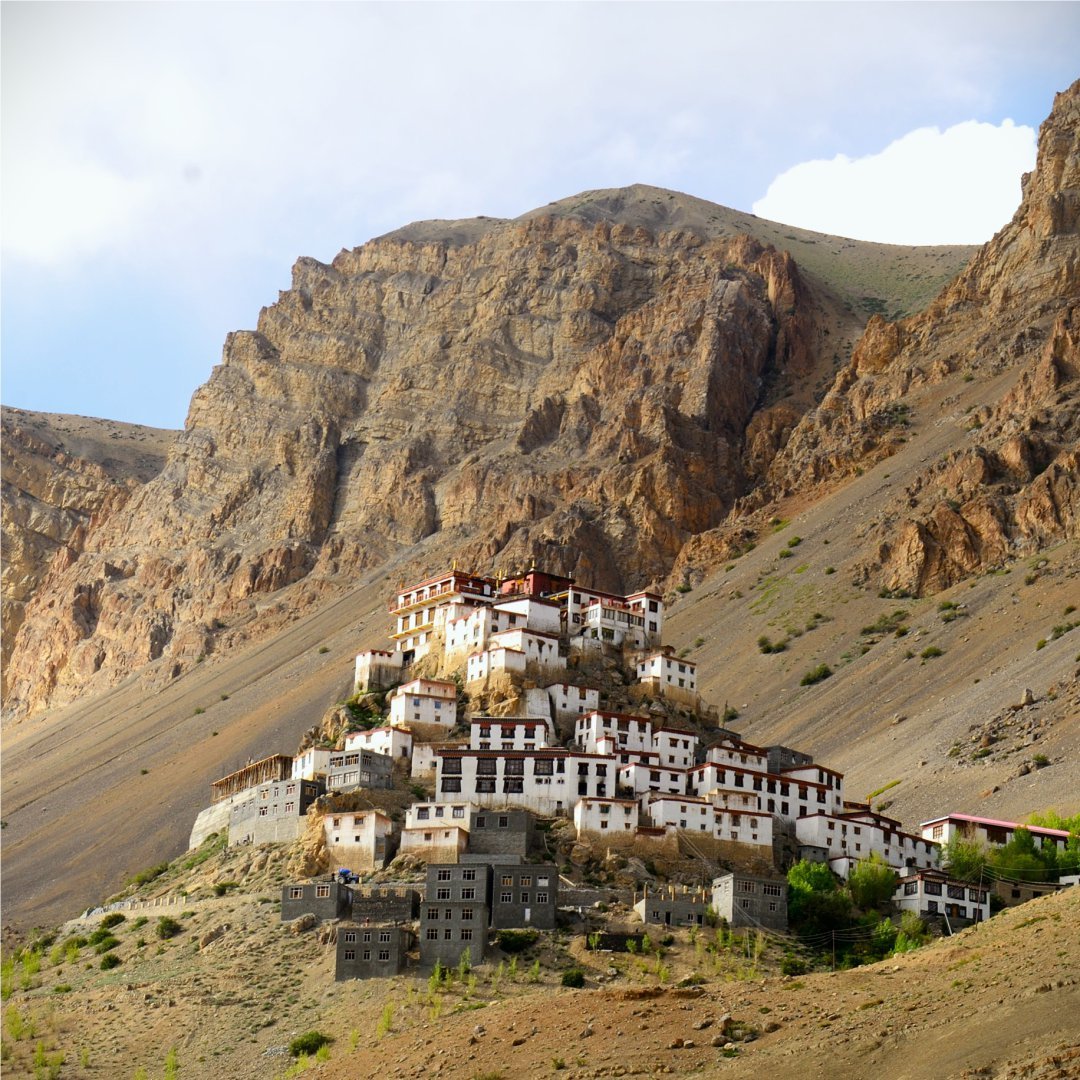
Key Monastery is the crown jewel of Spiti Valley. Every guidebook and travel company uses a photo of this monastery on their cover. It was built in the 11th century and has been a Buddhist study center for over a thousand years. It sits on a hilltop at 4,166 meters (13,668 feet). At the entrance, I found a cafe and a small homestay. There is also a school on the side. The monastery has three stories. The first is mostly underground and used for storage. The ground floor has the assembly hall and the monks’ living quarters. The first floor has more temples, a library, and other places of worship. The walls are covered in beautiful paintings and murals.
The best part? You can spend the night here for just Rs. 500, including meals. There is no separate guest house. You stay in the actual quarters used by the lamas. It is a wonderful learning experience because you live and eat with them. While you are here, you must try the special butter tea, locally called “Po Cha.” It is made by churning tea, salt, and yak butter. It contains no sugar, and not everyone likes it, but you have to try it at least once.
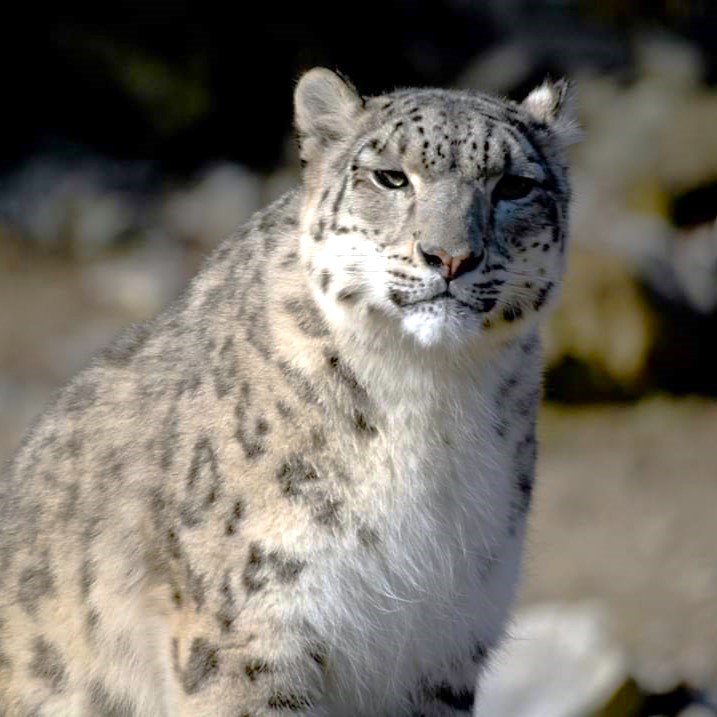
If you don’t want to stay at Key Monastery, drive further to Kibber. Kibber village is on the left bank of the Spiti River at 4,270 meters (14,010 feet). It is acclaimed as the second highest motorable village in the world. The landscape is captivating, surrounded by limestone rock mountains. Kibber is also home to the Kibber Wildlife Sanctuary, which covers 1,400 square kilometers at elevations from 3,600 to 6,600 meters. This is India’s only cold desert sanctuary. It is famous for the Himalayan Snow Leopard, though they are hard to spot. Sightings have increased in the last decade, and there are now about 25-30 snow leopards in the sanctuary. You can also find them in Pin Valley National Park. Other animals here include Tibetan wolves, Ibex, Bharal (Himalayan Blue Sheep), Tibetan Woolly Hare, Pale Weasel, Tibetan Wild Ass, and Red Fox. Bird lovers can see griffons, bearded eagles, and snowcocks.
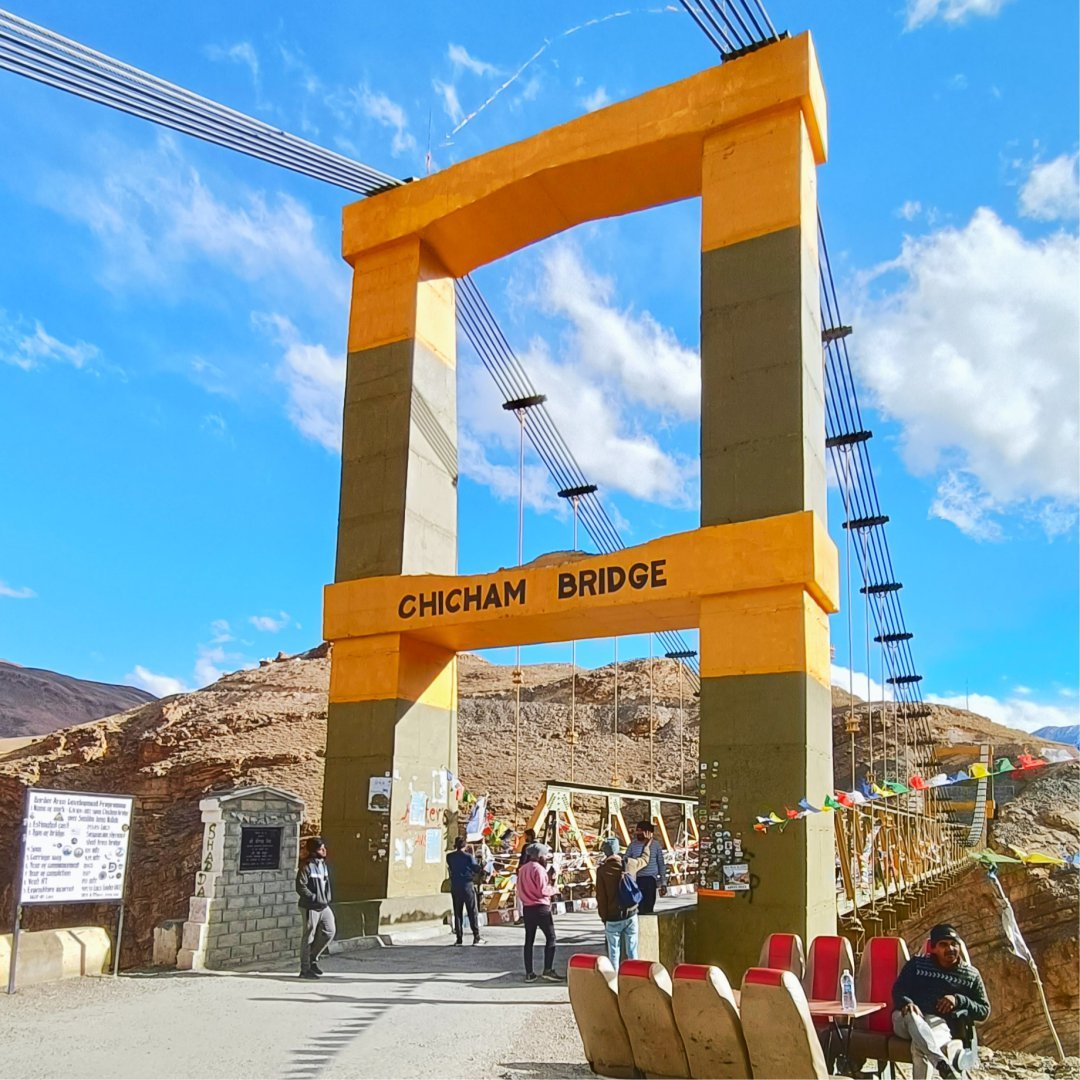
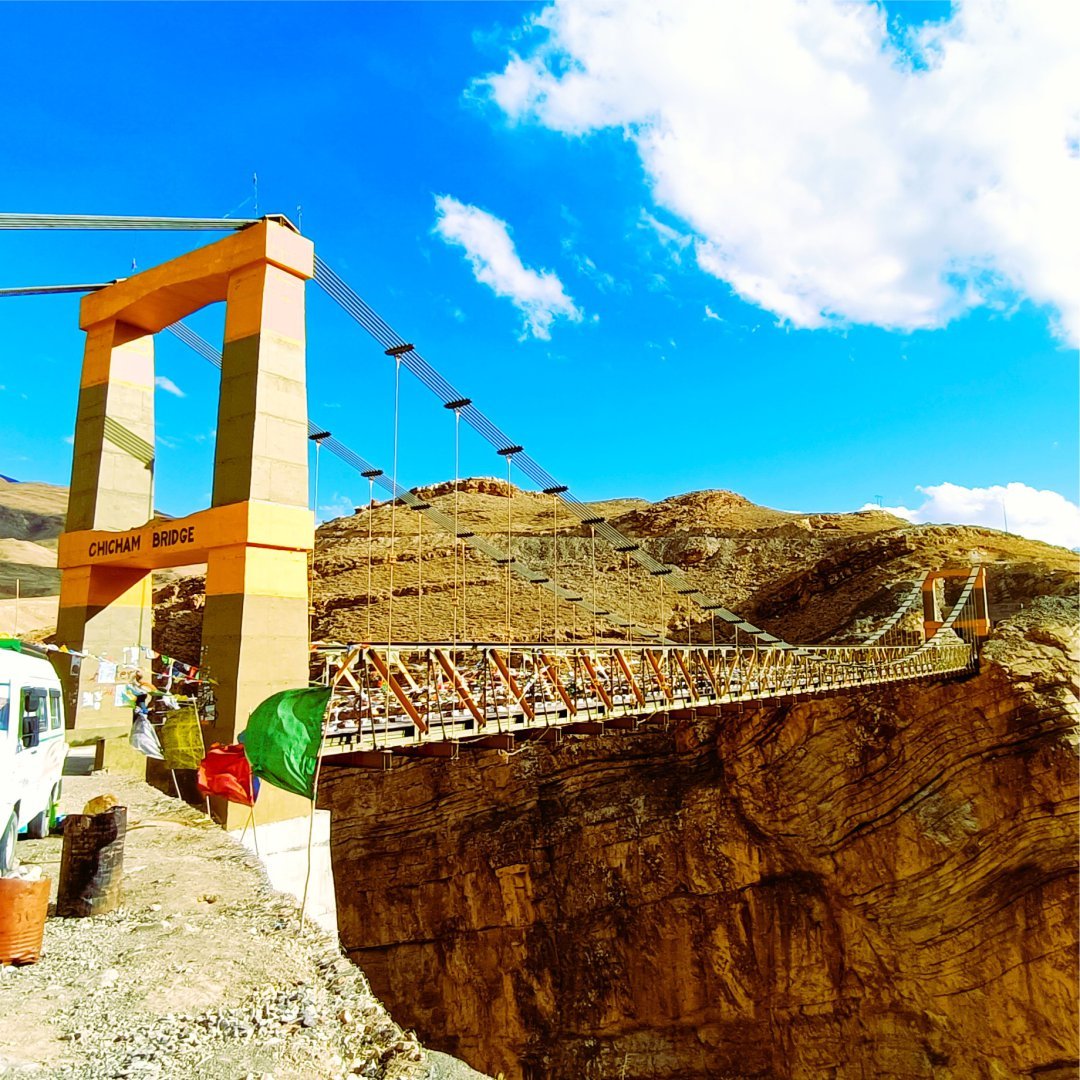
Chicham is about 6 km from Kibber. This village is home to Asia’s tallest suspension steel truss bridge at 13,596 feet. It spans a 1,000-foot-deep valley and connects Kibber and Chicham. The bridge took 14 years to build because of the difficult terrain. But it has already cut the distance between Chicham and Losar by 40 kilometers. Before the bridge was built, just a few years ago, a ropeway was the only way to cross the Parilungbo canyon.
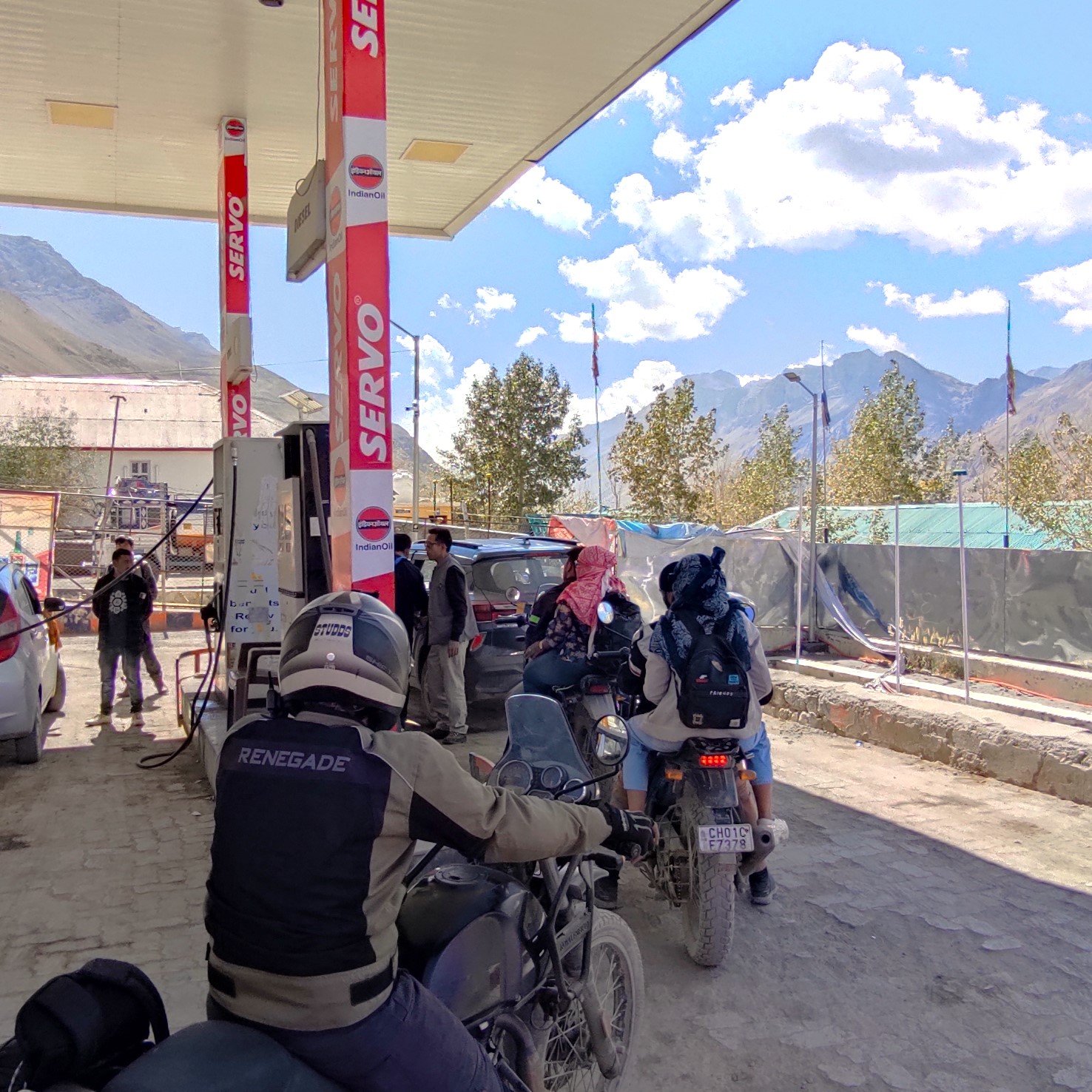
After breakfast, I refueled my Jimny. Do not forget to fill your tank in Kaza because you will not see another petrol pump until Manali. If you have already seen Key Monastery and Chicham Bridge, you can take NH-505 directly to Losar. Otherwise, make those stops first.
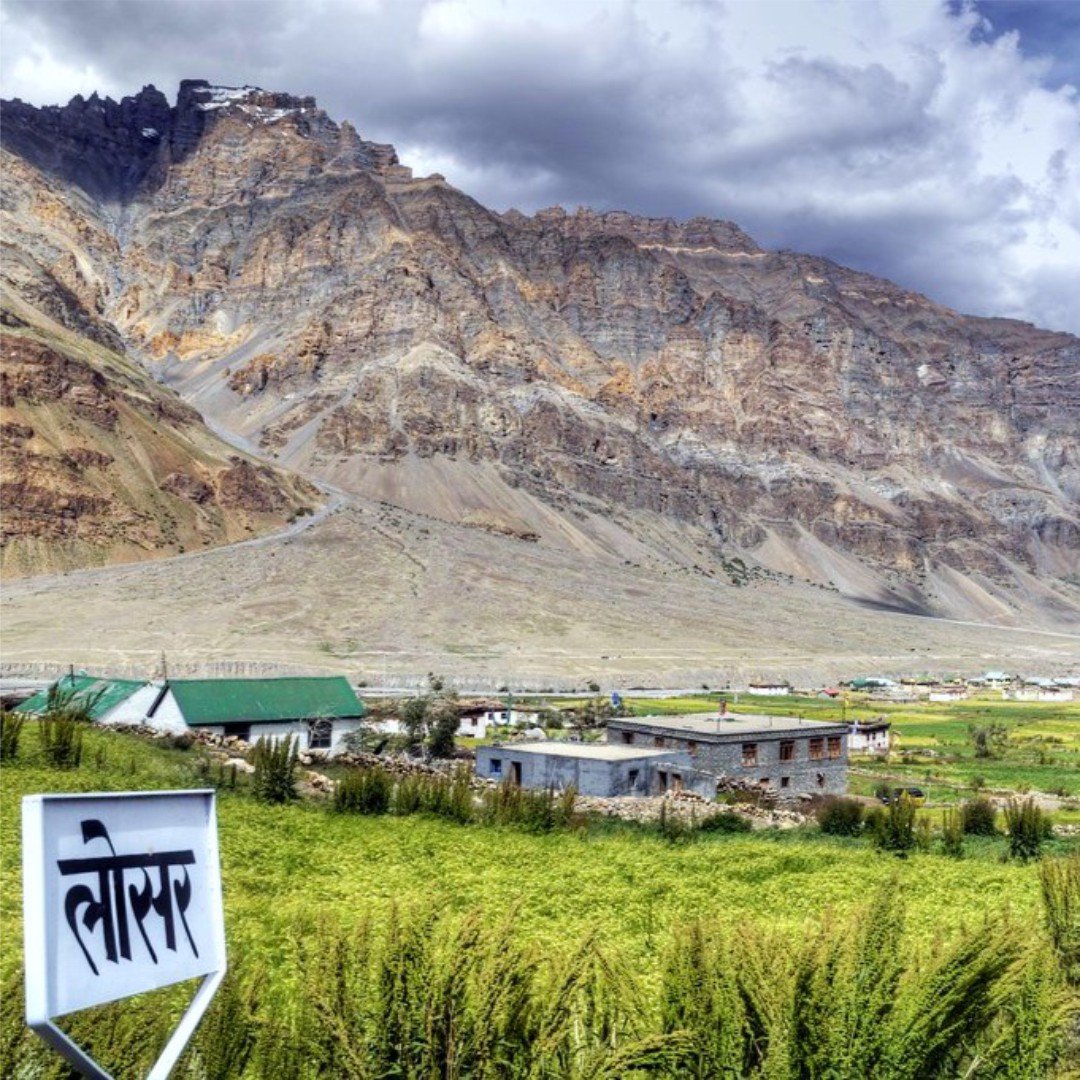
From Chicham, I moved toward Losar. Losar is a small village on the Kaza-Gramphoo Road, on the right bank of the Spiti River. It is calm, soothing, and delightful. If you miss this place near the confluence of the Losar and Peeno streams, you are truly missing out. Losar sits at 4,085 meters, close to the Indo-Chinese border. The landscape looks a lot like Ladakh. The mountains, rivers, and views are breathtaking. In Losar, you can actually hear the sound of silence. People come here from all over the country and the world to relax and forget their problems. The best time to visit Losar is between July and September when the roads are open.
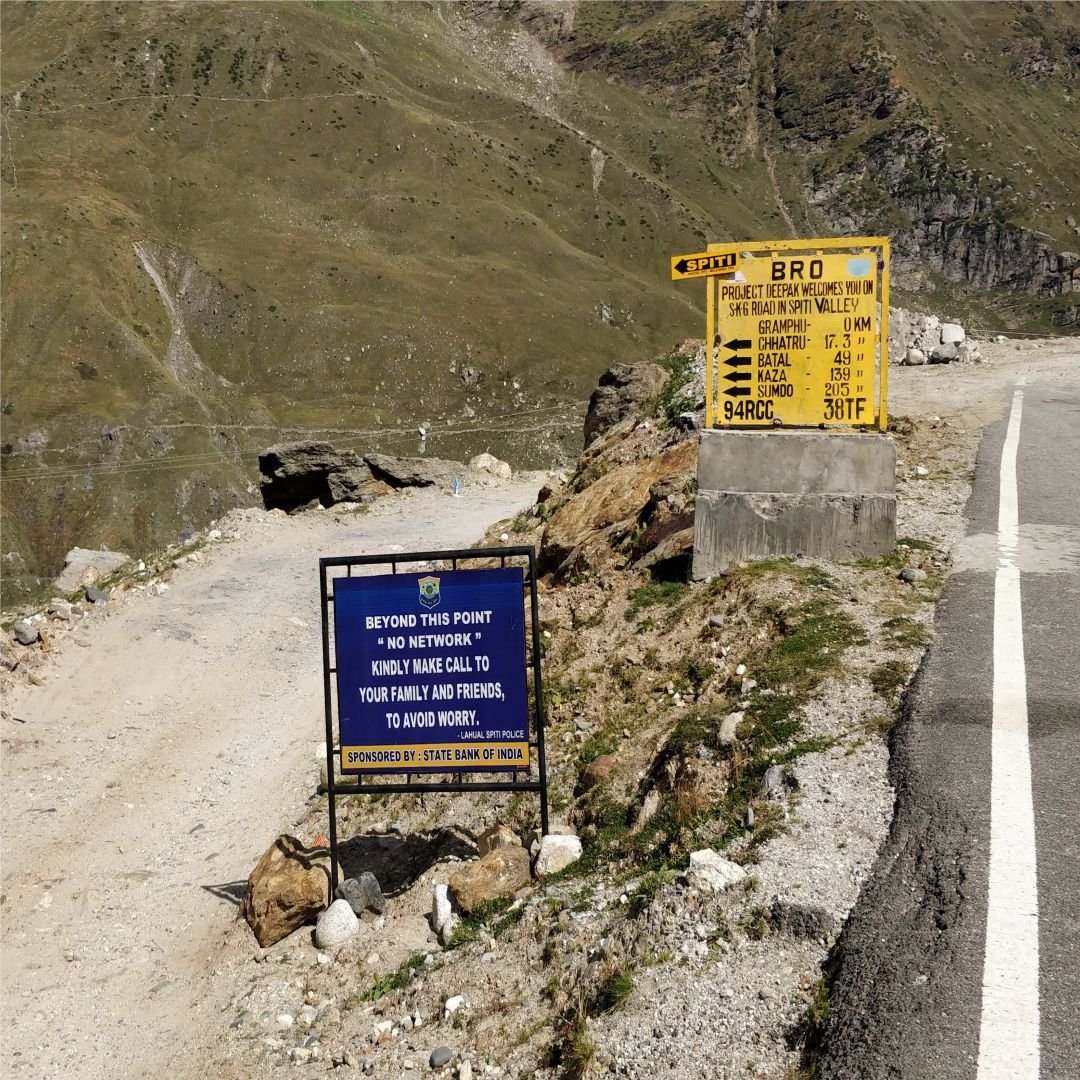
If you have enough time, drive toward Chandra Taal. Otherwise, stay in a homestay at Losar. But here is a warning: after Losar, the climb to Kunzum Pass starts, and the road is in extremely bad condition. Honestly, consider it as “no road” until Gramphu. Even in my Jimny, it was a nightmare—or maybe the best adventure of my life. Do not drive alone, and only drive during the day with plenty of daylight left.
Chandra Taal, also called Tso Chigma, is a 2.5 km wide freshwater lake sitting on the Samudra Tal plateau between the mountains of Spiti Valley. It is near the source of the Chandra River, at about 4,300 meters (14,100 feet). It is a popular spot for tourists and high-altitude trekkers. Though people associate it with Spiti, it is actually in Lahaul. The Kunzum La pass separates the two valleys. From late May to early October, you can reach the lake by road from Batal or Losar.
Three legends surround Chandra Taal. In Indian mythology, this is the place where Lord Indra’s chariot picked up Yudhishthira, the eldest Pandava brother. That is why many Hindu devotees visit. Another local tale speaks of two lovers, Chandra and Bhaga. Chandra was the daughter of the moon, and Bhaga was the son of the sun god. The lake is named after Chandra. A third legend says that a shepherd from Hansa Village fell in love with a mermaid who lived in this lake. Their love grew under the icy waters. Locals say shepherds still stop here to look for their lost friend. Swimming in the lake is strictly prohibited because many have died trying.
You cannot stay at Chandra Taal Lake itself because camping is banned. It is a wetland reserve and a Ramsar site protected under the wildlife act. You can pitch your camps at a dedicated camping site about 2 km before the lake. That is also the parking area, from where you trek further to the lake. Besides self-camping, locals set up temporary camps with mattresses, quilts, and covered washrooms. If you want safer options, try Chacha-Chachi Dhaba in Batal, which can sleep 7-8 people. You might even get igloo-style huts in front of the Dhaba. You can also try the Batal PWD Rest House. If nothing works, drive another 10 km toward Manali to a place called Chota Dara, where there is a PWD guest house.
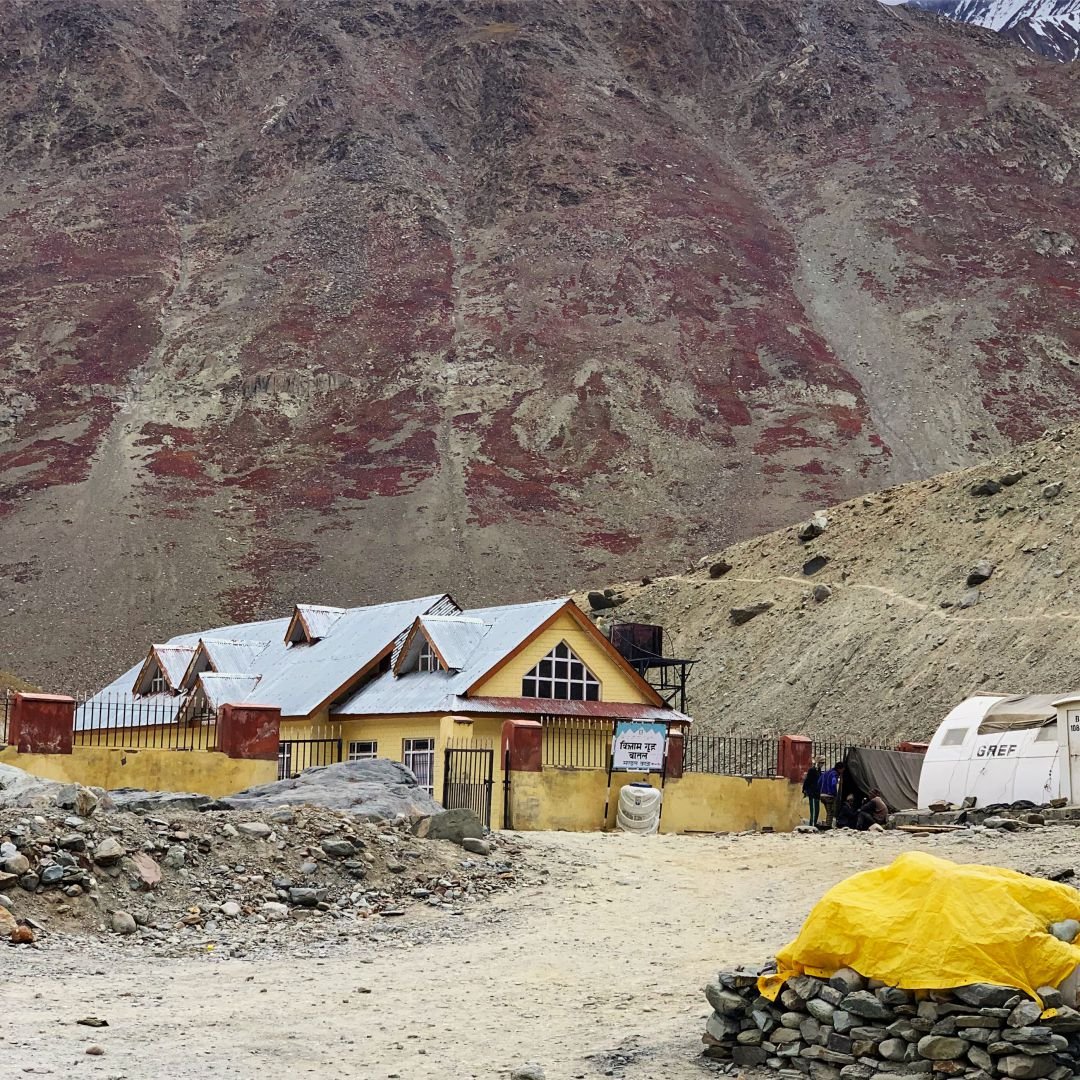
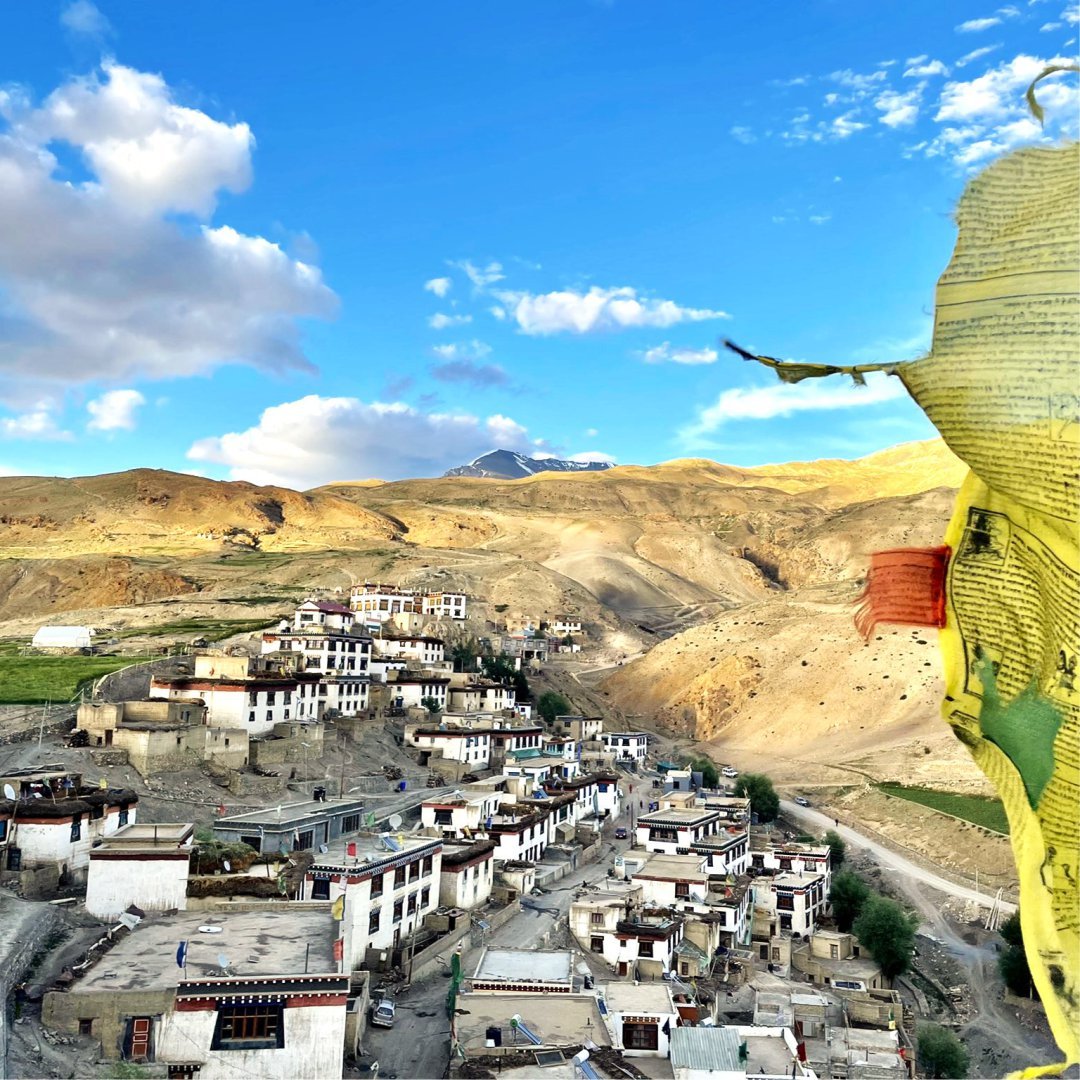
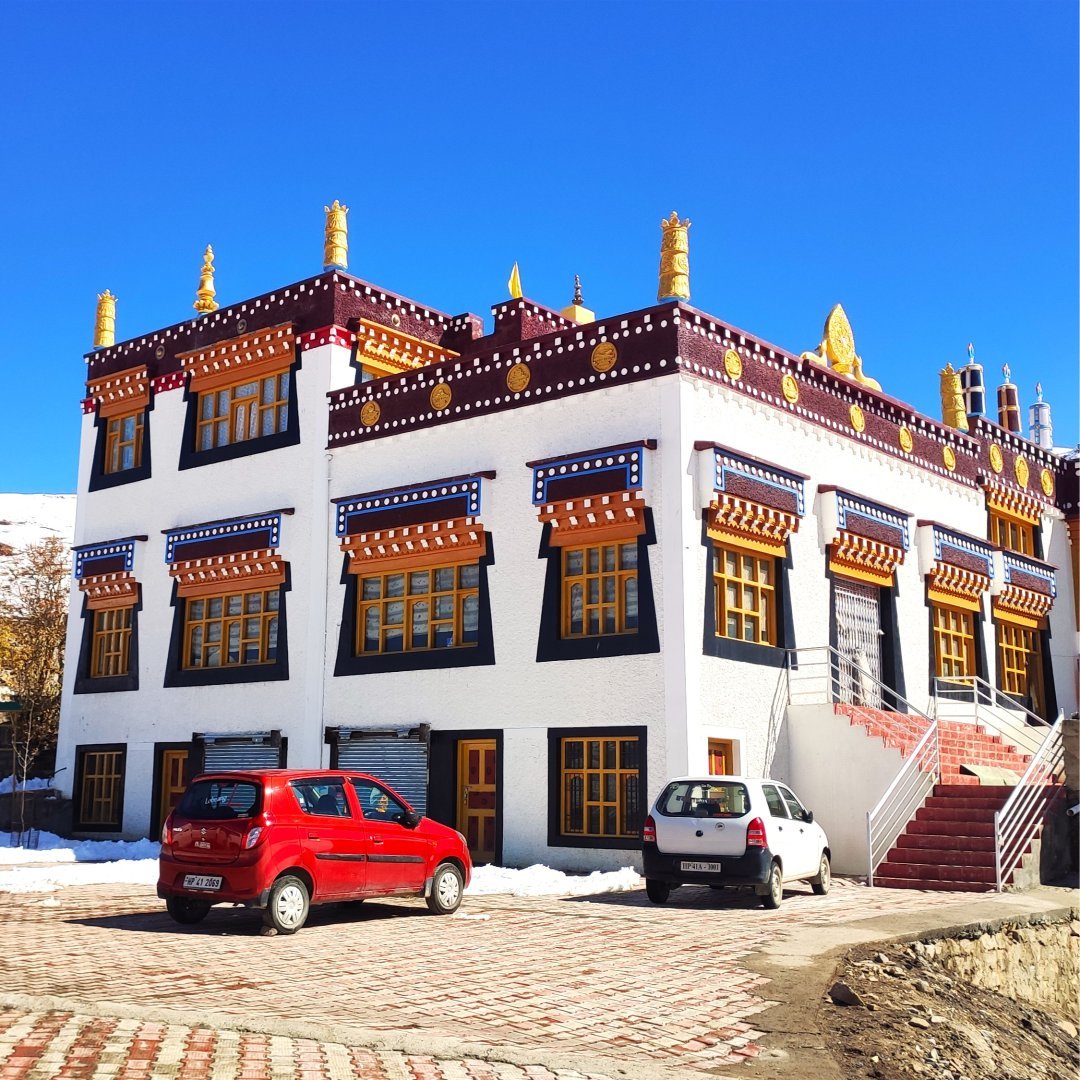
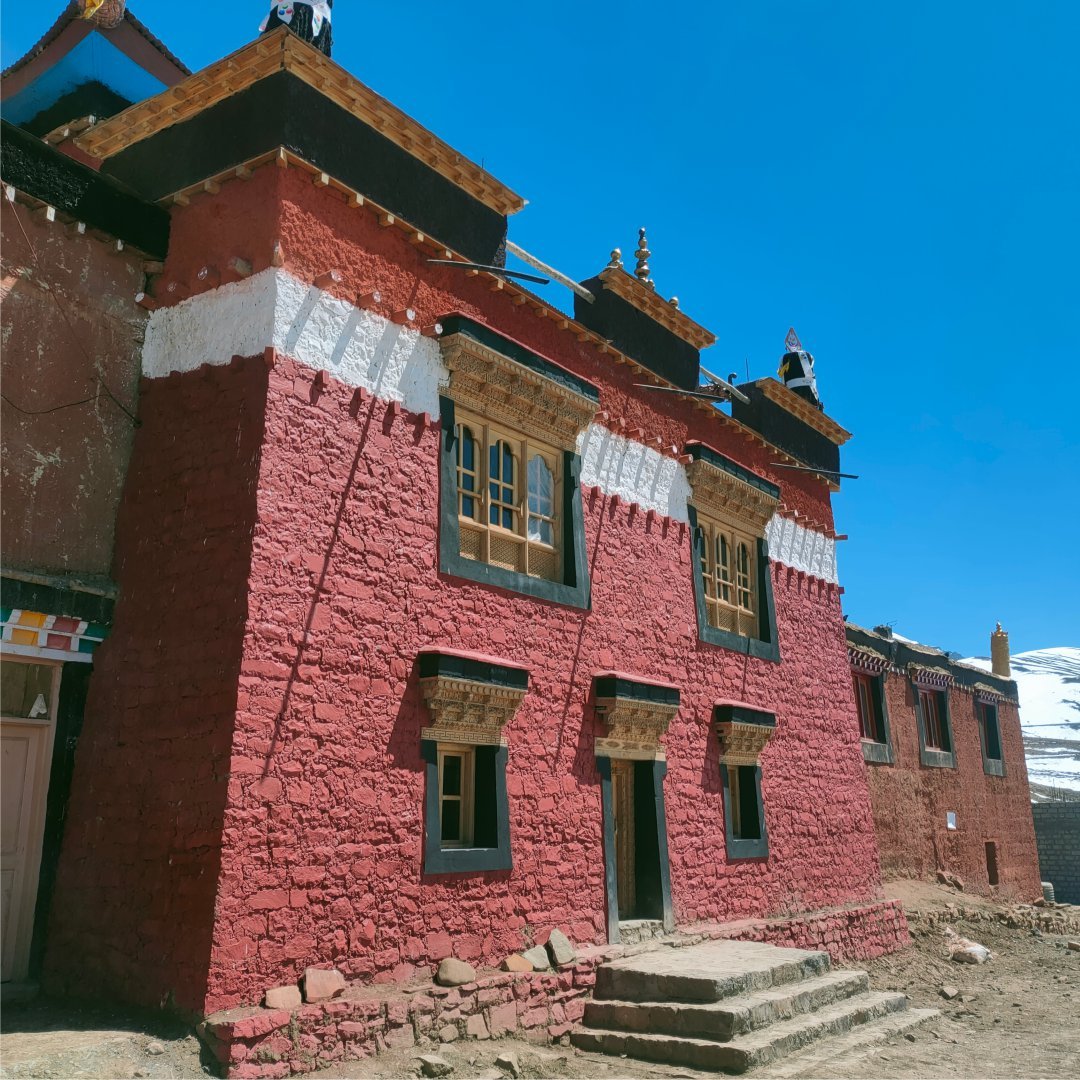
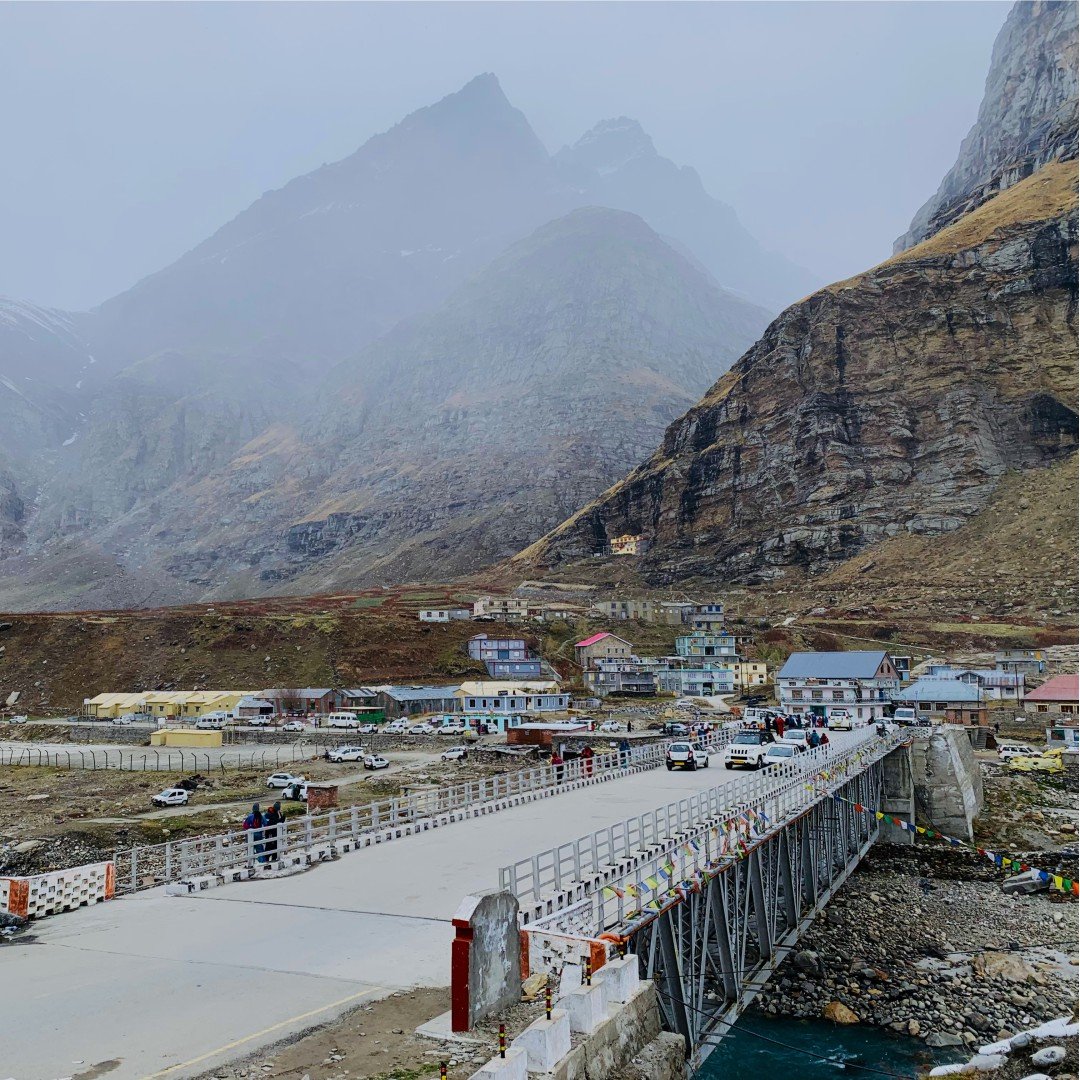
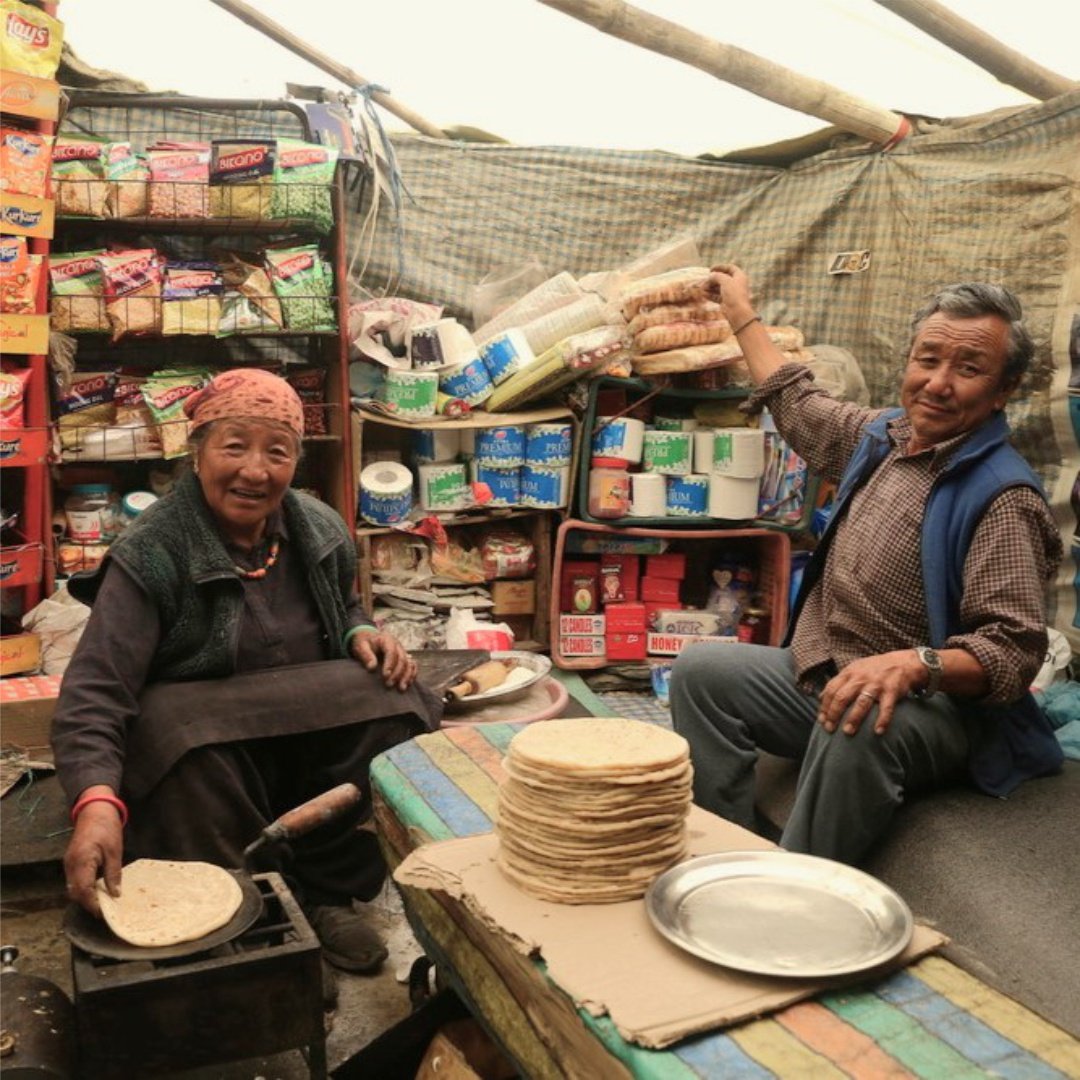
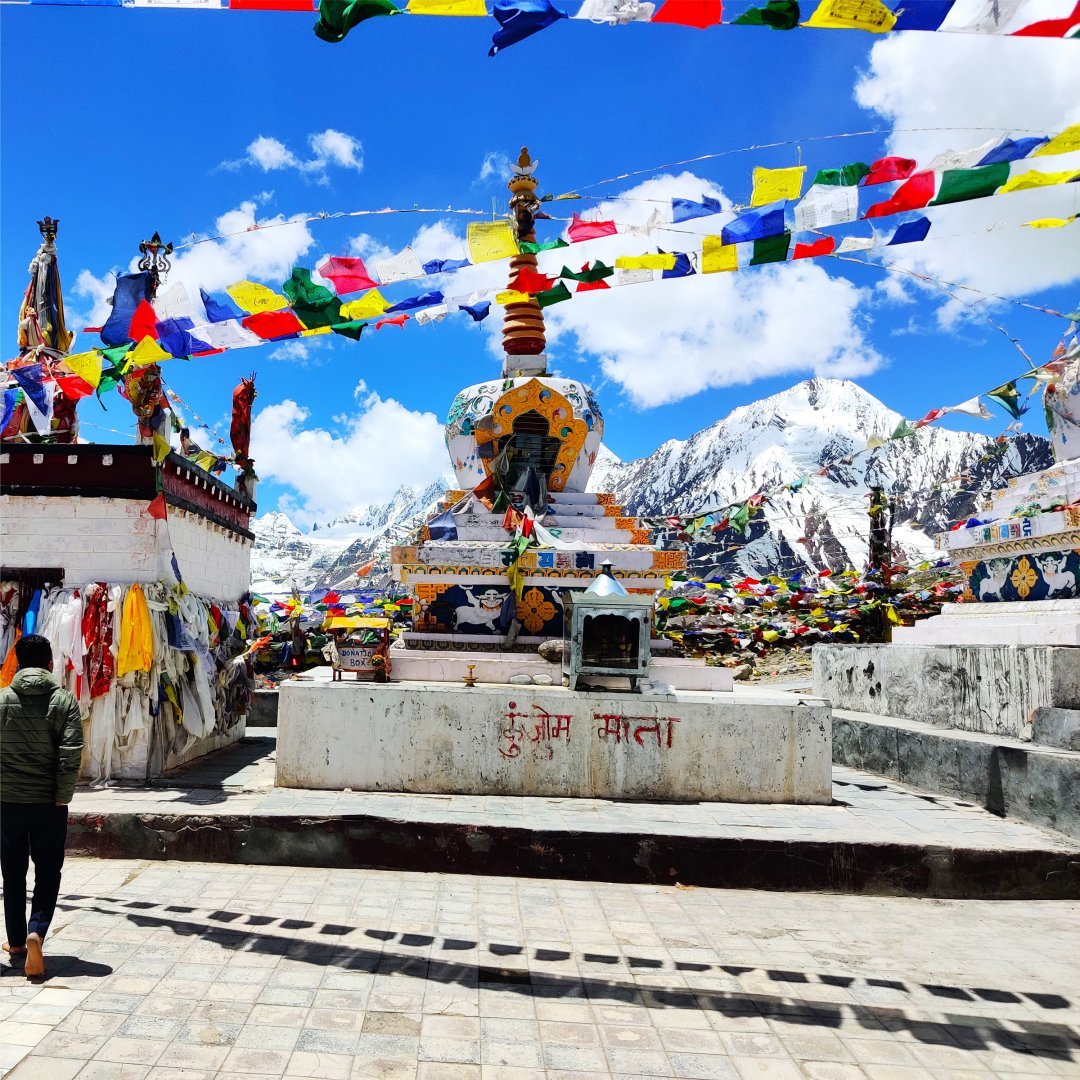
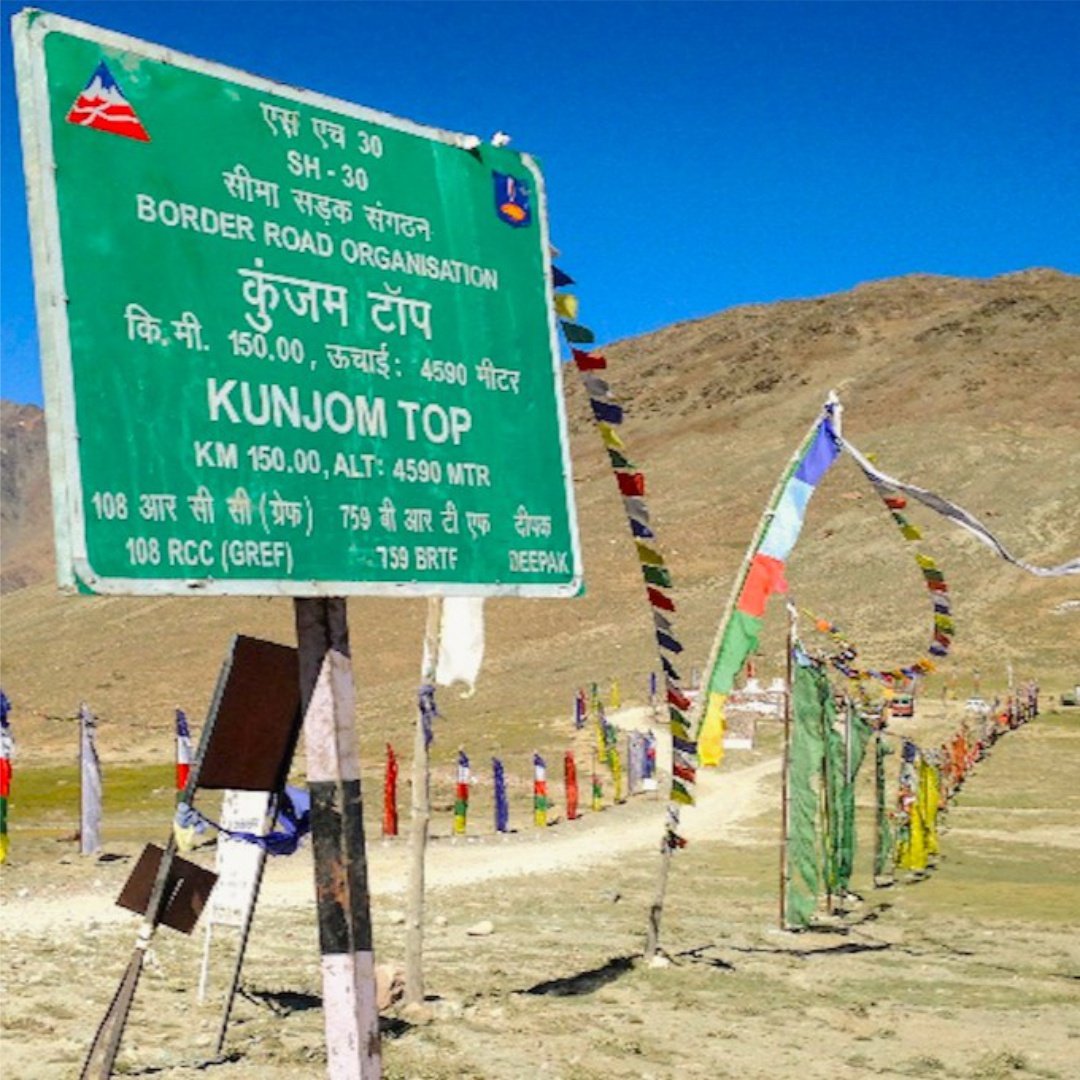
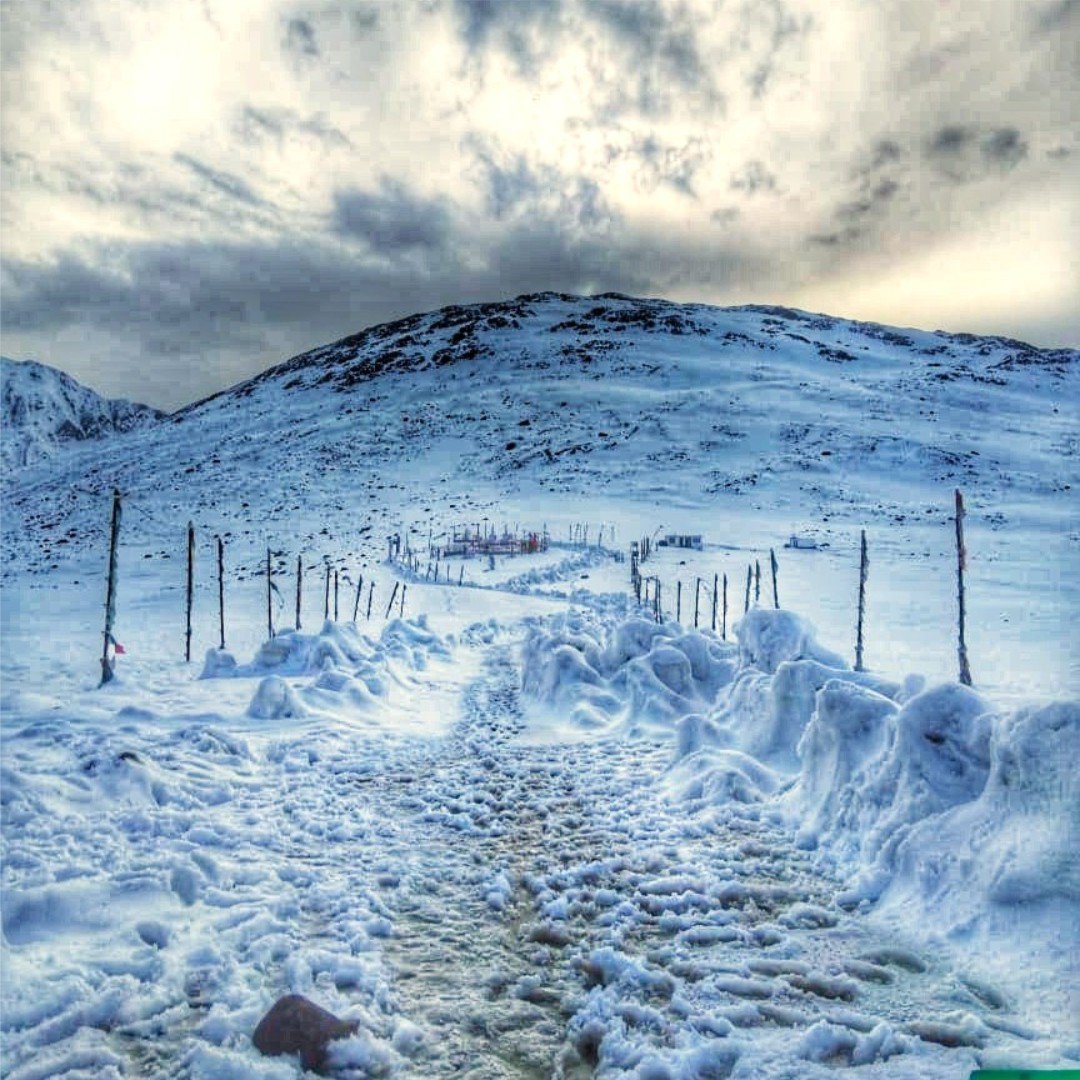
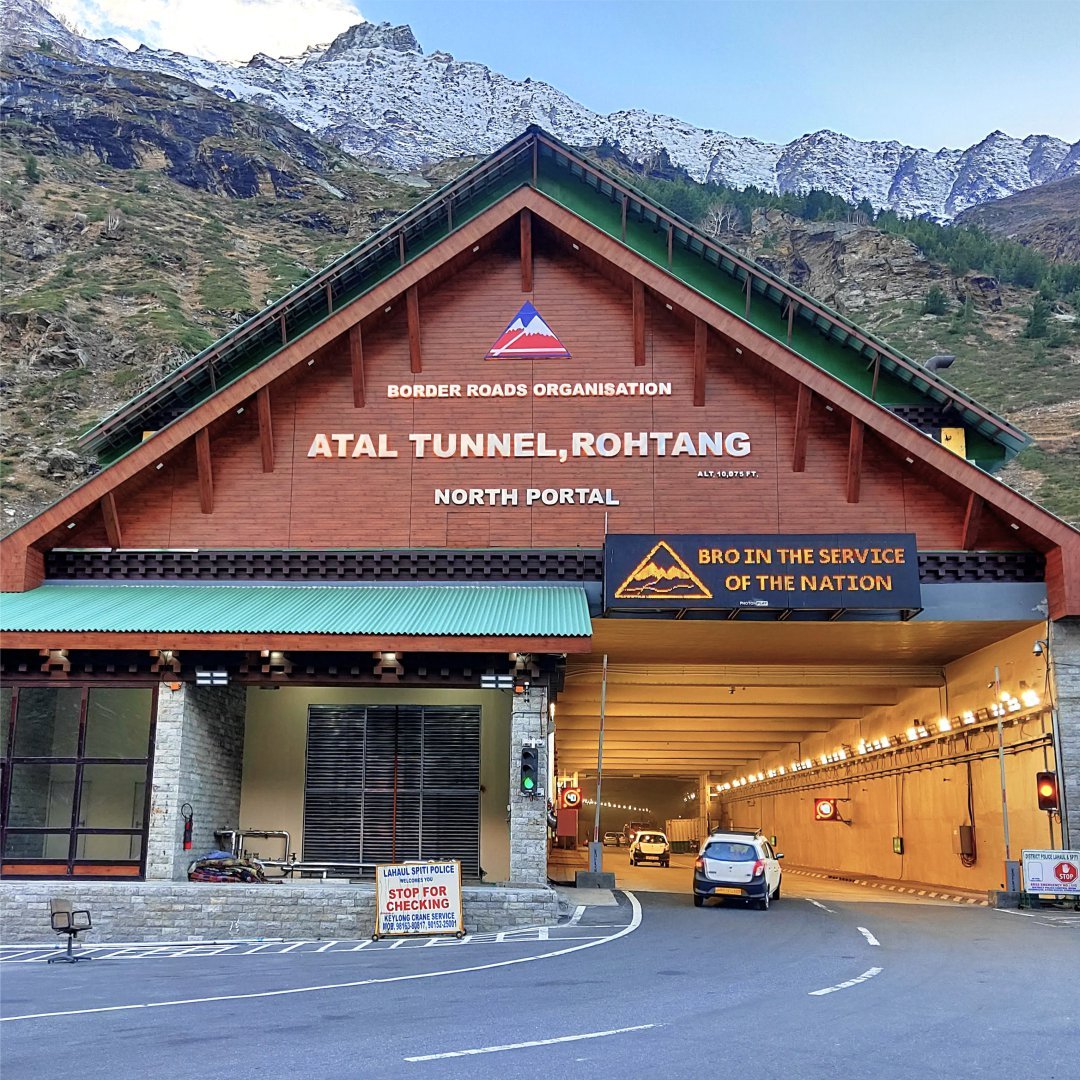
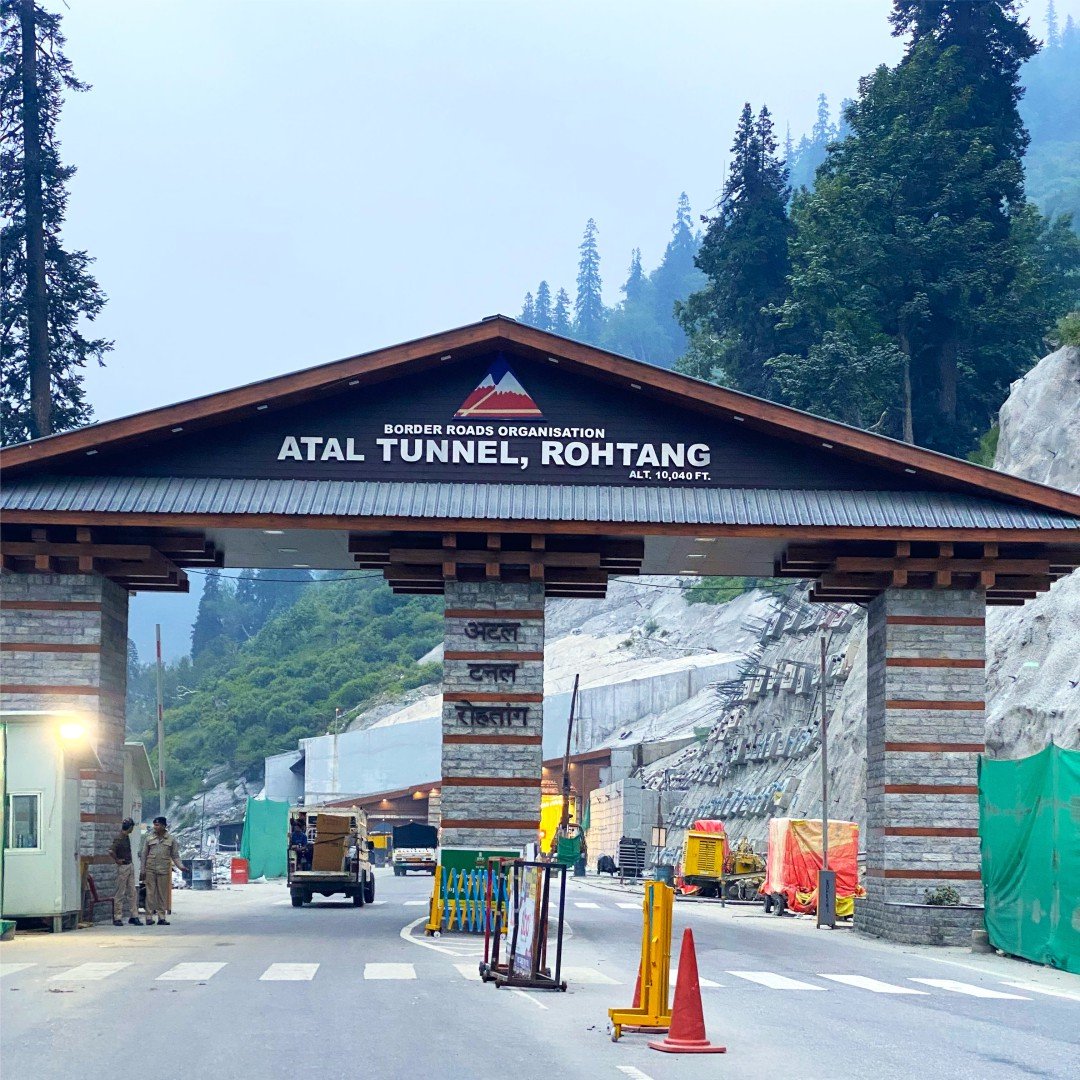
After spending some quality time at Chandra Taal, I started my drive toward Manali to finish my Spiti Valley Trip Full Circuit. I had breakfast at the famous Chacha-Chachi Dhaba in Batal. From Batal, I drove via the Atal Tunnel. If you want more adventure, you can turn toward Rohtang Pass from Gramphoo. The choice is yours. But keep in mind, the road is in bad condition everywhere. I chose the Atal Tunnel because it was faster and safer.
Once I reached Manali, I relaxed and explored the market. If you have an extra day, stay here and visit the surrounding areas.
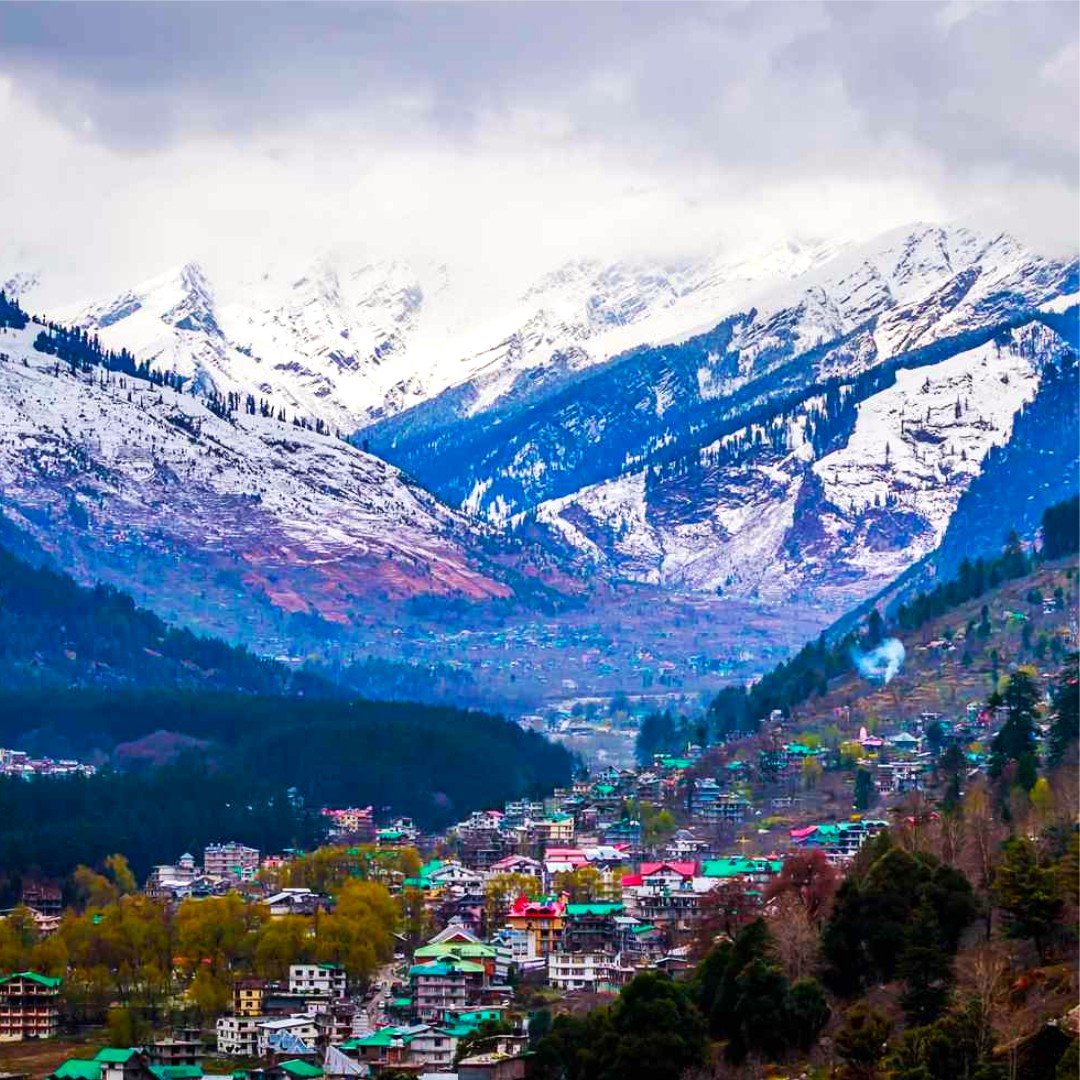
Manali is a paradise for nature lovers, honeymooners, and everyone in between. Snow-covered peaks, green gardens, and rushing rivers are everywhere. I visited Vashisth hot water springs and temple, Tibetan monasteries, Hadimba Temple, Jogani Waterfall, Manu Temple, Manali Gompa, and the Nyingmapa Buddhist Temple. I also went to Solang Valley, 13 km from Manali. It is one of the most beautiful spots near town. Solang is busy in both summer and winter. You can do quad bike rides, zorbing, paragliding, ropeway rides, rock climbing, ballooning, camping, and mountaineering.
Budget Planning for any trip or vacation is a very important part. There are three major parts of the budget, first Transportation or Fuel cost, second is Accommodation and third is Food. So let’s break them down all one by one.
The above prices are given as per my calculations, they may vary from person to person. The prices mentioned above are excluding Jimny, Accessories, Driving gear, Camera gear, etc. You can choose them as per your choice & budget.
By writing this article I have just tried to share my personal views & plans for my recent Spiti Valley Full Circuit. Apart from this, if you have any queries please feel free to contact us. In the future, stay updated if you like this article please share it with your family & friends.