Live The High Life
Real offroad expeditions, routes, and rallies.
Live The High Life
Real offroad expeditions, routes, and rallies.

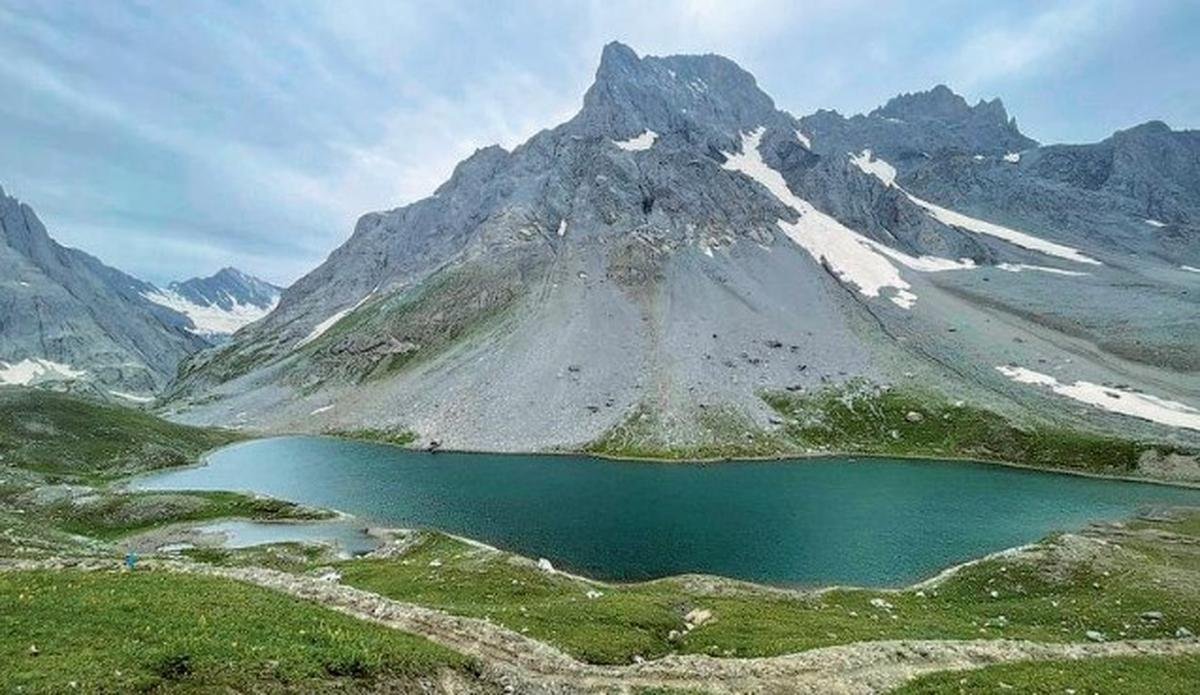
Kaobal Gali Pass is one of the most remote and least explored high-altitude routes in India, connecting the Tulail Valley in Gurez (Kashmir) to the Mushkoh Valley in Drass (Ladakh). Situated at an elevation of approximately 13,600 feet (4,160 meters), this mountain pass cuts through the Great Himalayan range and offers a rare alternative route between Kashmir and Ladakh.
Unlike popular routes such as Zoji La, Kaobal Gali remains largely untouched by mainstream tourism. The route is known for its raw terrain, minimal infrastructure, and strategic importance, making it more suitable for expedition-style travel rather than regular road trips. For those interested in offroad driving, overlanding, and high-altitude exploration, Kaobal Gali represents a true Himalayan driving experience.
The Kaobal Gali route begins from the remote Tulail Valley in the Gurez region of Kashmir and connects to Mushkoh Valley near Drass in Ladakh. The total route distance is approximately 120 to 130 kilometers, depending on the entry and exit points used.
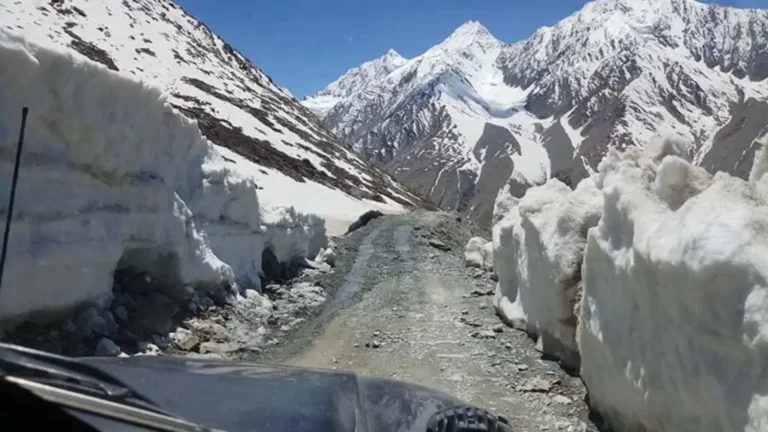
The terrain consists primarily of unpaved roads, rocky sections, and narrow mountain trails. In several stretches, the road is not clearly defined, requiring drivers to navigate based on terrain awareness rather than marked pathways. This route lies in a high-altitude zone within the Himalayas and passes through isolated regions with no permanent settlements or facilities along the way.
Read More :- Leh Zanskar Expedition 2026: Route, Dates & Details
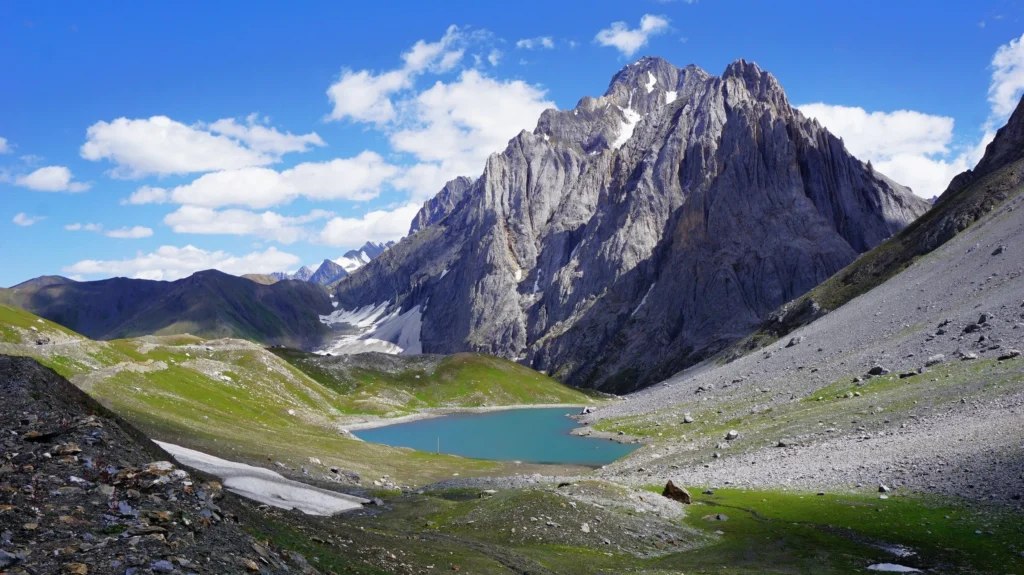
Kaobal Gali Pass holds both geographical and strategic importance. It serves as a direct connection between Kashmir and Ladakh, offering a shorter and less congested alternative compared to traditional routes.
The region is also located near sensitive border areas, which has historically limited civilian access. Due to its proximity to key military zones, the route has been used for strategic movement and remains under observation.
From a travel and expedition perspective, the pass is gaining attention as a potential overlanding route that could open new opportunities for adventure tourism in North India.

The terrain at Kaobal Gali Pass is challenging and unpredictable. The route includes rocky tracks, loose gravel, steep ascents, and sharp descents. In certain sections, drivers may encounter water crossings formed by melting snow or natural streams.
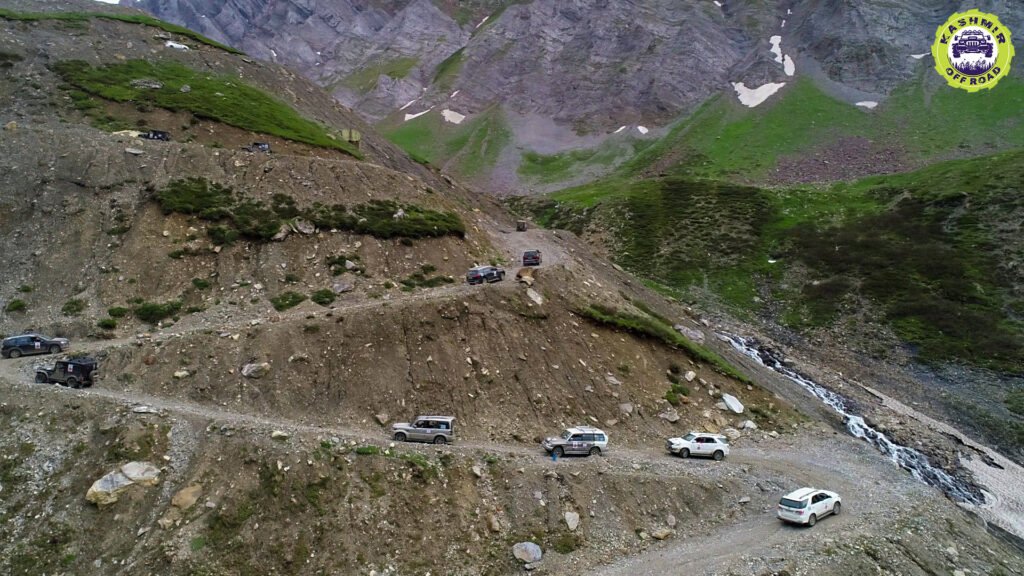
Landslides are common in this region, especially during the summer months when snow begins to melt. Weather conditions can change rapidly, impacting visibility and road stability. Since the route lacks proper construction in many areas, it should be considered a technical offroad trail rather than a conventional road.
Driving through this pass requires constant attention, experience in handling rough terrain, and the ability to adapt to changing conditions.

Kaobal Gali Pass is suitable only for well-prepared expedition vehicles. A four-wheel-drive (4×4) SUV with high ground clearance is essential for navigating the terrain. Vehicles should be equipped with all-terrain or mud-terrain tyres to handle loose and uneven surfaces.

Drivers are advised to carry essential recovery gear such as tow ropes, traction boards, and a shovel. Additional fuel is necessary, as there are no fuel stations along the route. Spare tyres and basic repair tools should also be included in the preparation.
This route is not recommended for small cars, low-clearance vehicles, or inexperienced drivers. Traveling in a convoy is strongly advised for safety reasons.
Due to its location near sensitive border areas, access to Kaobal Gali Pass is regulated. Travelers are required to obtain special permits from local authorities, and entry conditions may vary depending on the security situation.
In many cases, permissions are issued only for specific sections of the route, and full access may not always be available to civilians. It is important to verify the latest regulations with local administration or checkpoints before planning the journey.
Travelers should be prepared for possible restrictions or changes in access at short notice.
The ideal time to travel to Kaobal Gali Pass is between June and September, when the snow has cleared and the route becomes partially accessible. July and August are generally considered the most stable months in terms of weather and road conditions.
Outside this window, heavy snowfall blocks the route, making it inaccessible. Even during the open season, weather conditions can shift quickly, so travelers should plan with flexibility and caution.
Traveling through Kaobal Gali Pass involves multiple risks associated with high-altitude environments and remote terrain. One of the primary concerns is altitude sickness, as the route exceeds 13,000 feet. Proper acclimatization is necessary before attempting the journey.
The region has no mobile network coverage, fuel stations, or mechanical support, which increases the importance of preparation and self-sufficiency. Weather changes, landslides, and route uncertainty add to the overall challenge.
Emergency response in this area is limited, so travelers must rely on their own planning and equipment.

One of the most unique aspects of Kaobal Gali Pass is the dramatic transition in landscape. The journey begins in the lush green valleys of Gurez, characterized by flowing rivers and dense mountain scenery. As the route progresses, the terrain becomes increasingly rugged and barren, eventually merging into the cold desert environment of Drass.

This shift in geography within a single route offers a rare visual and experiential contrast. The absence of crowds and commercial activity enhances the sense of isolation, making the journey feel more like an expedition than a typical road trip.
There is growing interest in developing Kaobal Gali Pass as an alternative route for tourism and regional connectivity. If properly managed, it could become an important corridor for overlanding and adventure travel between Kashmir and Ladakh.
However, due to its ecological sensitivity and strategic location, any development must be balanced with environmental and security considerations. For now, the route remains largely untouched, preserving its raw and challenging nature.
Kaobal Gali Pass stands as one of India’s most challenging and unexplored high-altitude routes. It is not designed for casual travel but for those who seek real driving experiences in extreme conditions.
For overlanders, offroad enthusiasts, and expedition travelers, this route offers a rare opportunity to explore untouched Himalayan terrain while testing both vehicle capability and personal endurance.
As part of the High Dairies approach, Kaobal Gali represents the essence of real-world exploration—where preparation, skill, and experience define the journey.