Live The High Life
Real offroad expeditions, routes, and rallies.
Live The High Life
Real offroad expeditions, routes, and rallies.

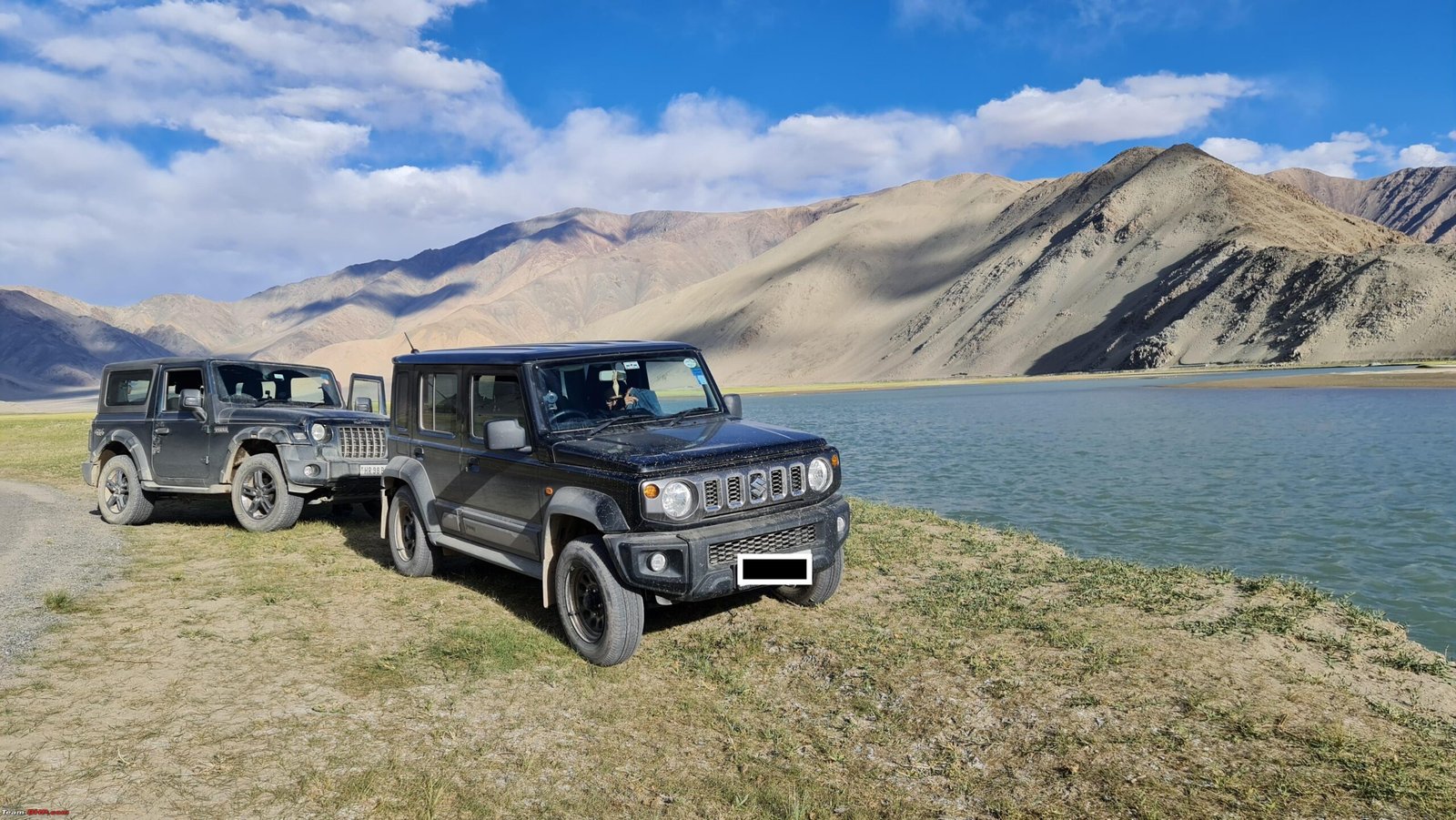
A Ladakh expedition via Srinagar is one of the most practical and stable ways to reach high altitude in the Himalayas. Unlike the Manali route, this side allows gradual elevation gain, which helps your body adjust better to low oxygen conditions.
The route begins from Chandigarh, passes through Jammu and Kashmir, enters Ladakh via Kargil, and then continues toward Leh, Nubra Valley, Pangong Lake, and exits from Manali.
This is not a short road trip. It is a multi-day drive across changing terrain—highways, mountain roads, broken patches, and remote stretches with limited facilities. Proper planning of fuel, stay, and timing is necessary to complete this route without issues.
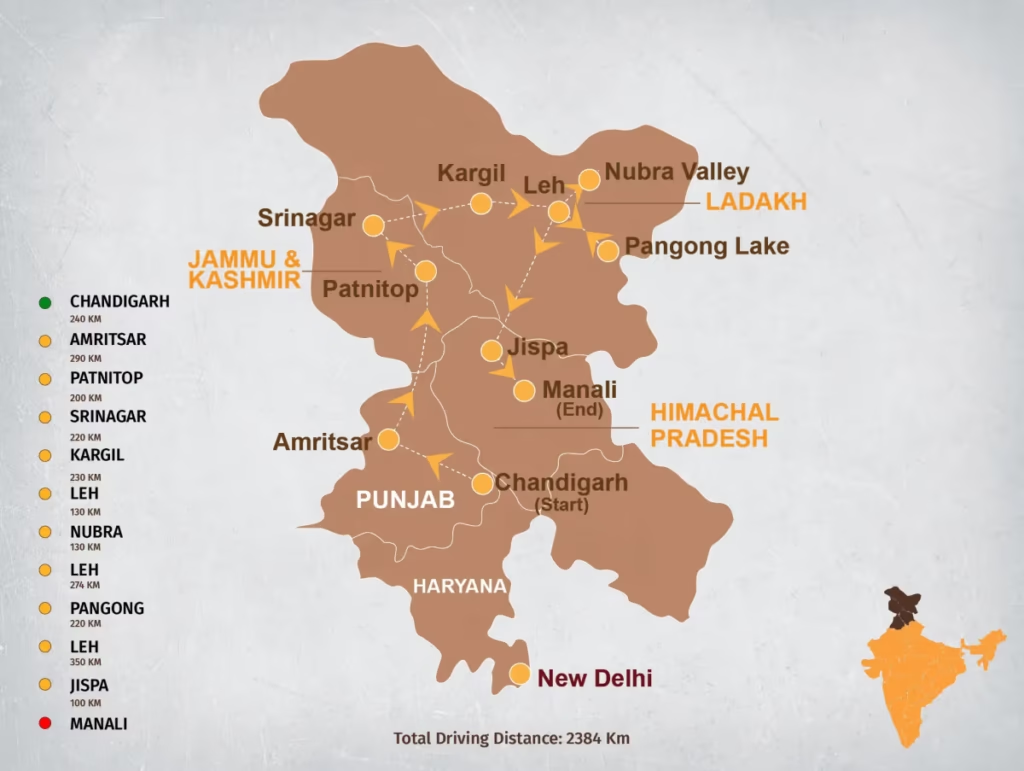
Chandigarh → Jammu → Srinagar → Kargil → Leh → Nubra → Pangong → Jispa → Manali → Chandigarh
The journey starts from Chandigarh with a long highway drive toward Jammu. The initial stretch passes through Punjab and remains smooth for most of the route. Traffic density depends on time of departure, so starting early in the morning helps avoid congestion near major towns.
The drive is straightforward, but continuous hours behind the wheel can be tiring. Even though the road conditions are good, this day should not be extended unnecessarily.
Jammu serves as a practical halt before entering mountainous terrain. Stopping here allows proper rest before the next phase of the journey.
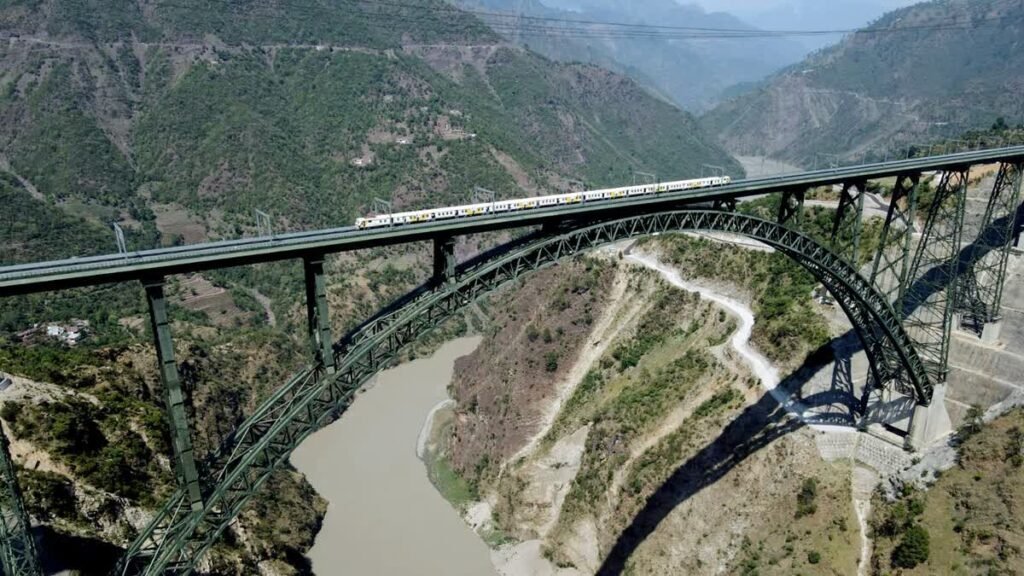
This stretch marks the transition from plains to mountains. Roads begin to narrow, and traffic conditions become less predictable. Sections near Patnitop offer scenic views, but driving remains slow due to turns and mixed traffic.
The route includes tunnels, mountain cut roads, and occasional delays due to roadwork or landslides. Time management becomes important here. Srinagar is a major city with all facilities available, making it an ideal stop before entering more challenging terrain.
Read More:- Leh Zanskar Expedition 2026: Route, Cost, Dates & What Nobody Tells You
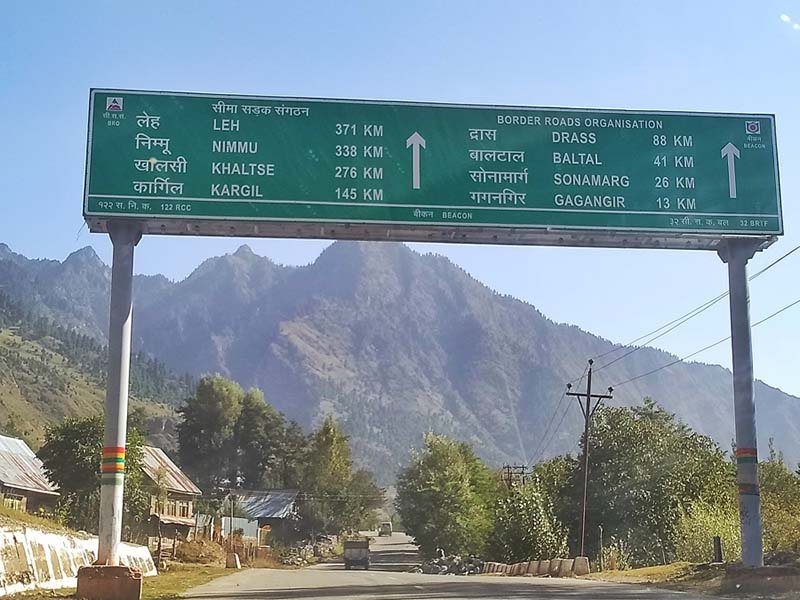
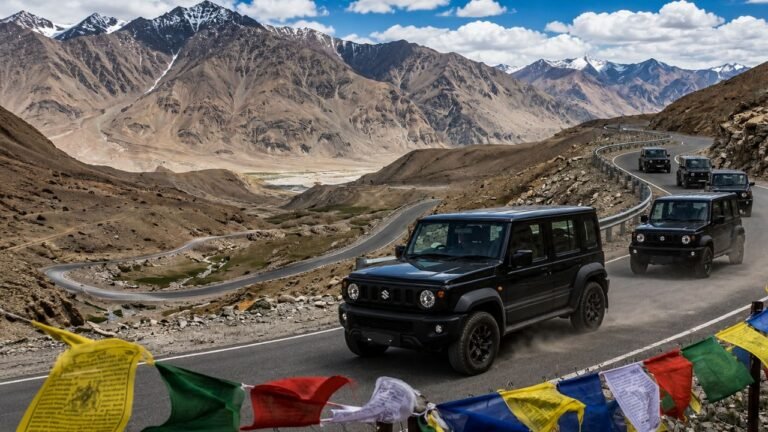
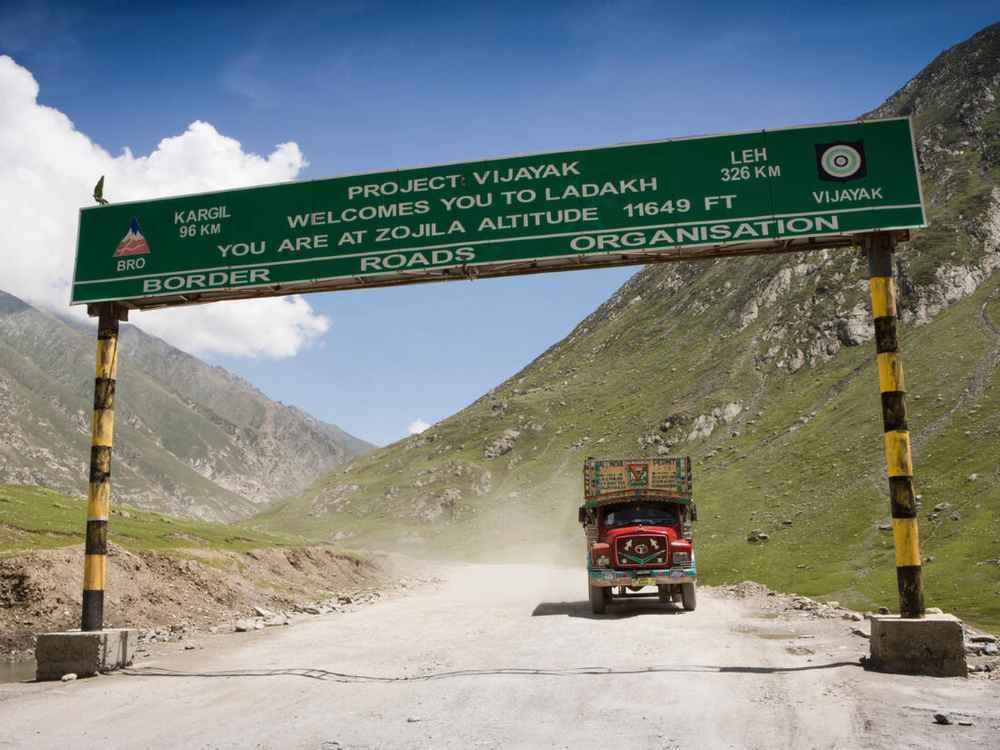
This is one of the most critical driving days of the entire route due to the Zoji La Pass. The road conditions at Zoji La vary significantly. Expect narrow sections, muddy patches, uneven surfaces, and heavy vehicle movement. Traffic congestion is common, especially during peak travel months.
Driving requires full attention and controlled speed. Overtaking is limited, and patience is essential. After crossing Zoji La Pass, the terrain changes noticeably. Vegetation reduces, and the landscape becomes dry and rugged. Kargil is a suitable overnight stop after this stretch.
Read More:- Kaobal Gali Pass: The Hidden Ladakh Route That Can Destroy Your SUV
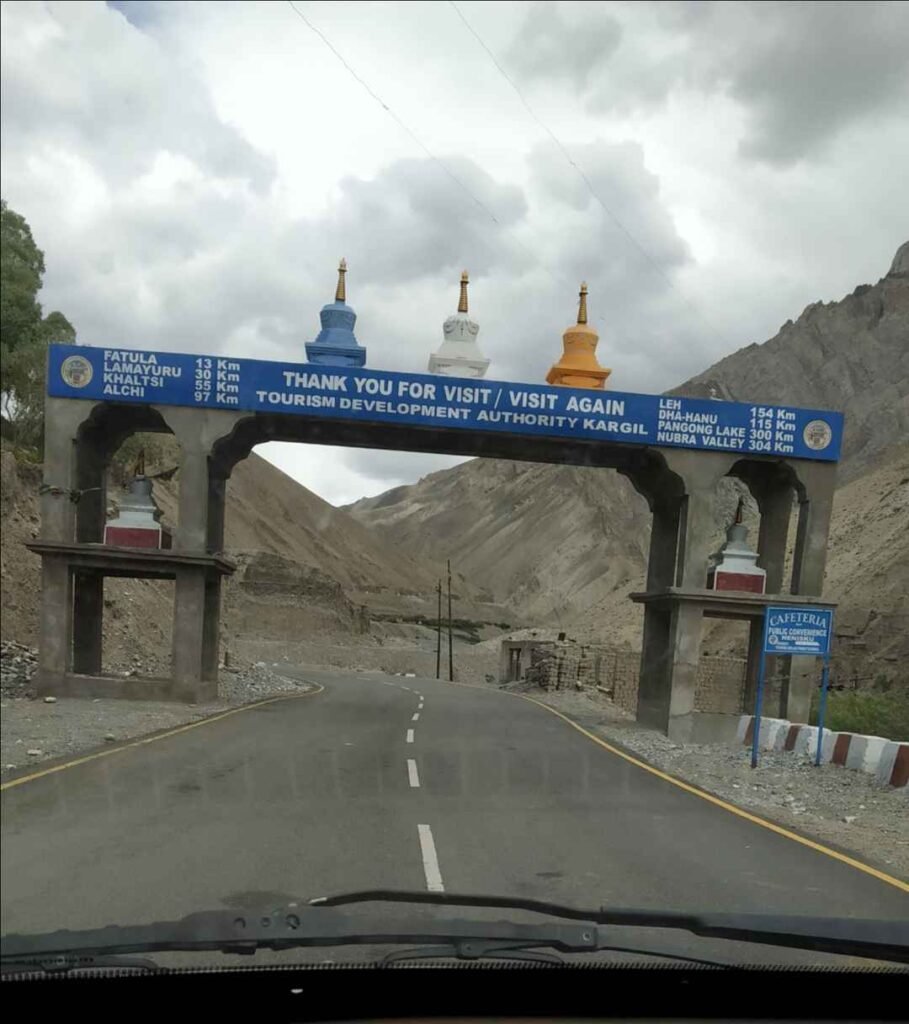
The route from Kargil to Leh is comparatively stable and offers a smoother driving experience. Roads are better maintained, and traffic is lighter.
This stretch includes monasteries, open valleys, and high-altitude terrain. Although the drive feels easier, altitude gain continues, and physical exertion should be limited. Leh is the main hub of Ladakh with complete facilities.
Read More:- India’s Wildest Offroad Rallies You Can Actually Join
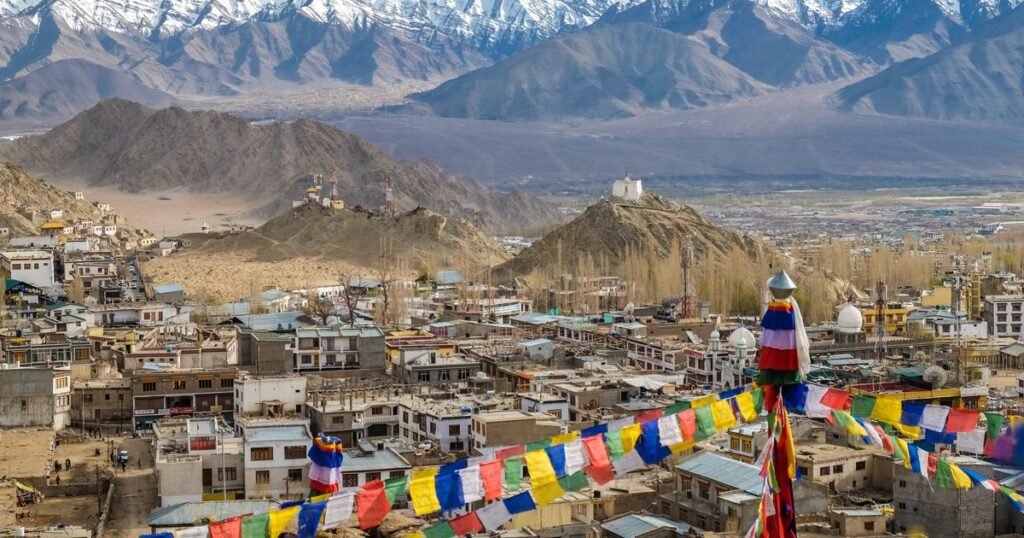
This day is essential for adjusting to high altitude conditions. Even if no visible symptoms are present, the body requires time to adapt.
Activities should be limited to light movement within Leh town. Avoid long drives or physical strain.
This is also a good time to check vehicle condition and prepare for remote travel.
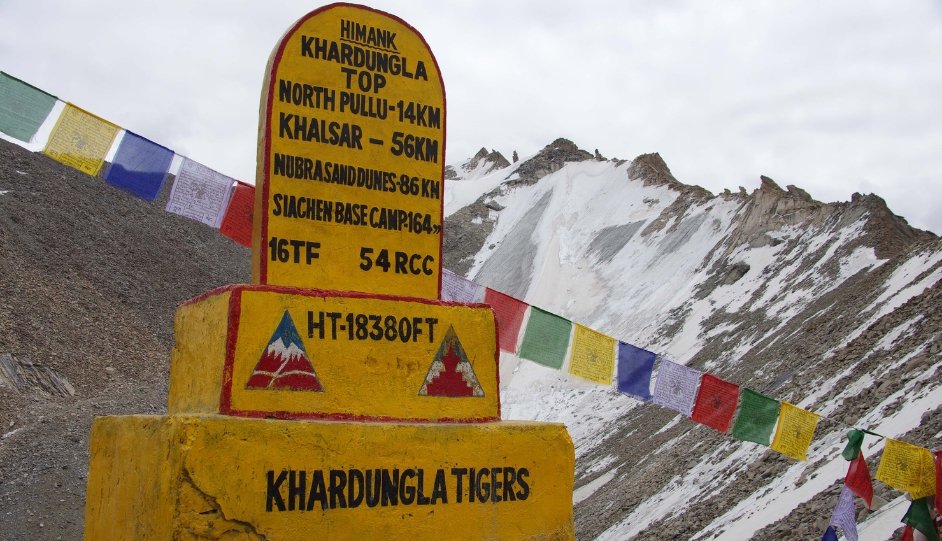
The route to Nubra Valley passes through Khardung La. Roads are mostly paved but can have rough patches near the pass.
Driving conditions include steep climbs, sharp turns, and reduced oxygen levels. Speed should be controlled, and unnecessary stops at high altitude should be avoided. Nubra Valley has a different landscape compared to Leh, with wider valleys and sand dunes.
Read More:- Best Offroad Routes in India That Will Test Your Machine & Mind
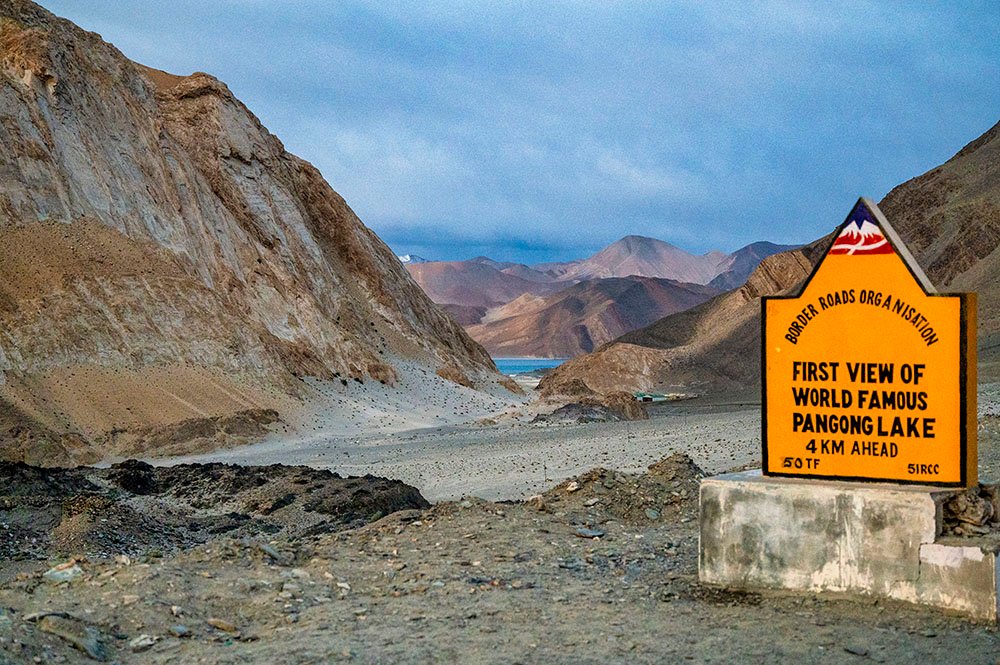
This is a remote route with mixed road conditions. Some sections are smooth, while others are broken or unpaved. Connectivity is minimal, and assistance is limited. Travel should be completed during daylight hours. Pangong Lake area has basic accommodation facilities.
Read More:- Kutch to Kibithoo Drive: India’s Longest & Wildest Cross-Country Route
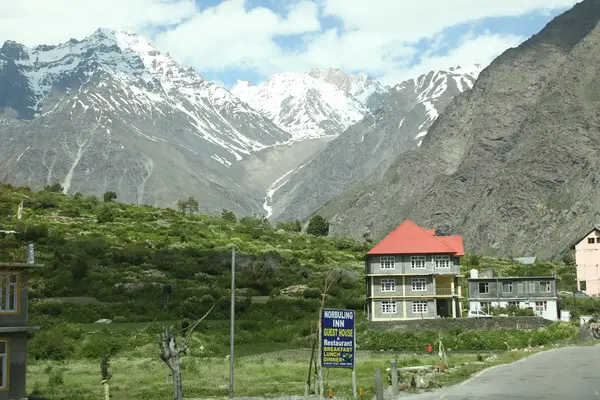
This is one of the longest and most demanding stretches of the route. Road conditions include water crossings, broken sections, and long isolated areas.
Early departure is necessary to cover distance safely. Weather conditions and road accessibility can affect travel time.
Jispa is generally preferred over Sarchu for overnight stay due to better comfort.
Read More:- Spiti Valley Full Circuit: The Complete Route & Travel Plan
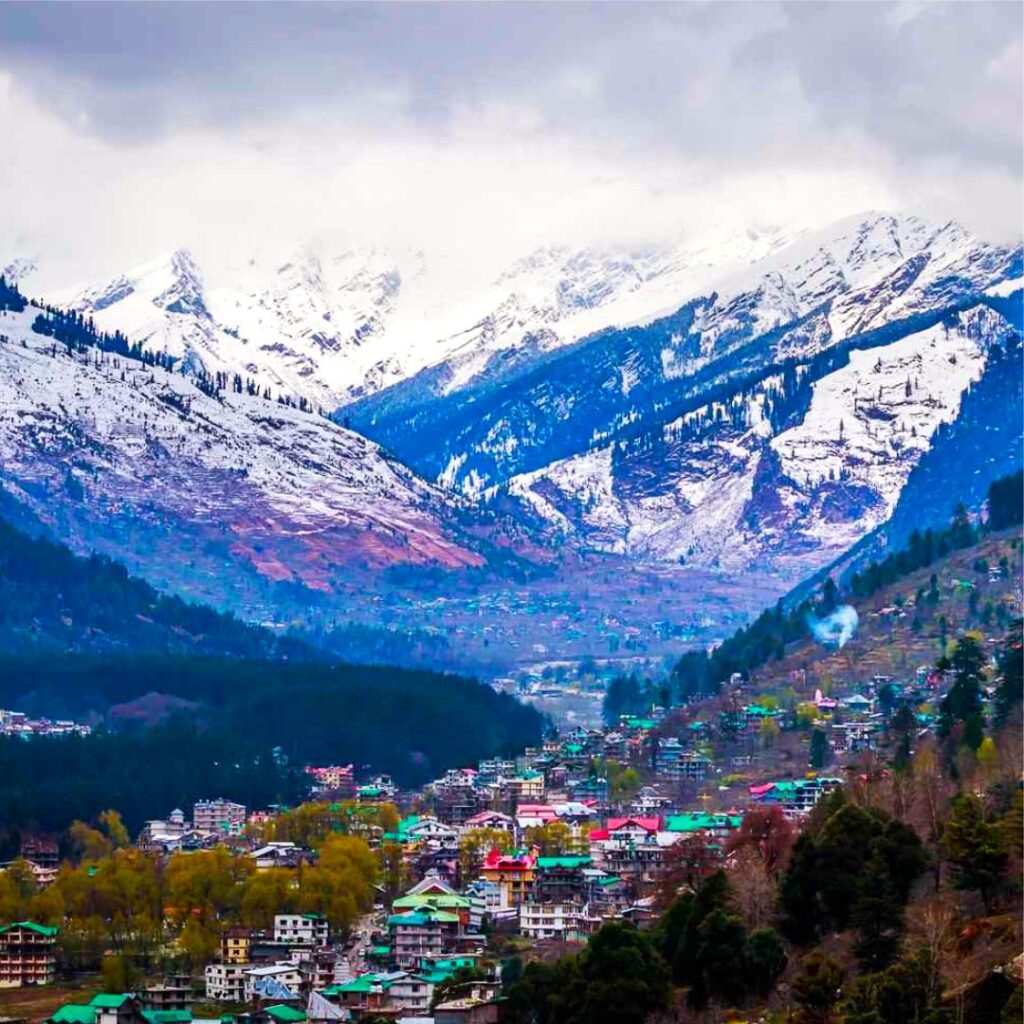
The final leg includes crossing high passes and descending toward Manali. Road conditions improve as you approach Manali, but fatigue from previous days should be considered.
After reaching Manali, the drive toward Chandigarh continues via highway. Breaks should be taken as needed, and driving should remain controlled.
Always refuel at Leh before entering remote sections
For Nubra, Pangong, and other restricted areas, you need an Inner Line Permit (ILP). You can apply online through Ladakh Administration here: or get it from Leh DC office. Carry printouts for checkpoints. Foreign nationals need a PAP via travel agents.
The Srinagar route offers a structured and manageable way to enter Ladakh from Chandigarh. It provides a balance of gradual altitude gain, accessible facilities, and controlled driving conditions in the initial stages.
Beyond Leh, the terrain becomes remote and demanding. Proper planning of fuel, stay, and timing ensures that the journey remains smooth and manageable.
This route is suitable for both first-time and experienced drivers, provided the travel is planned with realistic expectations and proper preparation.